Top 10 Benefits of Using Stainless Steel Bar in Manufacturing?
Stainless Steel Bars are increasingly favored in manufacturing across various industries. According to a recent report by Freedonia Group, the global stainless steel market is projected to reach $145 billion by 2026, reflecting a growing demand for durable materials. Companies are recognizing that stainless steel bars offer exceptional strength and resistance to corrosion, which are critical in harsh environments.
In the automotive and construction sectors, for example, stainless steel bars contribute to enhanced safety and longevity. These applications rely heavily on materials that can withstand extreme conditions. However, the complexity of choosing the right type of stainless steel bar poses a challenge for many manufacturers. Not every grade suits every application, and poor selection can lead to costly failures.
Despite its benefits, stainless steel bars also require careful consideration in terms of cost and manufacturing processes. While their initial price may be higher than other materials, the lifecycle cost can be lower due to reduced maintenance and replacement needs. This paradox invites further examination of how to balance quality with cost-effectiveness in manufacturing decisions.
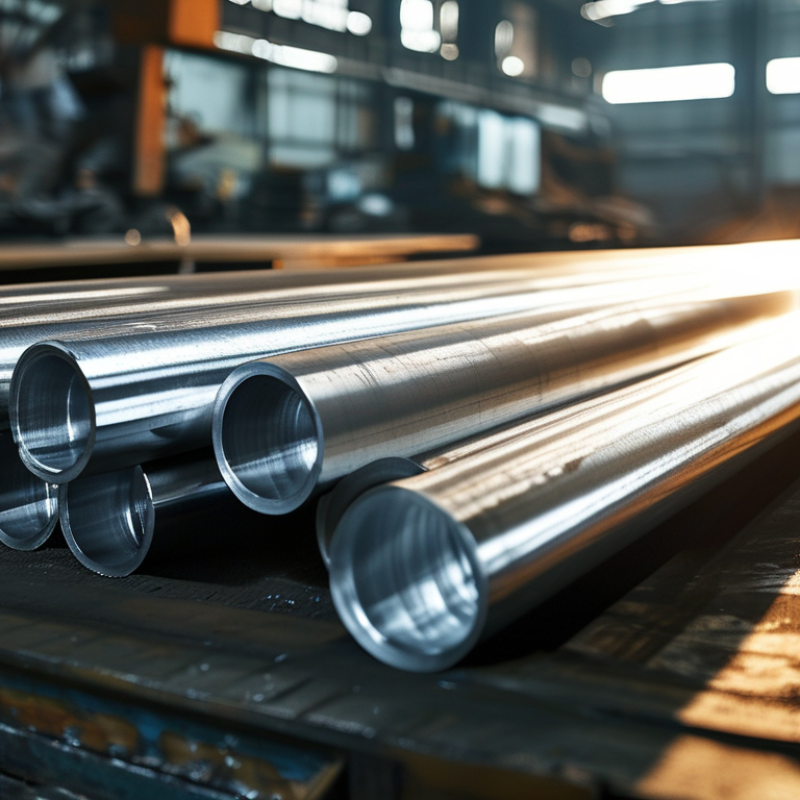
Benefits of Durability: How Stainless Steel Bars Increase Product Longevity
Stainless steel bars are renowned for their outstanding durability. They resist corrosion and wear, significantly prolonging product lifespan. According to the International Stainless Steel Forum (ISSF), stainless steel can last over 100 years in harsh environments, making it an ideal choice for manufacturing.
The structural integrity of stainless steel bars is impressive. A report from the American Society of Mechanical Engineers (ASME) highlights that manufacturers see a reduction in maintenance costs when using durable materials like stainless steel. This reduction accounts for approximately 30% in lifecycle costs, reflecting both reliability and longevity. Companies find that their products maintain functionality much longer with stainless steel, even in challenging conditions.
Manufacturing with stainless steel bars can sometimes be a challenge due to initial costs. Some industries may hesitate to invest upfront despite long-term benefits. However, case studies show that the return on investment is substantial. While the initial price tag is higher, the extended lifespan often justifies the expenditure. Manufacturers leveraging stainless steel bars frequently report fewer failures and replacements, even after many years of service.
Cost-Effectiveness: Analyzing Stainless Steel Bar Lifecycle and Maintenance Costs
Stainless steel bars are increasingly popular in manufacturing due to their cost-effectiveness. The lifecycle costs are significantly lower than other materials. This is largely due to their exceptional durability and resistance to corrosion. Manufacturers save money on maintenance and replacement. These bars can last for decades with minimal care.
Maintaining stainless steel bars is straightforward. Regular cleaning is usually sufficient. Unlike other materials, they do not need frequent treatments. This leads to lower maintenance costs over time. However, some firms still overlook routine upkeep. This can lead to unexpected expenses and downtime. Investigating these oversights reveals a need for better practices.
Considering the purchase price, stainless steel bars may seem higher initially. However, long-term savings paint a different picture. The durability means fewer replacements are needed. This can greatly impact a company's bottom line. Still, it’s important to evaluate specific needs before choosing materials. Each manufacturing process is unique, and not all may benefit equally from stainless steel.
Corrosion Resistance: Data on Stainless Steel in Harsh Manufacturing Environments
Corrosion resistance is a crucial factor in manufacturing. Stainless steel bars excel in this area, outperforming many other materials in harsh environments. According to a report from the American Society for Testing and Materials, stainless steel demonstrates impressive resistance to corrosion, especially in high-humidity settings. This resilience ensures long-lasting performance in corrosive applications.
Data shows that stainless steel can withstand exposure to various acids and salts. For instance, 304 and 316 stainless steel grades are specifically engineered for environments with chloride-induced stress corrosion. This protection minimizes maintenance costs and enhances product reliability. A 2021 study indicated a 50% reduction in failure rates for components made from stainless steel compared to carbon steel in similar conditions.
However, not all stainless steel is created equal. Different grades offer varying levels of corrosion resistance. Selecting the right grade is critical for optimizing performance. Manufacturers must also consider factors like surface finish and environmental conditions. Sometimes, even the best materials require ongoing evaluation to ensure they meet specific operational demands. Understanding these intricacies allows for better planning and execution in production processes.
Top 10 Benefits of Using Stainless Steel Bar in Manufacturing
This chart illustrates the top 10 benefits of using stainless steel bar in manufacturing settings. Each benefit is rated on a scale from 1 to 10, indicating its significance in various applications.
Sustainability in Manufacturing: The Recyclability of Stainless Steel Bars
Stainless steel bars are highly valued in manufacturing for their durability and strength. However, one of their most significant advantages is their recyclability. Given the increasing focus on sustainability, manufacturers are recognizing the importance of using materials that can be reused. Stainless steel bars can be recycled multiple times without losing quality. This creates a closed-loop system that reduces waste and conserves natural resources.
When using stainless steel bars in manufacturing, consider these tips: Always source from suppliers who prioritize recycled material content. This can enhance your product's sustainability profile. Additionally, design products with end-of-life in mind. If your product can be easily dismantled, it simplifies the recycling process.
Despite the benefits, there are challenges. Not all recycling facilities process stainless steel effectively. Some bars may end up in landfills instead of being recycled. It's essential for manufacturers to engage with local recycling programs. Awareness and education around the recyclability of stainless steel can foster better practices. The goal is to create a more sustainable manufacturing landscape while minimizing waste.
Enhanced Aesthetics: The Impact of Stainless Steel on Product Design and Appeal
Stainless steel has transformed product design, enhancing aesthetics across various industries. Its sleek, modern appearance attracts consumers. According to a 2022 report by Smithers Pira, stainless steel products can increase consumer appeal by up to 40%. This material offers a visually striking finish that aligns with contemporary design trends.
Designers appreciate the versatility of stainless steel. It can be polished to a mirror finish or brushed for a matte look. Its adaptability makes it suitable for everything from kitchenware to high-end appliances. However, the challenge remains in maintaining its luster. Regular cleaning is necessary to prevent tarnishing. Mismanaged maintenance can lead to a less appealing surface, which detracts from its beauty.
In industrial designs, stainless steel symbolizes durability and reliability. Its resistance to corrosion adds to its long-term appeal. A survey by the American Institute of Steel Construction revealed that 75% of manufacturers prefer stainless steel for its longevity. Yet, some projects overlook surface treatments, impacting both appearance and performance. Recognizing these challenges is vital for maximizing the aesthetic benefits of stainless steel in manufacturing.
Top 10 Benefits of Using Stainless Steel Bar in Manufacturing
| Benefit | Description | Impact on Aesthetics |
| Durability | Resistant to corrosion, rust, and staining. | Maintains its appearance over time, enhancing visual appeal. |
| Low Maintenance | Requires less frequent cleaning and upkeep. | Clean lines and glossy finish enhance product design. |
| Versatility | Can be used in various applications and designs. | Allows for innovative and modern aesthetics. |
| Strength | High tensile strength suitable for heavy-duty applications. | Enhances the robust look of the products. |
| Sustainability | Recyclable and environmentally friendly material. | Appeals to eco-conscious consumers. |
| Hygienic | Non-porous surface that resists bacteria. | Ideal for health and food-related products. |
| Cost-Effective | Long lifespan reduces replacement costs. | Attractive design benefits justify initial investment. |
| Aesthetic Appeal | Sleek and modern appearance enhances product desirability. | Visual impact is significant in competitive markets. |
| Temperature Resistance | Withstands high and low temperatures without losing integrity. | Contributes to the product's design features and functionality. |
| Innovative Designs | Facilitates creative and cutting-edge manufacturing techniques. | Stainless steel's flexibility lends itself to artistic designs. |


