Best Casement Window Profiles for Global Buyers?
In today’s global market, choosing the right Casement Window Profiles is crucial for homeowners and developers alike. These profiles not only enhance the aesthetic appeal of a building but also improve energy efficiency. It is essential to understand the various materials, designs, and technologies available. This knowledge allows buyers to make informed decisions.
Casement windows offer versatility and open outward, providing outstanding ventilation. They are popular in various architectural styles, from traditional to modern. However, not all profiles meet the highest standards of durability and performance. Therefore, it can be challenging to find reliable options.
Buyers should consider factors such as insulation, durability, and maintenance. Researching manufacturers and reading reviews are important steps. Some profiles may look appealing but lack performance. Striking the right balance between style and functionality is key to satisfaction in the long run.
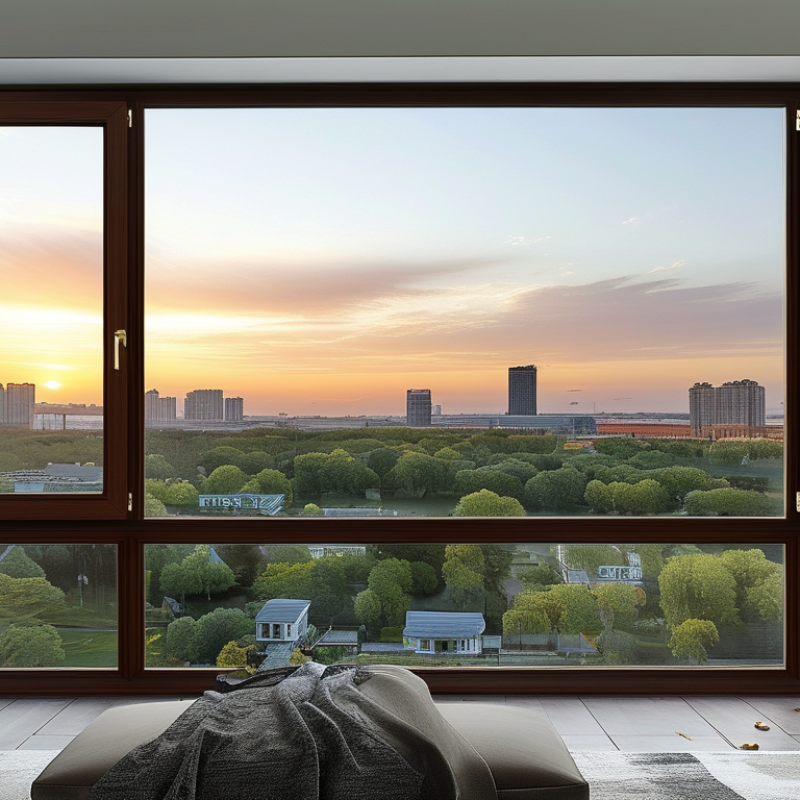
Best Casement Window Profiles: An Overview of Materials and Types
Casement windows are popular worldwide due to their versatility and design. They are hinged on one side, allowing them to open outward. This design facilitates excellent ventilation and unobstructed views. Various materials enhance their appeal, including wood, vinyl, and aluminum.
Wooden casement windows offer a classic look. They can be customized with different stains and finishes. However, they require regular maintenance to prevent rot and damage from the elements.
Vinyl windows are a low-maintenance option, providing energy efficiency and durability. They come in several colors but lack the natural beauty of wood. Aluminum frames are sturdy and resistant to corrosion, but they can conduct heat, impacting energy efficiency.
Different types exist based on opening mechanisms. Traditional crank-operated windows are easy to use. Push-out styles provide a sleek, modern look. However, this mechanism can be more challenging to seal. Ultimately, choosing the right profile depends on a buyers' aesthetic preference and functional needs. It's essential to consider each option's pros and cons before making a decision.
Key Features to Consider for Casement Window Profiles
When selecting casement window profiles, several key features stand out. Durability is crucial, especially for varying climates. According to industry studies, windows face significant wear over time. High-quality materials resist warping and corrosion. Vinyl and aluminum profiles are popular choices, but some buyers overlook proper insulation. This oversight can lead to energy inefficiencies.
Another important aspect is the ease of operation. Casement windows are known for their ability to open outward, providing excellent ventilation. Research indicates that properly designed hinges enhance functionality. However, some profiles may have design flaws that make them difficult to operate. Buyers should evaluate handle placement and ease of cleaning.
Aesthetics should also be considered. Different profiles offer various styles, from modern to traditional. Customization options can meet unique architectural requirements. Yet, not all manufacturers provide adequate design support. This can limit choices for homeowners and builders. Exploring options before purchase is essential for satisfying results.
Top Global Manufacturers and Their Market Share in Casement Windows
When assessing the global market for casement windows, understanding the key manufacturers is crucial. Many companies focus on energy-efficient designs. They cater to both residential and commercial sectors. These manufacturers utilize various materials, like vinyl, aluminum, and wood. Each material offers unique benefits and aesthetics. Homeowners may prefer energy-efficient options to reduce energy costs. Commercial buildings might prioritize durability and low maintenance. The choice of profile can significantly impact market preferences.
Market share reveals insight into company performance. Leading manufacturers dominate, but smaller players emerge with innovative products. Each company's approach varies, affecting design, pricing, and features. It's fascinating to see how global trends shape local markets. Many manufacturers invest heavily in research and development. Their goal is to enhance durability and functionality. Yet, some companies still lag in customer feedback. This gap can lead to missed opportunities for product improvements. Not every manufacturer meets the high standards expected by discerning buyers.
Buyers should consider regional preferences when selecting profiles. Local climates influence window performance and durability. For instance, areas with harsh winters may require robust insulation. Conversely, coastal areas might need corrosion-resistant materials. Thus, understanding local needs is as vital as global trends. The dynamic nature of this market invites ongoing exploration and learning. Each buyer's experience can lead to smarter choices in casement window profiles.
Best Casement Window Profiles for Global Buyers
| Manufacturer | Profile Material | Market Share (%) | Country of Origin | Average Price (USD) |
| Manufacturer A | Vinyl | 25 | USA | 250 |
| Manufacturer B | Aluminum | 20 | Germany | 300 |
| Manufacturer C | Wood | 15 | Canada | 400 |
| Manufacturer D | Fiberglass | 10 | Australia | 350 |
| Manufacturer E | Composite | 30 | UK | 280 |
Trends in Energy Efficiency Ratings for Casement Window Profiles
The market for casement windows is evolving, especially in energy efficiency. These windows are now designed with better insulating materials. It’s vital to consider energy ratings when selecting window profiles. High energy efficiency can significantly reduce heating and cooling costs.
Recent trends indicate that buyers prioritize ratings. This focus stems from rising energy prices and environmental concerns. Many consumers seek windows that minimize energy loss. These profiles feature advanced glazing techniques and improved seals. Such advancements may lead to better thermal performance.
Still, challenges exist in achieving optimal energy ratings. Some manufacturers may oversell efficiency without proper testing. Consumers should demand transparency in energy performance data. Without standardized benchmarks, comparisons can be misleading. Empowering buyers with reliable information is crucial for informed choices.
Comparative Analysis of Cost vs. Durability Across Different Profiles
When evaluating casement window profiles, cost and durability are critical factors. A recent industry report reveals that the average cost of vinyl profiles ranges between $300 and $500 per window. In contrast, aluminum profiles can cost from $500 to $800. While the upfront investment for aluminum is higher, its lifespan often exceeds that of vinyl profiles, which presents a compelling argument for long-term savings.
Durability is influenced by material composition. Vinyl profiles typically last around 20 years, while aluminum can endure 30 years or more. However, vinyl is subject to fading and warping in extreme climates, which can affect its longevity. Industry studies suggest that exposure to UV rays reduces vinyl's lifespan by up to 30%. Understanding these trade-offs is vital before making a choice.
It’s also worth noting that energy efficiency plays a role in overall cost-effectiveness. High-performance profiles can reduce heating and cooling costs by up to 15%. However, not all profiles meet strict energy standards. This discrepancy highlights the need for careful selection. Buyers should consider warranties and insulation properties, which can further impact durability and cost. Selecting the right profile isn’t just about the initial price; it requires a deeper evaluation of material performance and long-term value.


