What Is the 2026 Best Paper Pulp Making Machine?
Choosing the 2026 best paper pulp making machine is not a simple matter of selecting the largest model. The right equipment must match raw materials, production volume, energy targets, labor skills, and local maintenance support. A small recycling workshop may need a compact pulper for sorted office paper, cardboard, and moderate moisture. A high-volume mill may prioritize continuous feeding, automated consistency control, robust screening, and stable output across several shifts. These differences matter. They affect fiber quality, water use, downtime, and finished-sheet strength. In practical evaluations, operators should inspect rotor wear, screen access, bearing protection, and cleaning points. A machine that looks efficient on paper can become expensive when routine servicing is difficult. This is often overlooked.
This guide examines the paper pulp making machine through measurable, field-relevant criteria. It considers pulping efficiency, reject removal, motor performance, electrical safety, noise, water circulation, and compatibility with downstream forming equipment. Reliable comparisons should use similar feedstock, batch sizes, moisture levels, and testing periods. Otherwise, advertised capacity can be misleading. Buyers should request test data, spare-parts information, warranty terms, and references from comparable facilities. A trustworthy supplier explains limitations instead of promising perfect results. That matters more than polished brochures. The “best” choice in 2026 may be the machine that delivers consistent pulp, predictable operating costs, and manageable maintenance in a specific workplace. No model wins everywhere. Conditions change. Careful trials remain essential, especially when recycled fibers vary by season, collection source, and contamination level. The final decision should balance verified performance with realistic operator feedback, not marketing claims alone.
What Is a Paper Pulp Making Machine?
What Is the 2026 Best Paper Pulp Making Machine?
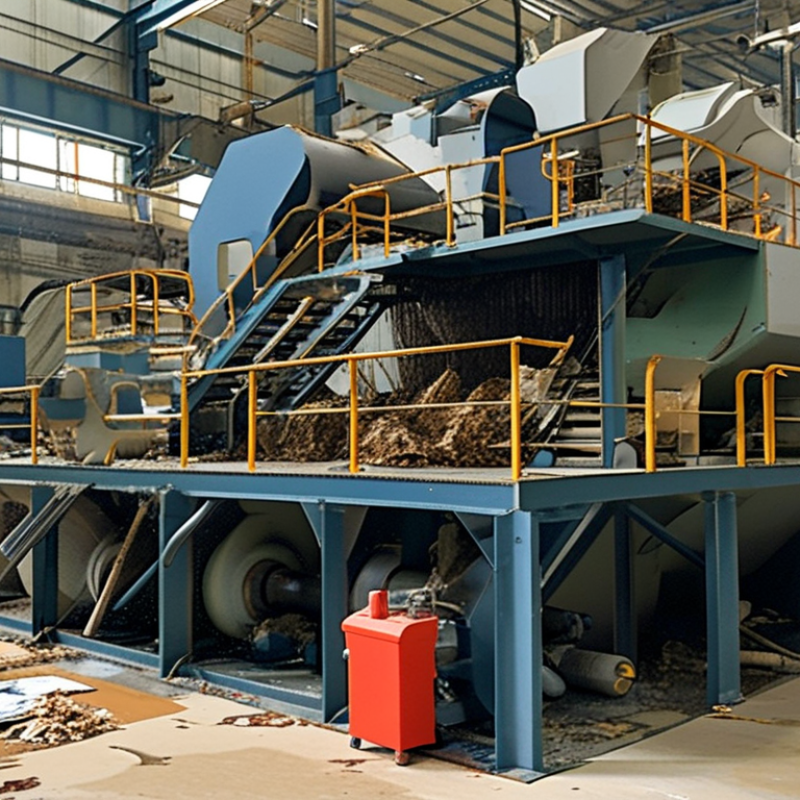
A paper pulp making machine converts recovered paper, water, and controlled energy into usable pulp. Inside, a pulper separates fibers through rotating blades. Screens then remove plastic, staples, and other unwanted materials. The cleaned pulp may pass through refining, thickening, and storage equipment before forming begins.
In 2026, the best machine is not simply the fastest model. It should match the paper grade, daily capacity, water quality, and available floor space. Reliable machines offer steady fiber treatment, accessible inspection points, and controls that operators can understand. From practical experience, poor screening can damage product quality, even when the pulper looks powerful. Energy use also matters, but low consumption alone does not prove better performance. Some specifications sound impressive yet fail during continuous production. That deserves careful checking.
Tips:
Ask for test results using your actual raw paper. Check pulp consistency at several production stages. Examine cleaning access before purchase. A machine that is difficult to maintain may create hidden labor costs. Keep spare wear parts available. Also, question recovery claims; real efficiency depends on water systems, operator habits, and material variation. Small mills may need simpler equipment, not the most automated setup. Oversized machinery can waste space and increase maintenance pressure. Mistakes happen. Record them carefully.
How Does the Pulp-Making Process Work?
What Is the 2026 Best Paper Pulp Making Machine?
How Does the Pulp-Making Process Work?
The best paper pulp making machine supports a controlled, repeatable process. Waste paper or plant fibers enter a pulper with warm water. Rotating blades separate fibers without cutting them excessively. Operators then remove staples, plastics, sand, and other unwanted materials through coarse screening and cleaning. The fiber slurry becomes smoother during refining, where controlled friction improves bonding strength. This stage needs care. Over-refining can weaken fibers and increase energy use.
The cleaned pulp may receive color adjustment or gentle bleaching, depending on the final paper grade. It then moves through a thickener, forming section, press, and dryer. Water drains through screens, while mechanical pressure removes more moisture. Heated cylinders finish the drying process. A reliable machine should offer stable flow control, accessible maintenance points, energy monitoring, and effective water recovery. In practice, the “best” choice depends on fiber type, production volume, product quality, and local operating conditions.
Tips: Test the raw material before selecting equipment. Record moisture, contamination, and fiber length. Keep blades and screens inspected. Small wear can change pulp quality quickly. Do not chase maximum speed blindly. A slower, stable line may produce stronger paper and fewer rejects. I would also review cleaning losses regularly, because useful fiber can leave with discarded materials. That overlooked detail can distort production costs.
Which Machine Types Are Available in 2026?
What Is the 2026 Best Paper Pulp Making Machine?
Which Machine Types Are Available in 2026?
A single machine rarely fits every paper mill. In 2026, the best choice depends on fiber source, production volume, paper grade, and energy limits. A recycled-board mill may prioritize contaminant removal, while a tissue producer may need cleaner, softer fibers. The process goal comes first.
For recovered paper, hydraulic pulpers handle common waste paper with flexible operating control. Drum pulpers use gentler movement and can reduce fiber damage during continuous processing. High-consistency pulpers save space, but they require careful feeding and maintenance.
Pressure screens remove plastics, flakes, and oversized particles before forming. Their slot size must match the furnish.
Deinking systems combine flotation, washing, dispersion, and chemical control. They suit printed recovered paper but can increase water and energy demand. Disc refiners adjust fiber bonding and paper strength. Over-refining can create drainage problems, so operators should monitor freeness and power consumption.
For virgin fiber, chip screens, digesters, washers, and bleaching equipment remain essential. Modern systems add sensors, automatic consistency control, and data tracking. Helpful, but not magic.
Field evaluations often reveal overlooked details. A machine may perform well in a test room but struggle with wet, dirty feedstock. Water balance matters. Spare parts, operator training, and cleaning access also influence long-term reliability.
The cheapest installation can become expensive when downtime, fiber loss, and unstable quality begin to appear.
What Features Define the Best Pulp-Making Machine?
In 2026, the best paper pulp making machine is not simply the fastest one. It must deliver stable fiber quality, low energy use, and controlled water consumption. The machine should include accurate consistency sensors, efficient pulping chambers, and automatic contaminant removal. These features help operators manage mixed recovered paper, moisture changes, and unwanted plastics.
CEPI reported a 79.3% paper recycling rate in Europe in 2023. That figure raises the bar. A modern pulp-making machine needs strong screening and reliable reject handling. Operators should see a clean control display, not guess from noisy equipment. FAO forestry statistics place global paper and paperboard production above 400 million tonnes annually. Even small efficiency losses can become expensive at this scale.
Maintenance access also defines the best machine. Quick-opening inspection points, wear-resistant components, and clear service alerts reduce unexpected downtime. Safety controls must protect workers during feeding, cleaning, and maintenance. In my experience, stable output matters more than impressive peak capacity. A machine may claim excellent performance, yet perform poorly with wet or heavily contaminated material. That weakness deserves honest testing. The strongest choice combines measured fiber quality, energy data, water reuse, and operator feedback. No machine is perfect. A reliable design leaves room for adjustment.
What Is the 2026 Best Paper Pulp Making Machine?
The best pulp-making machine is defined by balanced performance rather than a single specification. This comparative priority index uses a 100-point engineering scale to highlight the features most important for efficient, stable, and sustainable paper-pulp production.
The index reflects practical evaluation priorities: fiber recovery, energy efficiency, contaminant removal, automation, water conservation, and ease of maintenance. It is a neutral reference framework and does not represent any company or brand.
How Should Businesses Choose the Right Machine?
Choosing the best paper pulp making machine in 2026 starts with your raw material, not a sales brochure.
Recycled office paper, corrugated waste, and agricultural fiber behave differently in water. Ask for a measured trial using your own feedstock. Record pulp yield, fiber length, reject rate, and energy use. These figures reveal more than a polished demonstration. Experience matters.
A suitable machine must match daily volume and peak loads. A unit rated for 20 tons may struggle when wet feedstock arrives. Check operating consistency, motor load, screen design, and water circulation. Energy consumption should be measured per ton of saleable pulp. Ask how quickly operators can open, inspect, and clean wear parts. Small access panels can create large maintenance delays. Safety guards, emergency stops, dust control, and documented training are essential. Do not accept vague claims.
Reliable suppliers provide test data, installation requirements, spare-parts schedules, and realistic service response times. Request references from mills processing similar materials and volumes. Their experience can expose hidden costs, such as wastewater treatment or frequent blade replacement. A lower purchase price may become expensive after six months. Still, no machine fits every plant perfectly. Your own trial may reveal unexpected fiber loss or noise. That is useful evidence, not failure. Ask whether the proposed system can be adjusted without replacing its main structure.