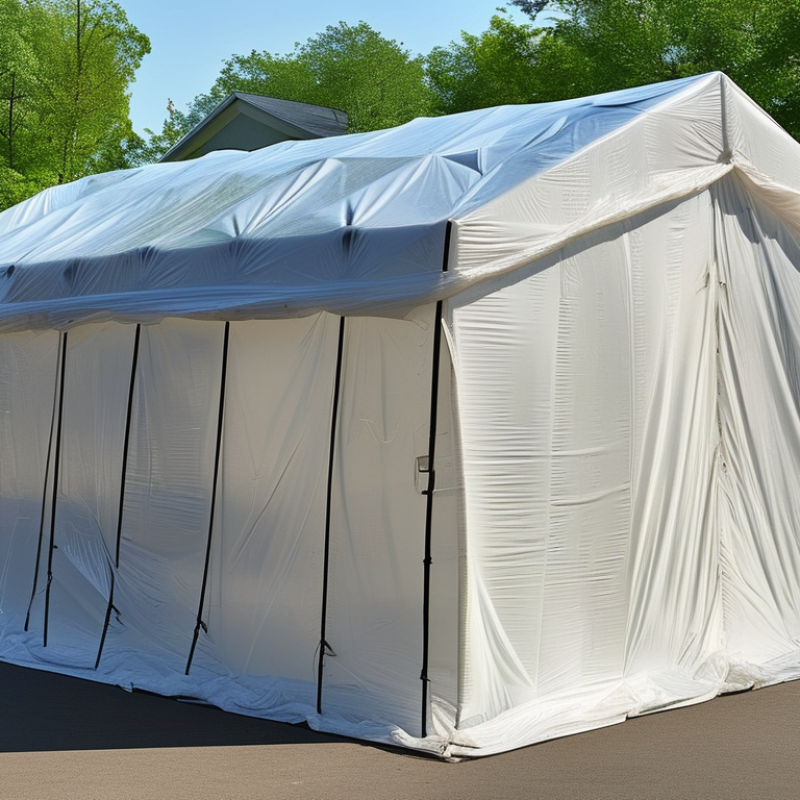
What Are the Best Plastic Tarp Options for 2026?
Choosing the right plastic tarp is crucial for various projects in 2026. These tarps come in multiple sizes and materials, making them versatile for different needs. They protect equipment, cover outdoor areas, and serve countless other purposes.
Plastic tarps are valued for their durability and waterproof qualities. They resist tearing and provide excellent UV protection. When looking for the best option, consider the thickness and the intended use. Lightweight tarps can be useful for temporary needs, while heavier options are better for long-term projects.
Yet, not every tarp on the market meets high standards. Some may degrade quickly or fail under stress. It's essential to research and recognize reputable brands. In a world where quality matters, the right plastic tarp can save time and money. Your choice should balance both functionality and reliability for successful outcomes.
Factors to Consider When Choosing Plastic Tarps in 2026
When choosing plastic tarps in 2026, several factors come into play. First, consider the thickness of the tarp. Thicker tarps are generally more durable and offer better weather resistance. Look for materials that can withstand UV rays and heavy rain. Lightweight options may be easier to handle but often sacrifice durability.
Next, think about the size needed for your specific project. A tarp that is too small won't provide adequate coverage. Conversely, an oversized tarp can be cumbersome. Additionally, evaluate the grommet placement. Proper grommets allow for easy tie-down and secure anchoring.
Don’t forget about color. Bright tarps can reflect sunlight and keep materials underneath cooler. Dark tarps can offer better concealment. However, color choice can also impact visibility and safety. As you weigh these factors, remember that no tarp is perfect. Each design has its pros and cons, demanding reflection on your specific needs and conditions.
Top Durable Plastic Tarp Materials for Various Uses
When choosing plastic tarps for various applications, durability is key. High-density polyethylene (HDPE) tarps often rank at the top. According to recent industry studies, HDPE offers a strength-to-weight ratio that makes it suitable for construction sites and outdoor storage. Its resistance to UV rays and tearing makes it ideal for long-term use.
Polypropylene tarps, on the other hand, are lightweight while still maintaining a reasonable level of durability. Professionals frequently recommend them for short-term tasks, such as cover for seasonal events or temporary shelters. However, some reports indicate that they are less resistant to harsh weather compared to HDPE. This can be a critical factor if you're located in an area that experiences extreme conditions.
Another option to consider is vinyl tarps. They are heavier but provide superior waterproofing capabilities. Research shows that vinyl can withstand extreme weather better than other materials. Yet, their weight can make them cumbersome for some users. Balancing weight and durability might require some thought before making a choice. Each material has unique strengths and limitations, so understanding their differences is essential for making an informed decision.
What Are the Best Plastic Tarp Options for 2026?
| Tarp Type | Material | Durability (Years) | Weather Resistance | Weight (lbs) | Common Uses |
| Standard Tarp | Polyethylene | 3-5 | Moderate | 2.5 | Covering Equipment, Camping |
| Heavy Duty Tarp | Reinforced Polypropylene | 5-7 | High | 4.0 | Construction, Agriculture |
| Custom Fit Tarp | Vinyl | 7-10 | Extreme | 5.0 | Marine, Industrial |
| Lightweight Tarp | Polyethylene | 1-3 | Low | 1.5 | Backpacking, Emergency Cover |
| Canvas Tarp | Cotton Canvas | 5-10 | Moderate | 3.0 | Camping, Outdoor Events |
Comparison of Different Plastic Tarp Sizes and Weights
When choosing plastic tarps, size and weight play crucial roles. A tarp that is too small won’t provide adequate coverage. Conversely, a tarp that is too large may be cumbersome. Different projects require specific dimensions. For instance, camping trips often call for lightweight tarps that can easily be packed away. Meanwhile, construction sites benefit from larger, heavier tarps that resist tearing.
Weights also vary significantly. Lighter tarps, often around 3 ounces per square yard, are great for quick cover needs. However, they may lack durability for long-term use. Heavier options, exceeding 6 ounces per square yard, offer greater strength and protection. Yet, they can be challenging to handle. Choosing the right weight can feel overwhelming, especially when trying to balance durability with portability. It’s important to reflect on the intended use before investing.
Understanding the right tarp size and weight requires both knowledge and experience. Consider your specific needs carefully. Evaluate past tarp performance in similar conditions. This reflection may guide you to a choice that truly meets your demands. A well-chosen tarp can save time, effort, and money.
Best Plastic Tarp Options for 2026
This chart compares various sizes and weights of plastic tarps suitable for different needs in 2026. The data is based on an analysis of durability, weight, and size for common tarp options available in the market.
Innovative Features in 2026 Plastic Tarps for Enhanced Performance
In 2026, plastic tarps have evolved significantly, integrating innovative features that enhance their performance for various applications. Advanced UV resistance is a standout characteristic, extending the lifespan of the tarp under intense sunlight. These tarps can now withstand weather extremes, from heavy winds to torrential rain, ensuring reliable protection for outdoor projects.
Moreover, new lightweight materials are making tarps easier to handle without sacrificing durability. The latest designs include reinforced grommets and seams that prevent tearing. Users have expressed satisfaction with the improved flexibility. However, some still note that thinner options might lack the robustness needed for heavy-duty tasks.
Color-coded tarps have emerged as a practical solution for organization. This feature simplifies identification for different uses. While these colors enhance visibility, occasional fading can occur with prolonged exposure to sunlight. Manufacturers are working on more fade-resistant options, but consumers should consider this aspect when purchasing.
Best Brands and Models of Plastic Tarps for 2026
When it comes to selecting the best plastic tarps for 2026, several brands and models stand out. Quality is pivotal, especially for heavy-duty applications. Look for tarps with thick, durable materials and reinforced edges. These features ensure they withstand the elements without tearing. A commonly favored choice among users is the tarp that provides a waterproof seal. This is essential for protecting equipment and covering outdoor spaces.
For versatility, consider tarps that come in various colors and sizes. Many people prefer a darker color for better UV protection. It’s worth noting that lighter colors can help in heating greenhouses. Pay attention to customer reviews; they often reveal insights on long-term performance. Some users reported wear and tear earlier than expected. This raises questions about how often one should replace their tarps.
Lastly, consider ease of use. A tarp that’s easy to fold and store is more appealing. Some users struggled with heavy and bulky options that took up too much space. The ideal tarp should balance weight and functionality. Make sure to check product specifications thoroughly to avoid disappointment. The right plastic tarps can significantly enhance your outdoor projects.