By using this site you agree to the use of cookies by the company in accordance with the Privacy Policy
In the fast-evolving landscape of food storage solutions, the demand for efficient and reliable refrigeration systems is rising. Among these, the Prefab Walk In Cooler stands out as a preferred choice for businesses across various sectors. It provides exceptional temperature control for perishable goods. This article explores the best options for Prefab Walk In Coolers available in 2026.
When choosing a Prefab Walk In Cooler, buyers should evaluate factors like size, material, and insulation. These coolers offer impressive versatility. They can be customized to fit a range of business needs. However, not all options are created equal. Some may lack durability or energy efficiency, leading to potential long-term costs.
Being informed is key to making the right purchase. A quality Prefab Walk In Cooler can save time and money, but the wrong choice may lead to regrets. Buyers must balance cost with features. Consider what truly matters for your business. The choices can be overwhelming, but thoughtful selection is essential for success.
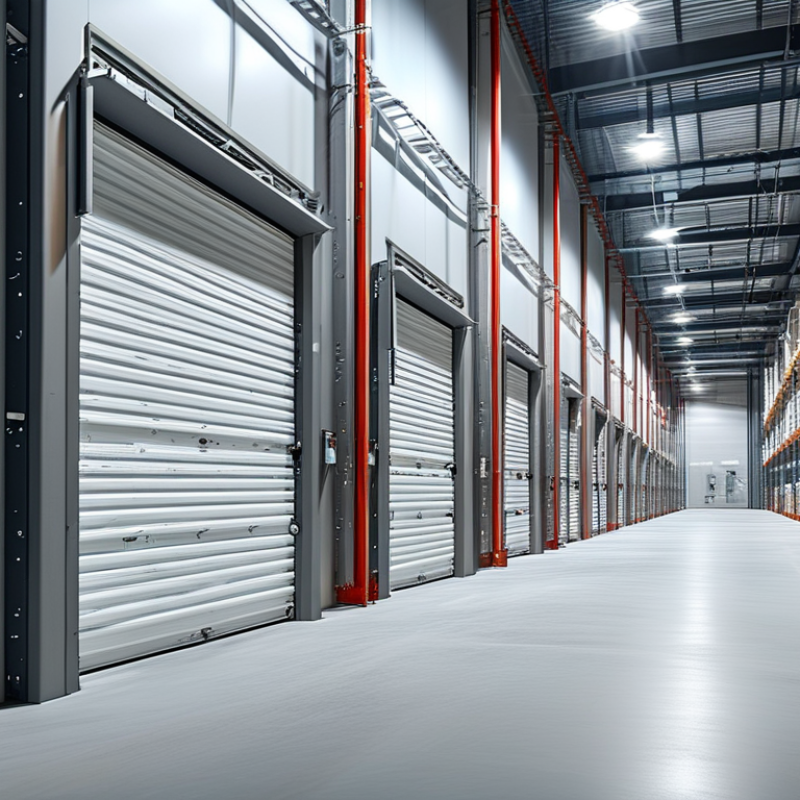
When selecting prefab walk-in coolers in 2026, there are several key factors to consider. First, insulation quality is essential. Good insulation keeps temperatures stable and energy consumption low. You might want to check the thickness of the panels. Thicker panels usually mean better insulation. Pay attention to the materials used. High-quality materials ensure durability and longevity.
Another important aspect is the size. Your space dictates the size needed. Measure carefully to ensure a good fit. A cooler that's too large wastes energy. Conversely, a smaller cooler may not meet your needs. Consider layout options. An efficient layout can improve accessibility and usability. User experience matters.
Energy efficiency is also critical. Look for coolers with energy-saving features. This can reduce operating costs significantly. Additionally, ease of installation should not be overlooked. Complicated setups can lead to delays. Check if the manufacturer offers support during installation. Reflect on future needs as well. Will your business expand? Choose a model that can adapt to changing demands.
This chart illustrates the top considerations for choosing prefab walk-in coolers in 2026, based on key dimensions such as energy efficiency, size options, and price range.
The global market for prefab walk-in coolers has been expanding rapidly, driven by the food and beverage sector. These coolers provide an efficient solution for temperature-sensitive products. According to a recent industry report, the demand for walk-in coolers is projected to grow by 5.6% annually from 2023 to 2030. This growth indicates a significant shift towards prefabricated solutions in various regions.
Different types of prefab walk-in coolers cater to various needs. Some cooler designs focus on modular construction for easy installation. Others prioritize energy efficiency, reducing operational costs for businesses. The technology in these units often includes advanced insulation materials that maintain uniform temperatures. However, not all coolers meet international energy standards. This inconsistency can lead to increased energy consumption and higher costs.
Certain regions favor specific designs based on local climates and regulations. For example, tropical regions may require units with enhanced refrigeration systems. In contrast, cooler climates benefit from models with better heat retention. Buyers must consider these factors carefully. Relying solely on price may lead to poor long-term performance. Choosing a cooler with the right specifications can significantly impact operational efficiency.
When evaluating prefab walk-in coolers, various factors emerge. The global market for refrigeration is expected to grow significantly. According to a 2023 industry report, the demand for walk-in coolers will rise by over 5% annually. This growth can be attributed to increased food safety standards and the expansion of the food service industry.
Leading brands typically emphasize energy efficiency and durability. Statistics show that coolers with better insulation can reduce energy costs by 20% or more. However, not all brands deliver on these promises. Some units may struggle with maintaining temperature, leading to spoilage and waste. Buyers should be aware of customer reviews that point out inconsistent performance.
Choosing the right cooler involves more than just pricing. Some models lack adequate warranty protection. A cooler can be a significant investment, so understanding long-term costs is essential. Data indicates that issues with installation can also impact performance. It’s crucial to vet not only the cooler but also the installation services. The outcome affects efficiency and durability.
| Model | Size (Cubic Feet) | Cooling Capacity (BTU) | Energy Efficiency (SEER) | Material | Price Range (USD) | Warranty (Years) |
|---|---|---|---|---|---|---|
| Model A | 200 | 6000 | 15 | Steel | 3000 - 3500 | 3 |
| Model B | 250 | 8000 | 16 | Aluminum | 3500 - 4000 | 4 |
| Model C | 300 | 10000 | 14 | Fiberglass | 4000 - 4500 | 5 |
| Model D | 150 | 5000 | 17 | Steel | 2500 - 3000 | 2 |
| Model E | 200 | 7000 | 15 | Aluminum | 3200 - 3700 | 3 |
When choosing a prefab walk-in cooler, buyers should consider several key features. Insulation is vital. Look for a unit with thick insulation panels. This helps maintain a stable temperature. A cooler with an average R-value of at least 28 is recommended. Energy efficiency is another must-have. Seek out models that use eco-friendly refrigerants. They not only save you money but also reduce environmental impact.
Size and configuration play important roles as well. Determine the available space before making a choice. Various sizes accommodate diverse needs. Think about the layout too. Some coolers offer more flexible configurations. This can enhance accessibility and workflow. Additional features such as LED lighting are useful. They improve visibility and energy efficiency.
Don’t overlook security features. Lockable doors provide safety and peace of mind. Alarm systems can alert you to temperature changes, which is crucial for sensitive items. Keep in mind that proper maintenance is necessary. Regular cleaning and checks extend the life of the cooler. This aspect often gets neglected, but it’s essential for effectiveness.
As the demand for prefab walk-in coolers grows, several global trends are influencing their market in 2026. Sustainability remains a key factor. Environmental regulations push businesses toward eco-friendly solutions. Buyers show preference for energy-efficient units. These cooler systems often use advanced insulation materials, reducing energy consumption. Such features appeal to those who care about costs and the environment.
Technology integration is another trend. Smart coolers equipped with IoT capabilities allow real-time monitoring. Users can track temperature and humidity via mobile apps. This leads to improved food safety and operational efficiency. However, the need for consistent internet connectivity raises concerns for some potential customers.
Investing in prefab coolers can be a complex decision. Always evaluate your specific needs before purchasing. Here are some tips:
By using this site you agree to the use of cookies by the company in accordance with the Privacy Policy
Have a questions or want to know more about our company? We'll be expecting you.