What are the Best Screws for Building Materials?
When considering construction projects, selecting the right Screws For Building Materials is crucial. Research shows that screws are a significant factor in structural integrity. According to a report by the Fastener Quality Act, 30% of construction failures are due to inadequate fastening methods. This underscores the importance of choosing suitable screws for diverse building materials.
Different applications demand specific screw types. For instance, wood, metal, and concrete each require screws designed for their unique properties. A study by the Construction Specifications Institute highlights that using the correct screws can increase holding power by up to 50%. Many builders overlook the nuances, often using general-purpose screws.
Reflecting on commonly made mistakes, it’s clear that reliance on a one-size-fits-all approach is risky. Custom solutions can prevent costly errors in the long run. Builders should continually educate themselves on the advancements in screw technology. Quality screws for building materials lead to better, safer constructions.
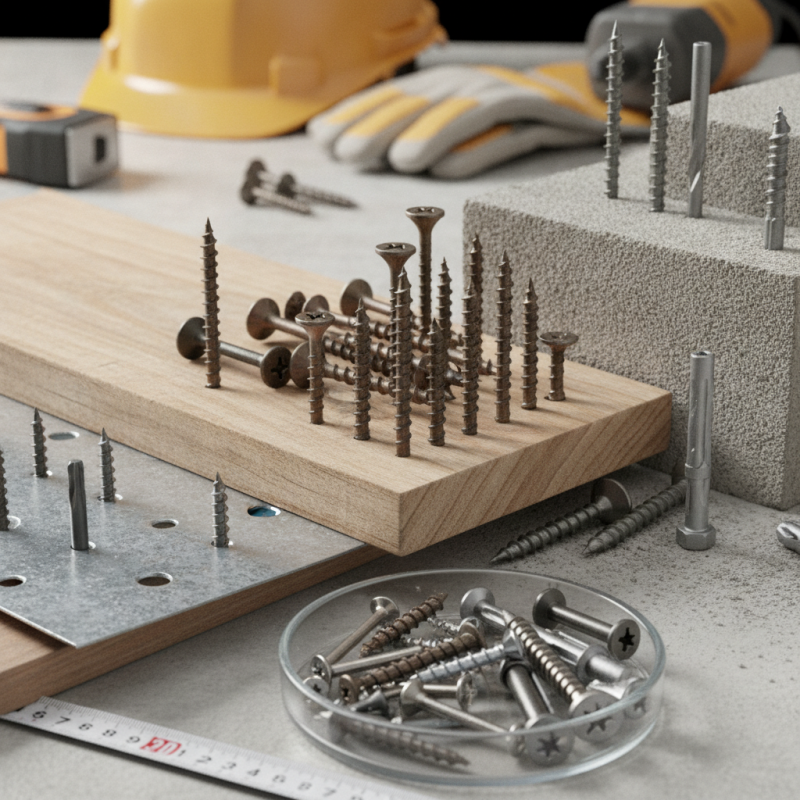
Types of Screws Suitable for Various Building Materials
When selecting screws for building materials, specifics matter. Different materials require different types of screws for optimal performance. For wood, coarse-thread screws are ideal. They grip securely and provide strong holding power, essential for structural integrity. According to industry data, screws specifically designed for wood can increase load capacity by up to 30%.
Metal, in contrast, demands fine-thread screws. These screws penetrate more easily and prevent shearing. Studies have indicated that using the correct screw type can reduce assembly time by approximately 15%. Concrete and masonry materials call for lag screws or masonry screws. These screws boast high shear and tensile strength, making them suitable for heavy loads.
However, the choice isn't always straightforward. For softwood versus hardwood, differing screw metrics can lead to issues. Overly long screws can split wood, while too short may not hold securely. Understanding these nuances can lead to better construction outcomes, reflecting the subtle complexity in seemingly simple tasks.
What are the Best Screws for Building Materials? - Types of Screws Suitable for Various Building Materials
| Building Material | Recommended Screw Type | Screw Length | Coating Material | Head Type |
| Wood | Wood Screws | 1.25" - 3" | Zinc Plated | Flat Head |
| Steel | Self-Tapping Screws | 1" - 2.5" | Black Oxide | Hex Head |
| Drywall | Drywall Screws | 1" - 3" | Phosphate Coated | Bugle Head |
| Concrete | Concrete Screws | 1.5" - 5" | Corrosion Resistant | Flat Head |
| Masonry | Masonry Screws | 1.75" - 3.5" | Galvanized | Round Head |
Factors to Consider When Choosing Screws for Construction Projects
When selecting screws for construction projects, various factors are essential. The material of the screw affects its durability and suitability. For wood, screws with coarse threads hold better. For metal, finer threads work best. Choose rust-resistant options for outdoor use.
Tip: Always consider the project’s environment. For coastal construction, opt for stainless steel screws. These resist corrosion better than regular options.
Length and diameter also matter. Shorter screws can provide enough grip without splitting the wood. However, selecting diameter that matches your material is crucial. An oversized screw can lead to damaging cracks.
Tip: Test your screws in scrap material first. This helps gauge their performance without risking your main project. Adjust your choices based on how they behave, especially if they bend or break under stress.
Comparative Analysis of Common Screw Materials and Coatings
When choosing screws for building materials, the type of material and coating is crucial. Stainless steel screws offer excellent corrosion resistance, making them suitable for outdoor projects. However, they can be more expensive than other options. On the other hand, carbon steel screws are stronger and less costly, but they require protective coatings to prevent rust. This balance between cost and durability often prompts builders to examine their specific needs.
The coatings on screws can significantly affect their performance. Galvanized screws feature a zinc layer that enhances rust resistance. Yet, this coating can wear off over time, especially in harsh environments. Another option is epoxy-coated screws, which provide strong protection against moisture and corrosion. However, this type may not hold up as well in high-stress environments. Ultimately, the best choice depends on the project requirements and environmental factors.
It is important to consider the trade-offs of each option. Stainless steel provides longevity but can be overly expensive for some projects. Carbon steel, while strong, poses risks if not properly coated. The effectiveness of a coating also diminishes with time, and this can lead to unexpected failures. Therefore, evaluating screw materials and coatings requires careful thought and consideration of both immediate needs and long-term impacts.
Best Practices for Installing Screws in Different Building Materials
When installing screws in building materials, it’s crucial to consider specific practices for the best outcomes. For wood, pre-drilling holes can help prevent splitting. A report by the American Wood Council highlights that using screws with a coarse thread can provide superior grip. This is particularly vital in structural applications where strength matters most.
For metal, self-drilling screws are preferred. They reduce the need for pre-drilling and enhance efficiency. According to the Steel Construction Institute, the correct choice of screw can improve load transfer in steel structures. Tightening screws to the recommended torque is essential to avoid stripping.
In masonry, using a masonry screw with a proper anchor is key. Directly screwing into concrete often leads to failures. The Portland Cement Association suggests utilizing expansion anchors for better load support. Each material has unique requirements, and missteps can lead to safety risks.
Best Screws for Different Building Materials
Tips for Selecting the Right Screw Length and Diameter for Your Needs
Selecting the right screw length and diameter is crucial in construction. It influences the strength and durability of your projects. A proper fit ensures that the screws hold materials securely together. Choosing without consideration can lead to weak joints or damaged materials.
Consider the thickness of the materials you are working with. A screw that is too short won't provide enough grip. On the other hand, a screw that is overly long can split the material. Generally, aim for screws that are 2 to 2.5 times the thickness of the material. This ratio allows for optimal hold without risk of damage.
Pay attention to the diameter as well. Thicker screws provide better grip but may require pre-drilling. Conversely, thinner screws may not support heavy loads. Assess the load-bearing needs of your project. Matching the screw size to the project requirements will lead to a more robust build. Always be mindful of how different materials may react to various screws. Flexibility in planning is key in achieving a successful outcome.


