What are the Best Types of Anchor Bolts for Global Projects?
Anchor Bolts play a critical role in construction projects worldwide. These fasteners ensure stability and strength in various structures, from bridges to high-rise buildings. According to the Global Construction Industry Report, approximately 60% of structural failures can be traced back to inadequate anchoring solutions. This statistic emphasizes the importance of selecting the right type of anchor bolt.
There are several types of anchor bolts available, each designed for specific applications. For example, wedge anchors work best in concrete, while expansion anchors serve well in masonry. Choosing the appropriate anchor bolt is crucial. Miscalculations can lead to costly repairs and safety hazards.
It’s also worth noting that the materials used for anchor bolts can affect performance. Stainless steel bolts resist corrosion, extending their lifespan. However, they often come at a higher price. This decision requires careful consideration of budget vs. longevity. Anchor bolts must be chosen with both expertise and context in mind, reflecting both the needs of the structure and local environmental factors.
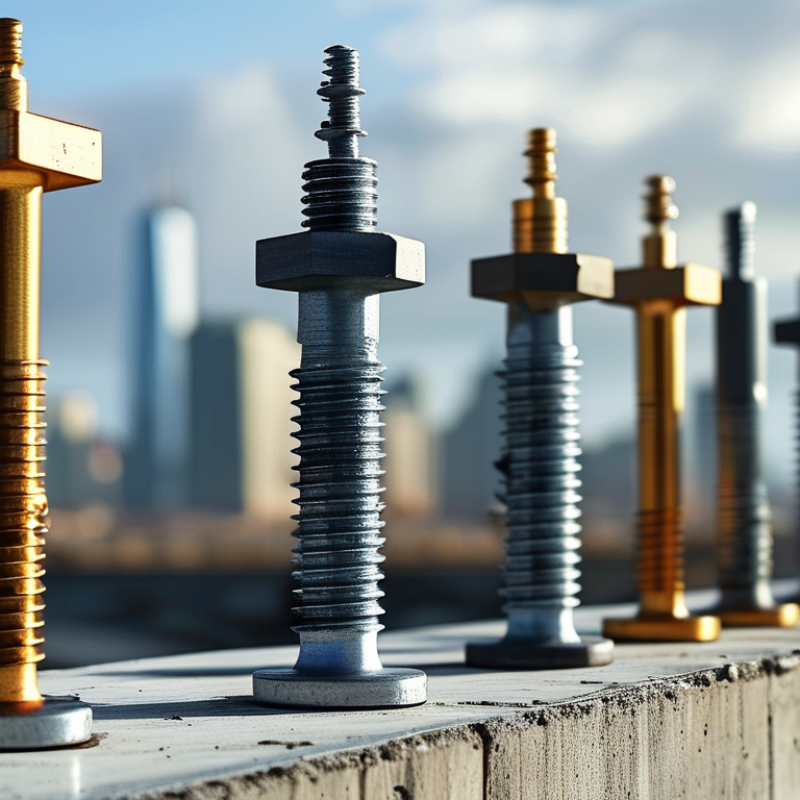
Types of Anchor Bolts: An Overview of Global Applications
Anchor bolts are vital in various global construction projects. They provide the necessary strength to secure structures. Understanding the types of anchor bolts can help engineers choose the right one for specific applications.
Many projects utilize concrete anchor bolts. These bolts are designed to withstand heavy loads. They play a critical role in foundation construction and industrial machinery installation. Their durability makes them suitable for outdoor applications. However, improper installation can lead to failures. It is essential to meet the required specifications to avoid costly mistakes.
Another common type is the expansion bolt. These bolts expand against the material as they are tightened. They are often used in retrofitting jobs. However, they do require careful consideration of the base material. In some instances, the expansion mechanism can degrade over time. This potential issue highlights the need for regular inspections and maintenance. Choosing the right anchor bolt can significantly impact a project's longevity and safety.
Material Selection for Anchor Bolts: Steel vs. Stainless Steel
When selecting materials for anchor bolts, the choice between steel and stainless steel is crucial. Steel offers strength and load-bearing capacity. It is often more cost-effective but can be prone to corrosion in harsh environments. This makes it less suitable for coastal or industrial settings where exposure to moisture or chemicals is prevalent.
On the other hand, stainless steel provides excellent corrosion resistance. It is ideal for projects exposed to aggressive elements. However, using stainless steel often increases overall project costs. Not every project requires this level of durability; some may benefit from adequate protection methods instead.
We must consider both environmental factors and project specifications. If a project has budget constraints but is in a less severe environment, standard steel may work well. Yet, overlooking the risk of corrosion can lead to premature failures. Evaluating the trade-offs between performance, longevity, and cost ensures a better choice.
Load Capacity Considerations for Anchor Bolts in Large Structures
When selecting anchor bolts for large structures, load capacity is a critical factor. According to the American Concrete Institute (ACI), the strength of an anchor bolt depends on its material, size, and embedment depth. Data from industry reports indicate that properly designed and installed anchor bolts can support tensile loads exceeding 100 kips (kilo-pound) in concrete, enhancing structural integrity.
The load capacity of anchor bolts is influenced by several variables. For instance, concrete quality plays a significant role. ACI recommends using high-strength concrete to improve bolt performance. Additionally, the installation technique must be correct. Misalignment during installation can significantly reduce load-bearing capabilities. Research shows that improperly installed bolts can lead to failures, highlighting the importance of thorough planning and skilled labor.
Considering design and environment is equally essential. Temperature fluctuations and moisture can impact bolt performance. Engineers should account for corrosion risks, especially in coastal areas. Using coated or stainless-steel bolts may mitigate some of these concerns. However, these choices often come with cost implications, requiring careful budget assessments. Ultimately, balancing load capacity with installation practices and environmental factors is a nuanced challenge that requires expertise.
Corrosion Resistance in Anchor Bolts: Choosing the Right Coatings
Corrosion resistance is vital for anchor bolts used in global projects. With environments varying from coastal to industrial, the right coatings are essential. A report from the American Galvanizers Association indicates that hot-dipped galvanized coatings can provide longevity. These coatings resist rusting, but they are not infallible. Over time, even galvanized bolts can corrode under extreme conditions.
Another effective option is epoxy coatings. They can withstand chemical exposure and harsh weather. However, if improperly applied, these coatings may peel or crack. Data suggests that application standards are critical. A study from the European Organization for Technical Approvals highlights that proper surface preparation before coating application significantly enhances performance. Smaller projects can often overlook this, leading to reduced lifespan.
Selecting the right coating involves considering project location and environmental factors. Inadequate assessment may result in premature failure. The American Concrete Institute emphasizes that understanding local conditions is as essential as choosing the bolt type. Coating effectiveness varies, and not all systems suit every application. Rushing this choice can lead to costly repairs or worse. It's crucial to weigh all options carefully for long-term success in construction.
Standards and Regulations Governing Anchor Bolt Usage Worldwide
When discussing anchor bolts, compliance with international standards is crucial. Different countries have specific regulations governing their use. For example, the American Concrete Institute (ACI) outlines guidelines that developers must adhere to in the United States. Similarly, the Eurocode framework offers rules for European projects. These standards are essential for ensuring safety and structural integrity, making them a priority for project managers.
Many projects face challenges in meeting these regulations. A common issue arises from the lack of uniformity among standards across regions. Projects may require extensive research to ensure compliance. According to the International Organization for Standardization (ISO), non-compliance can lead to costly delays and safety risks. This highlights the importance of understanding global regulations before selecting anchor bolts.
Tip: Always verify the local regulations applicable to your project site. This can save time and resources in the long run.
Another area of concern is the materials used for anchor bolts. Various standards specify the grade of steel required, which can impact durability and performance. Different climates also necessitate specific materials to prevent corrosion. It's essential to consider these factors when planning your design.
Tip: Consult a structural engineer to assess the most suitable materials for your project's location. Their expertise can help avoid future problems.


