Top 10 Brass Parts Processing Techniques for Global Buyers?
Brass Parts Processing plays a vital role in various industries, including automotive, electronics, and plumbing. The global brass market is projected to reach $9 billion by 2024, driven by its durability and aesthetic appeal. Processing techniques directly influence quality, cost, and lead time.
However, not all processing methods deliver the same results. Some techniques may lead to increased waste or defects. A 2021 industry report indicated that improper machining could cause up to 30% material waste. Buyers must understand these nuances to maximize efficiency and product quality.
Furthermore, staying updated on the latest trends in brass parts processing is essential. Knowledge of advanced techniques can aid in selecting reliable suppliers. Being aware of their capabilities ensures that you receive parts that meet stringent specifications. Balancing cost and quality often requires critical assessment. Understanding the key processes helps avoid common pitfalls in production, which is a necessity for global buyers.
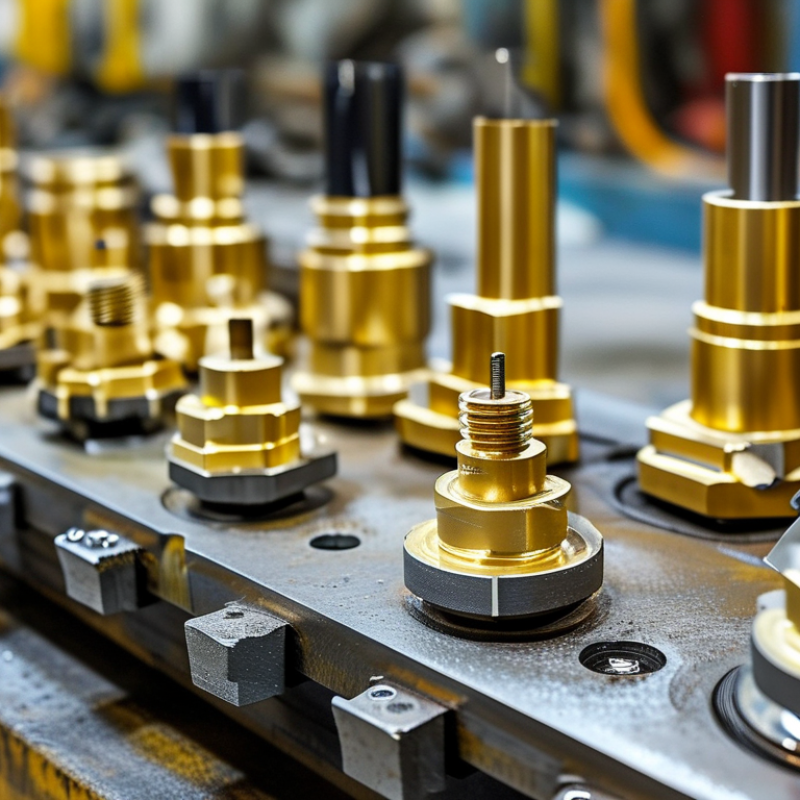
Top 10 Brass Parts Processing Techniques for Global Buyers
When it comes to brass parts processing, various techniques can significantly influence outcomes. The manufacturing process begins with choosing the right alloy. Different brass types, such as alpha and beta brass, offer unique properties. Understanding these differences can guide suitable applications for each type.
Machining is a common technique used in producing brass parts. Precision CNC machining allows for tight tolerances, reducing waste. However, it can also lead to over-engineering if not carefully managed. Another technique is forging, which enhances mechanical properties. Yet, achieving uniformity can be challenging.
Investing time in quality control ensures components meet strict standards. Non-destructive testing methods can detect flaws early, saving time and money. Nevertheless, many manufacturers overlook such processes, leading to potential failures. Adopting these techniques is essential for creating reliable brass components that meet global demands.
Understanding the Basics of Brass Parts and Their Applications
Brass is a versatile alloy of copper and zinc, widely used in various applications. Its corrosion resistance, low friction properties, and aesthetic appeal make it ideal for many industries. According to a report from ResearchAndMarkets, the global brass market is projected to reach USD 4.56 billion by 2026, driven by demand in plumbing and electrical components.
Brass components find applications in automotive, aerospace, and decorative hardware. A study by MarketWatch highlights that the automotive sector accounts for about 30% of the brass market. Parts like fittings, valves, and connectors are essential for engine efficiency and safety. However, sourcing quality brass parts can be challenging due to varying manufacturers' standards.
In today’s market, buyers face the dilemma of balancing cost and quality. Poor-quality brass can lead to product failures. A survey by Metalworking News indicated that 40% of manufacturers experience difficulties with substandard materials. Ensuring reliability requires understanding the production techniques and specifications in brass part manufacturing. This knowledge aids in selecting the right suppliers committed to quality assurance.
Key Brass Processing Techniques and Their Benefits for Buyers
Brass processing techniques play a crucial role in producing high-quality components. Understanding various methods is essential for buyers seeking reliable parts. Machining is one of the most common techniques. It involves removing material from a brass block to achieve the desired shape. Machining can deliver precise dimensions and smooth finishes, suitable for intricate designs.
Casting is another effective method. It requires pouring molten brass into molds. This technique allows for complex shapes that would be challenging to achieve through machining alone. However, the quality of the casting can vary based on the process and mold design. Buyers should be aware of potential inconsistencies when choosing this method.
Stamping is efficient for high-volume production. It involves pressing brass sheets into shapes. The speed and cost-effectiveness make stamping appealing. Yet, not all designs benefit from this technique. Some intricate patterns may require additional processing. Selecting the right brass processing technique demands consideration of both project requirements and potential trade-offs. Understanding these nuances is vital for making informed decisions.
Evaluating Quality Standards in Brass Parts Production
When it comes to brass parts production, quality standards are paramount. According to industry reports, around 30% of global brass components fail to meet essential quality criteria. This can lead to increased costs and delays for buyers. Understanding these standards is critical for global buyers looking to maintain efficiency and reliability.
Buyers should evaluate suppliers based on compliance with ISO 9001 standards. This certification ensures that manufacturers adhere to strict quality management principles. Additionally, it's wise to check if suppliers perform regular audits and inspections. Reports indicate that companies that implement rigorous quality control processes can reduce defects by up to 12%.
Tip: Always request detailed reports on quality testing from your suppliers before proceeding. This transparency builds trust.
Another vital aspect is the use of advanced technology in production. Buyers should inquire about the machinery and tools used. More companies are investing in automation for consistent quality. Yet, a significant number still rely on outdated methods, which may not meet current quality expectations.
Tip: Visit the production site if possible. Assessing manufacturing processes firsthand offers better insight into potential quality issues.
Top 10 Brass Parts Processing Techniques for Global Buyers
| Processing Technique | Common Applications | Quality Standards | Lead Time | Cost (Estimate) |
| CNC Machining | Automotive components | ISO 9001 | 2-4 weeks | $500 - $3,000 |
| Investment Casting | Plumbing fixtures | ASTM B16.34 | 3-6 weeks | $1,000 - $5,000 |
| Stamping | Electronics housings | IATF 16949 | 1-2 weeks | $300 - $2,000 |
| Extrusion | Heat exchangers | ASTM B453 | 4-8 weeks | $800 - $4,500 |
| Milling | Aerospace parts | AS9100 | 2-4 weeks | $600 - $2,500 |
| Forging | Structural components | ASTM A668 | 3-5 weeks | $700 - $3,200 |
| Electroforming | Precision parts | ISO 13485 | 4-6 weeks | $1,200 - $6,000 |
| Machining | Industrial tools | ISO 9001 | 1-3 weeks | $400 - $2,200 |
| Plating | Decorative applications | ASTM B456 | 1-2 weeks | $100 - $1,500 |
| Bending | Brackets and supports | ISO 9001 | 2-3 weeks | $250 - $1,800 |
Innovative Trends in Brass Parts Processing for the Global Market
Innovative trends in brass parts processing are reshaping the global market. One notable advancement is the rise of automated machining. Automation reduces human error and increases production efficiency. High-precision CNC machines are becoming more common. They ensure consistent quality while accommodating complex designs. Businesses are investing heavily in this technology. However, the high initial costs can deter smaller manufacturers.
Another trend is the adoption of eco-friendly processes. Many companies are exploring sustainable methods of production. Biodegradable coolants and recycling materials are gaining traction. This shift not only helps reduce waste but also attracts environmentally conscious buyers. Although the transition to greener practices may require adjustments, it reflects a commitment to sustainability.
Finally, there is a growing focus on customization. Global buyers are increasingly seeking tailored solutions. Advanced software allows for better design and quick prototypes. This flexibility meets specific client needs more effectively. Yet, high variability could complicate inventory management. Companies must balance customization with operational efficiency. Each of these trends highlights the evolving landscape of brass parts processing.
Conclusion
This article explores the essential techniques and considerations involved in Brass Parts Processing for global buyers. It begins by providing an understanding of brass materials and their diverse applications across various industries. Key processing techniques are highlighted, showcasing their benefits in enhancing product quality, durability, and performance.
Furthermore, the article emphasizes the importance of evaluating quality standards in the production of brass parts to ensure reliability and satisfaction for buyers. It also discusses the latest innovative trends in brass parts processing, which are shaping the global market, and offers cost-effective strategies for efficiently sourcing brass components. By incorporating these insights, buyers can make informed decisions that support their sourcing needs in the competitive landscape of brass manufacturing.


