en
Get in touch

What is Carbon Fiber Round Tube and Its Key Benefits?

The world of materials science has seen a remarkable evolution. One standout innovation is the Carbon Fiber Round Tube. This product combines strength and lightweight properties, essential in diverse industries. From aerospace to automotive designs, its applications are vast.

Carbon Fiber Round Tubes exhibit impressive rigidity, making them a preferred choice for structures that require both durability and minimal weight. The unique structure of carbon fiber allows it to withstand significant stress while remaining flexible. These tubes often outperform traditional materials, leading to enhanced performance.

However, some may question the pricing and production methods. Producing high-quality Carbon Fiber Round Tubes can be costly. This often leads to frustration among those seeking cost-effective solutions. Proper understanding of its benefits and limitations is crucial. Exploring this material reveals both its innovative potential and the challenges that accompany it.

What is Carbon Fiber Round Tube and Its Key Benefits?

What is Carbon Fiber Round Tube?

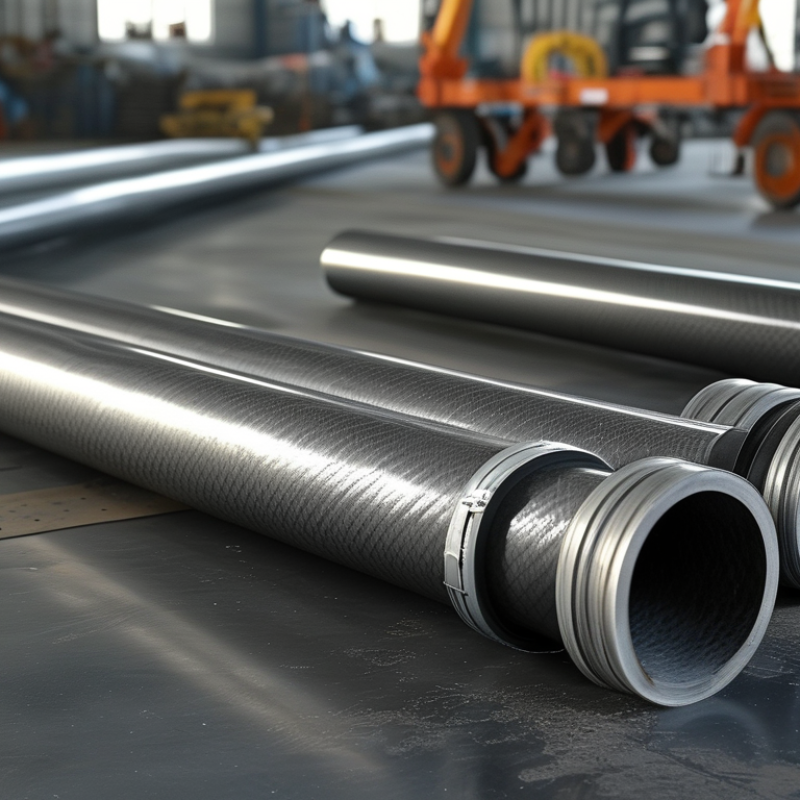
Carbon fiber round tubes are innovative structures made from carbon fiber reinforced polymer. They offer superior strength-to-weight ratios compared to traditional materials like steel and aluminum. This makes them popular in various applications, including aerospace and sports equipment. The lightweight nature of carbon fiber allows for enhanced performance while reducing energy consumption.

These tubes are not only lightweight but also highly resistant to corrosion. This resistance means they can endure harsh environmental conditions without degrading. However, proper care is essential. Scratches or impacts can compromise the integrity of the tube. This highlights the need for awareness and caution during handling and installation.

While carbon fiber round tubes provide excellent mechanical properties, they can be costly. Their manufacturing process requires specialized equipment and expertise, which contribute to the price. Potential buyers should weigh the benefits against the investment needed. Not all projects may require high-end materials, so careful consideration is crucial.

Key Characteristics of Carbon Fiber Round Tubes

Carbon fiber round tubes are notable for their unique characteristics. These tubes offer incredible strength while maintaining a lightweight profile. According to a report by the Carbon Fiber Institute, carbon fiber is five times stronger than steel yet weighs much less. This combination is why carbon fiber round tubes are increasingly used in industries such as aerospace, automotive, and sports equipment.

The tubes exhibit excellent resistance to corrosion and temperature changes. They can withstand extreme conditions without compromising structural integrity. This resilience makes them desirable for outdoor applications and high-performance environments. Additionally, carbon fiber's ability to absorb vibrations enhances the durability of products manufactured from these materials. As detailed in the Journal of Composite Materials, the fatigue resistance of carbon fiber composites is significantly higher than that of traditional materials.

Despite these advantages, challenges remain in the production and handling of carbon fiber tubes. The manufacturing process can be complex and costly. Also, there are concerns about recyclability. Research shows that while carbon fiber structures excel in performance, they are not always easy to recycle. This poses questions about sustainability in their widespread use. As industries adopt these materials, balancing performance benefits with environmental impact will be vital.

Applications of Carbon Fiber Round Tubes in Various Industries

Carbon fiber round tubes are gaining traction across various industries due to their unique properties. Their lightweight nature and high strength-to-weight ratio make them ideal for applications in aerospace, automotive, and sports equipment. For instance, a study from the Aviation Industry Association states that carbon fiber components can reduce the weight of aircraft by up to 20%. This reduction not only increases fuel efficiency but also enhances overall performance.

In the automotive sector, manufacturers are integrating carbon fiber round tubes in vehicle frames and components. This integration can lead to a significant decrease in vehicle weight, ultimately improving fuel economy. According to a report by the Society of Automotive Engineers, carbon fiber can save up to 30% in weight compared to traditional materials. Such advancements may make vehicles more sustainable, yet the cost of carbon fiber remains a challenge. It often limits its widespread use, as many manufacturers grapple with budgeting for this material.

Additionally, the sports equipment industry is harnessing the benefits of carbon fiber round tubes. High-performance bicycles, tennis rackets, and golf clubs utilize these tubes to enhance durability and performance. Research indicates that carbon fiber products can last up to five times longer than their metal counterparts. While the benefits are clear, the environmental implications of carbon fiber production warrant further investigation. Balancing performance and sustainability is crucial for future advancements in this field.

Advantages of Using Carbon Fiber Round Tubes Over Traditional Materials

Carbon fiber round tubes are revolutionizing various industries. Their strength-to-weight ratio is remarkable. This feature makes them ideal for applications where reducing weight is crucial. Sports equipment, automotive components, and aerospace structures all benefit significantly. Traditional materials like aluminum and steel are heavier and can lead to performance issues.

The advantages of carbon fiber round tubes extend beyond weight savings. They offer excellent corrosion resistance, making them suitable for harsh environments. This durability ensures longevity and reduces maintenance costs. Moreover, the design flexibility of carbon fiber allows for complex shapes that traditional materials struggle to achieve. Engineers can create lightweight structures without sacrificing strength.

However, the production of carbon fiber is energy-intensive and expensive. There is ongoing debate about environmental impacts. Some argue the benefits outweigh these factors. The challenge lies in balancing innovation with sustainability. Understanding when to use carbon fiber is essential for effective application.

Benefits of Carbon Fiber Round Tubes Compared to Traditional Materials

Considerations When Choosing Carbon Fiber Round Tubes for Projects

When selecting carbon fiber round tubes for projects, several considerations come into play. The tube's diameter, wall thickness, and overall length are key specifications. Each project will have unique requirements. Understanding these needs enables you to find the perfect fit.

Tips: Always measure your space accurately. Even slight discrepancies can affect the integrity of your project.

Another crucial factor is the intended use. Are you building lightweight structures or needing components for high-stress applications? The tube's strength-to-weight ratio is vital here. Assessing environmental factors, like exposure to chemicals or UV light, will guide your material choice effectively.

It's also important to consider the manufacturing process of the carbon fiber tubes. Techniques vary, impacting the tube's overall properties. Some may be better suited for specific applications than others. Balancing cost and performance might require compromises.

We value your privacy.

By using this site you agree to the use of cookies by the company in accordance with the Privacy Policy

Have a questions or want to know more about our company? We'll be expecting you.