By using this site you agree to the use of cookies by the company in accordance with the Privacy Policy
A Chain Link Fence Machine is a specialized piece of equipment. Its purpose is to fabricate chain link fencing efficiently. Understanding how it operates is essential for anyone interested in fence construction.
The machine features various components that work together. It begins with wire coil feeding, which sets the foundation. Next, the wire is woven into a mesh pattern. This process requires precision and attention to detail. However, errors can occur, resulting in inconsistent mesh sizes.
Operators must be trained to handle this equipment. Their experience is crucial in avoiding production mistakes. Furthermore, regular maintenance ensures the machine operates smoothly. Yet, even with expertise, challenges can arise. The key is to learn from these experiences, continuously improving the process.
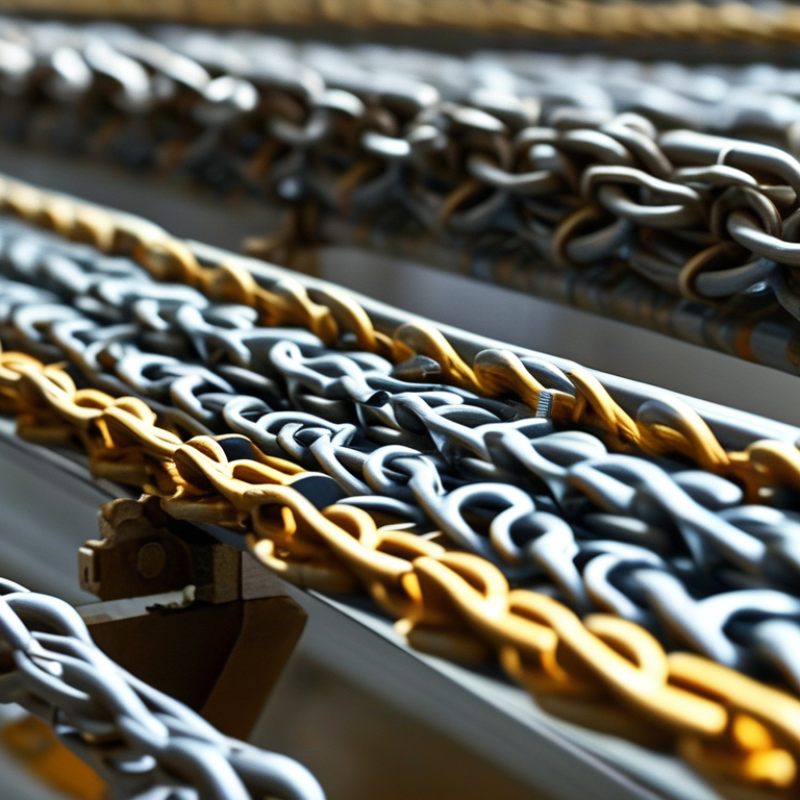
A chain link fence machine is a specialized piece of equipment used to manufacture chain link fencing. This machine automatically weaves metal wire into a strong, durable fabric. It offers efficiency and precision in creating fences. Understanding how it works can help you appreciate its importance in construction and security.
The process begins with coils of wire. These coils are fed into the machine, where they are unwound and cut to specific lengths. As the wire is pulled through, it is woven in a zigzag pattern. This creates the characteristic diamond shape of chain link fencing. Once woven, the fabric is rolled and ready for installation. It's fascinating how technology streamlines this process.
Tips: When choosing a chain link fence, consider factors like height and gauge. The right selection enhances durability. Regular maintenance can prolong the life of your fence. Remember, installation errors can lead to future problems. It's best to assess your options carefully. Ensure your fence meets local regulations before proceeding.
A chain link fence machine is a specialized tool for producing chain link fencing. Its design includes several key components that work together efficiently. Central to the machine is the wire feeding mechanism, which guides the wire to the weaving area. This part is crucial for ensuring a smooth and continuous flow of material.
The weaving mechanism is another vital component. It interlaces the wire strands into a diamond pattern, creating a sturdy mesh. Precision in this part is necessary to maintain the integrity of the fence. Additionally, there are tensioning devices that keep the wire strands taut. Weak tension can lead to a flimsy fence, compromising its strength.
**Tips**: Regular maintenance is essential. Inspect the machine for any wear or damage. Ensuring the components are in good condition can prevent production delays. Operators should be trained adequately to handle these machines. Mishandling can lead to safety hazards and product defects. Understanding the machine’s parts enhances operational efficiency. By knowing how each piece functions, you can improve overall output while reducing waste.
A chain link fence machine is designed to produce chain link fencing with efficiency. The operation begins by feeding rolls of wire into the machine. It organizes the wire into specific lengths, which are crucial for creating the fence. The setup includes a series of rollers and weaving mechanisms that shape the wire into the characteristic diamond pattern of chain link fencing.
As the machine operates, it uses a combination of twisting and weaving processes. These actions form the mesh that will later be attached to the fence posts. The machine relies on precise measurements to ensure that each section of the fence meets standard dimensions. However, variations sometimes occur. These discrepancies can lead to uneven edges or inconsistent spacing, which may require manual adjustments.
Once the chain link is complete, it is cut and stored for installation. Operators must monitor the machine closely for optimal performance. Regular maintenance is vital for avoiding breakdowns. Even minor issues can halt production and waste materials. Understanding this equipment's operation is essential for achieving high-quality output and enhancing overall reliability in fencing projects.
Chain link fence machines are essential tools in the production of durable fencing solutions. They are widely used in various industries, including construction, security, and agriculture. These machines help create chain link fences that are affordable, easy to install, and effective for a variety of applications.
One common application is in residential properties. Homeowners use chain link fences for securing yards, gardens, or pets. They provide a clear boundary while allowing visibility and airflow. In commercial areas, these fences are often installed around parking lots and warehouses to protect premises from trespassers. Furthermore, agricultural settings employ chain link fences to contain livestock and protect crops from wildlife.
While chain link fences are practical, the machines that build them are not without flaws. Producing uneven links or weak joints can lead to durability issues. Additionally, maintenance of the machines can be overlooked, causing operational inefficiencies. Users must remain vigilant about machine upkeep and product quality to ensure optimal results. Such reflections on production processes are vital for anyone involved in this industry.
| Dimension | Details |
|---|---|
| Machine Type | Chain Link Fence Machine |
| Operation Mechanism | Automated weaving and cutting process |
| Material Used | Galvanized steel wire, PVC coated wire |
| Production Speed | Up to 1000 feet per hour |
| Common Applications | Residential fencing, sports field enclosures, industrial security |
| Key Features | Durability, cost-effectiveness, low maintenance |
| Operator Skill Level | Moderate, with training required for setup and maintenance |
Maintaining a chain link fence machine is crucial for optimal performance. Regular checks are essential. Look for signs of wear and tear. Pay attention to moving parts. Lubrication is vital. It keeps the machine running smoothly. Without it, you risk damage. However, over-lubrication can cause problems, too. Striking a balance is key.
Cleaning the machine regularly is another important step. Debris can build up and affect operation. Use compressed air to clear out dust and particles. Inspect the wires and tensioning system. A loose wire can lead to uneven fencing. Tightening and adjusting as needed helps prevent issues.
Documenting any repairs or maintenance tasks is beneficial. This creates a reliable history for reference. If problems arise, knowing what has been done helps troubleshoot. Understanding the machine’s quirks can lead to smoother operation. Inconsistent practices can lead to major setbacks. Stay attentive, and you’ll ensure the longevity of your chain link fence machine.
By using this site you agree to the use of cookies by the company in accordance with the Privacy Policy
Have a questions or want to know more about our company? We'll be expecting you.