By using this site you agree to the use of cookies by the company in accordance with the Privacy Policy
In recent years, the demand for advanced manufacturing technology has surged. Among these technologies, the plate laser cutting machine stands out. It provides unmatched precision and efficiency in cutting various materials. For global buyers, investing in a high-quality laser machine is crucial to stay competitive.
China has become a leading manufacturer of plate laser cutting machines. The country's technological innovations have led to significant advances in this field. However, buyers must carefully assess options. Not all machines meet the same standards, and quality can vary widely. Choosing the right machine requires expertise and thorough research.
While many manufacturers offer promises of high performance, not every product lives up to its claims. Prospective buyers should explore customer reviews and case studies. This can provide insights into real-world performance and reliability. A well-informed choice can lead to increased productivity and reduced operational costs in the long run.
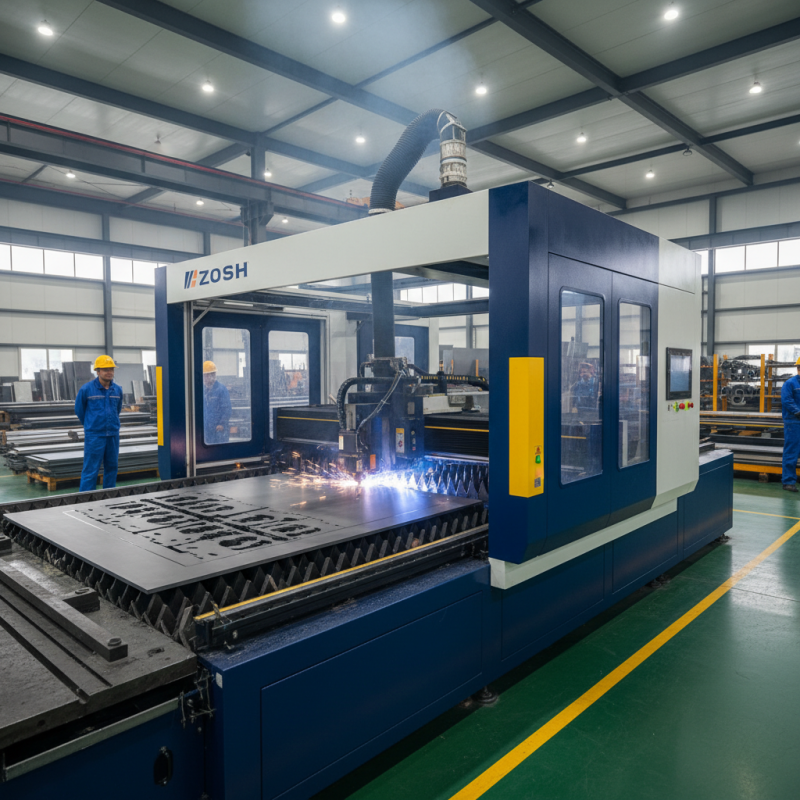
Laser cutting technology has rapidly evolved in China, transforming various industries. According to a recent report by Research and Markets, the Chinese laser cutting machine market is expected to reach $3.5 billion by 2026. This growth reflects the increasing demand for precision and efficiency in manufacturing processes.
Chinese manufacturers utilize advanced technologies such as fiber lasers, which offer high cutting speeds and low operational costs. Remarkably, fiber lasers can cut through materials like stainless steel and aluminum with a thickness of up to 20 mm at much faster rates than CO2 lasers. Data from the China Machine Tool Industry Association indicates that the domestic production of laser cutting machines has surged by 15% annually, highlighting the shift towards local technology adoption.
However, challenges remain. Many manufacturers face issues with consistency and quality control. The reliance on imported components can lead to variations in performance. Also, while prices continue to decrease, not all products meet international standards. This inconsistency can be a point of reflection for global buyers looking for reliable equipment.
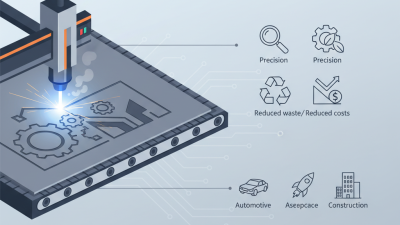
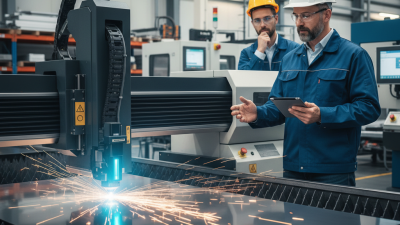
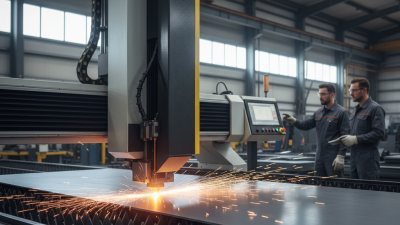
Chinese plate laser cutting machines are gaining attention for their impressive features and advantages. These machines offer high precision and efficiency, making them suitable for various industries. Their ability to cut through thick plates with minimal distortion is a significant perk. Users appreciate the technology’s flexibility, allowing for intricate designs and versatile applications.
One of the key advantages is cost-effectiveness. Many manufacturers in China provide affordable options without compromising quality. This is appealing for startups and established companies alike. However, it is essential to consider potential after-sales support and maintenance services. Some users have reported challenges in communication due to language barriers. Therefore, thorough research before purchasing is crucial.
Additionally, the machines often incorporate advanced automation features. This ensures a seamless workflow and enhances productivity. On the flip side, relying solely on automation can lead to skill gaps in the workforce. Operators may need additional training to handle sophisticated systems effectively. It’s vital to strike a balance between automation and human expertise for optimal results.
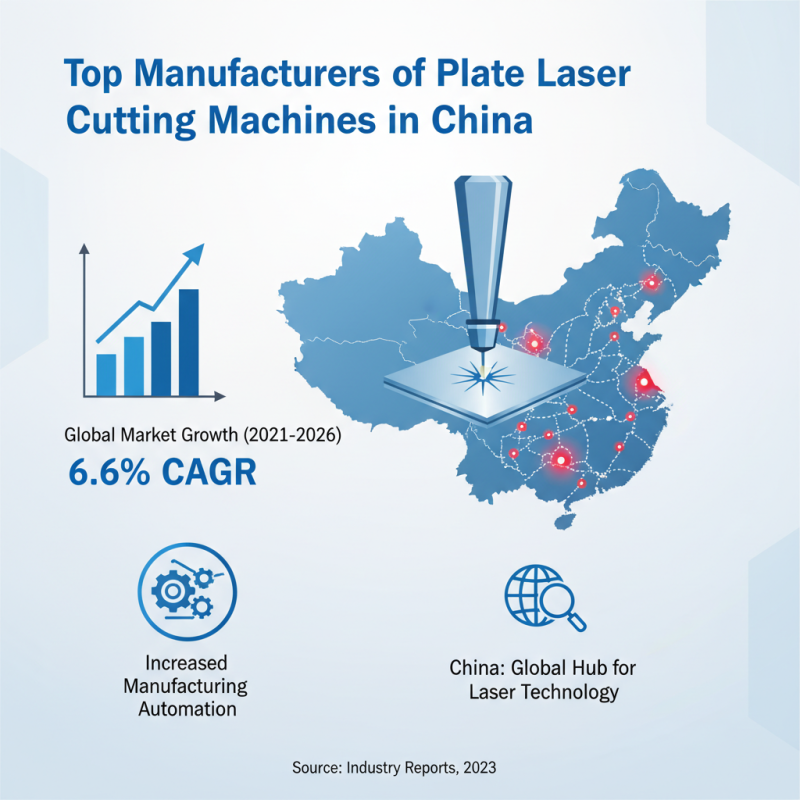
The Chinese market is a hub for plate laser cutting machines. Fast advancements in technology have made China a top destination for buyers around the globe. According to recent industry reports, the global demand for laser cutting machines is projected to grow at a CAGR of 6.6% between 2021 and 2026. This growth is driven by increased automation in manufacturing processes.
Top manufacturers in China focus on precision and efficiency. They offer machines with various power outputs, from 500W to 15kW, catering to diverse material thicknesses. Common materials processed include steel, aluminum, and composite materials. Many manufacturers prioritize customer support and post-sale services, yet some may struggle with delivery times. Feedback commonly reflects both satisfaction and areas for improvement in supply chain management.
Despite being leaders in technology, challenges remain for these manufacturers. Issues like fluctuating raw material costs impact production. Some companies report difficulties in maintaining consistent quality across batches. These factors remind buyers to consider not just price and specifications, but also reliability and manufacturer reputation. Such considerations are crucial when investing in these machines for long-term use.
The demand for plate laser cutting machines has surged globally. This trend reflects the growing need for precision in manufacturing. Industries such as automotive, aerospace, and metal fabrication are adopting this technology. As production processes evolve, the accuracy and speed offered by laser cutting become essential.
However, challenges exist. Not all manufacturers can easily transition to laser technology. Cost factors and the need for skilled operators are significant barriers. Additionally, not every region has access to the latest technology. This discrepancy can lead to uneven market growth and development. The complexity of integrating laser cutting into existing systems also raises concerns among potential buyers.
Despite these challenges, markets are showing resilience. There is an ongoing investment in training and development. The future appears promising as more companies recognize the advantages of plate laser cutting. The continuous improvement in technology will likely drive down costs over time. As demand grows, so will the opportunities for innovation in this field.
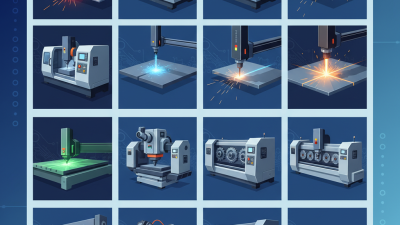
When selecting a laser cutting machine, several factors must be evaluated. The material type plays a crucial role. Steel, aluminum, and plastics all require different settings for optimal results. According to a report by Industry Research, the laser cutting market is expected to grow by over 6% annually. This shows the competitive demand for precise cutting capabilities.
Power output is another essential aspect. Machines with higher wattage can cut thicker materials more efficiently. For instance, a 1000W fiber laser can effectively cut up to 12 mm of steel. However, it may lead to overheating issues if not managed properly. Balancing power and material thickness is vital.
Consider the machine’s software compatibility. Good software enhances operation efficiency but also requires training. Many users report frustrations when software doesn't align with their design programs. This gap highlights the importance of robust support and training resources when investing in a machine. Each of these factors impacts long-term satisfaction and productivity in laser cutting operations.
By using this site you agree to the use of cookies by the company in accordance with the Privacy Policy
Have a questions or want to know more about our company? We'll be expecting you.