What Is the Best China Industrial Digital Camera?
Choosing the best China Industrial Digital Camera requires more than comparing resolution, price, or a glossy product page. In real production, image quality must remain stable under vibration, dust, changing temperatures, and continuous operation. A camera that captures sharp images in a showroom may struggle beside a fast conveyor or bright welding station. The right choice depends on the inspection task, lens, lighting, interface, sensor size, and software compatibility. It also depends on the factory. That part is often overlooked.
China has become a major source of industrial imaging equipment, offering area-scan, line-scan, monochrome, color, USB, GigE, and CoaXPress models. However, technical variety can make selection confusing. Buyers should examine documented specifications, calibration methods, operating temperature, trigger performance, driver support, and warranty terms. Independent testing matters more than marketing language. Ask for sample images.
A reliable evaluation starts with the defect itself. Scratches, missing components, uneven labels, and tiny surface cracks demand different optical setups. Resolution alone cannot guarantee useful inspection results. Pixel size, exposure time, dynamic range, and lighting geometry may matter more. A skilled supplier should explain these trade-offs clearly and provide application evidence, not only a catalogue.
Field experience also reveals practical details. Check connector strength, cable length, heat management, mounting holes, and replacement availability. Confirm whether the camera integrates with your PLC, vision controller, or existing software. Request a trial under production-like conditions. It may expose disappointing results. That is valuable. This guide compares the factors behind a dependable Industrial Digital Camera, including performance, integration, support, and total ownership cost. No single model suits every line.
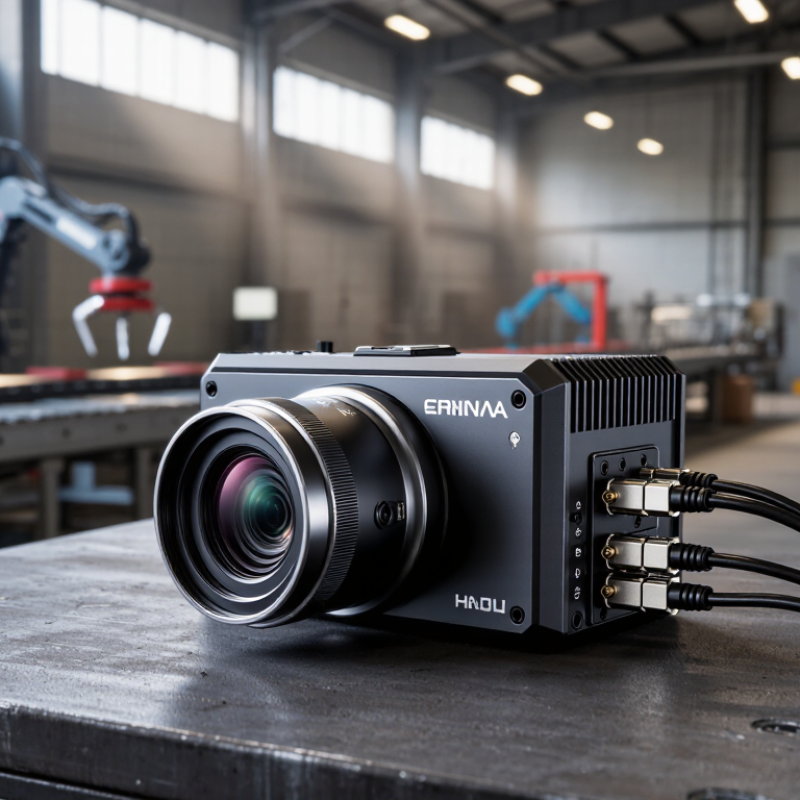
What Defines an Industrial Digital Camera for China-Based Applications
What Is the Best China Industrial Digital Camera?
For China-based applications, an industrial digital camera must match the working environment, not just the resolution chart. A factory floor may include vibration, dust, changing light, and continuous production cycles. Global shutter sensors are useful for moving parts because they reduce image distortion. A stable frame rate also supports reliable inspection.
Connectivity is equally important. GigE, USB3, and other industrial interfaces can fit different machine layouts and cable distances. The camera should provide clear SDK documentation, trigger control, exposure settings, and dependable driver support. Local technical service can reduce downtime when production problems appear. Small details matter.
In field evaluations, I would test the camera with the actual lens, lighting, and inspection speed. A high-megapixel sensor may perform poorly with weak illumination or an unsuitable lens. I once overvalued resolution and underestimated thermal stability. That was a useful mistake. Long-term reliability, heat control, mounting strength, and replacement availability deserve equal attention. China-based users should also verify electrical safety, electromagnetic compatibility, and applicable industry requirements before deployment. The best choice is therefore not a universal model. It is a camera that produces consistent images, integrates cleanly, and remains manageable throughout daily operation.
What Is the Best China Industrial Digital Camera?
The best industrial digital camera for China-based applications is defined by the required interface bandwidth, image resolution, frame rate, synchronization capability, environmental reliability, and compatibility with machine-vision software.
The chart compares commonly used industrial camera interfaces by their nominal maximum data rate. Higher bandwidth can support larger images and faster frame rates, while GigE Vision is often selected when long cable runs and network integration are priorities. The optimal choice depends on the inspection speed, resolution, cable distance, synchronization needs, and factory network design.
Key Features to Compare in China Industrial Digital Cameras
Choosing the best China industrial digital camera starts with the imaging task, not the advertised megapixel count.
Compare sensor size, pixel size, frame rate, and dynamic range. A larger sensor may capture cleaner images under factory lighting. A global shutter is important when parts move quickly on a conveyor. For surface inspection, monochrome imaging can reveal sharper contrast than color.
Check exposure control carefully. Poor control may create bright edges or blurred defects.
Connection performance also deserves close attention. USB 3.0 can suit short cable runs, while Gigabit Ethernet supports longer industrial layouts. Compare real output speed, trigger delay, and data stability rather than theoretical bandwidth.
A camera should provide hardware triggering, reliable synchronization, and clear software documentation. Test the software with your actual inspection program. Compatibility often looks simple on paper, but integration can take longer than expected.
Housing and long-term reliability affect the real purchase cost. Look for solid mounting points, heat management, and suitable protection against dust or vibration.
Ask for temperature testing, calibration procedures, and sample images from similar applications. A useful supplier should explain limitations honestly. No camera performs perfectly in every environment.
Lens choice, lighting angle, and factory vibration can change results significantly. I would also compare warranty terms, replacement availability, and technical response time.
A cheaper camera may become expensive when troubleshooting interrupts production. Reliable documentation matters. Small omissions can cause large delays.
Leading Camera Types for Different Industrial Inspection Tasks
Choosing the best China industrial digital camera starts with the inspection task, not the camera body. Lighting, motion, surface texture, and resolution shape the final result. A camera that works well on a metal bracket may fail on transparent plastic. I once trusted a sharp test image, but glare hid a tiny crack during production. The lighting design was the real weakness.
Area-scan cameras suit discrete parts, labels, screws, and assembled products. They capture a complete frame and usually simplify installation. Line-scan cameras work better for continuous webs, glass sheets, paper, and rolled materials. They build images line by line as objects move. Conveyor speed must match the scan rate. Small timing errors create stretched images. High-speed cameras support fast belts, rotating components, and brief mechanical events. They need short exposure times and strong, even lighting. Otherwise, motion blur remains.
3D cameras add depth information for dents, height differences, and uneven surfaces. Monochrome sensors often reveal fine contrast, while color cameras help inspect printed patterns and product sorting. Infrared cameras can detect temperature differences, but surface emissivity may distort readings. Choose triggering, enclosure protection, interface speed, and software compatibility carefully. More pixels do not always mean better inspection. Test the camera with the actual material, motion, and lighting. This step is easy to skip. It should not be.
How to Evaluate Image Quality, Compatibility, and Reliability
What Is the Best China Industrial Digital Camera?
The best industrial digital camera is not always the one with the highest resolution. Image quality begins with the sensor, lens, lighting, and inspection speed. A 12-megapixel sensor may capture clear edges, but poor lighting can create noise and false defects. Check dynamic range, pixel size, frame rate, and exposure control. Ask for raw sample images, not only polished marketing photos. Small text, metal scratches, and uneven surfaces should remain visible under your actual lighting.
Compatibility can decide whether a camera saves or wastes production time. Confirm the interface, operating system, driver support, and software development kit before purchasing. Test hardware triggering with your controller. Also check cable length and data bandwidth. A camera may work well in a laboratory but fail when connected to a long industrial cable. That happened in one evaluation I reviewed. The camera was capable, but the integration process was not.
Reliability requires evidence beyond a durable-looking housing. Review operating temperature, vibration resistance, connector quality, and cooling design. Request test records and failure-rate information when available. Run the camera continuously with real production images. Watch for dropped frames, rising noise, and unstable exposure. A high-resolution model can still disappoint. I would also inspect replacement procedures and technical support response times. These details are easy to overlook, and that is where many purchasing decisions become less certain.
Selecting the Best China Industrial Digital Camera for Your Needs
Selecting the best China industrial digital camera requires more than comparing resolution and price. Start with the inspection task. A 12-megapixel sensor may reveal tiny surface defects, yet it can overload storage and slow image transfer. For moving parts, global shutter is usually safer than rolling shutter. Check exposure time, pixel size, frame rate, spectral response, and lens compatibility.
Industry demand supports careful evaluation. The International Federation of Robotics reported 276,288 industrial robot installations in China during 2023, representing about 51% of global installations. MarketsandMarkets projects the global machine vision market to grow from about USD 13.2 billion in 2023 to USD 20.9 billion by 2028. These figures suggest growth, but they do not prove every camera suits every factory.
In practical trials, test the camera beside your actual conveyor, lighting, and software. Ask for EMVA 1288 measurements, not only marketing resolution. Verify USB3, GigE, or CoaXPress performance under continuous operation. Confirm SDK documentation, trigger latency, temperature range, enclosure rating, and calibration support. A dusty workshop exposes weak sealing quickly. Small details matter.
Do not ignore service quality. A lower purchase price can become expensive when replacement units arrive slowly. Request sample images from your material, including dark metal, reflective surfaces, and fast motion. I would also test ten consecutive production shifts. That may sound excessive. It is not. Specifications can look perfect, while real images still show noise, blur, or unstable color.


