How to Choose the Best Wafer Roll Machine for Your Business?
Choosing the right Wafer Roll Machine is crucial for any business in the confectionery industry. According to a report by ResearchAndMarkets, the global market for wafer products is projected to grow significantly, with an expected increase of over 5% annually. This growth highlights the importance of selecting a machine that meets the specific needs of your production line.
When considering a Wafer Roll Machine, various factors emerge. Efficiency, machine durability, and ease of operation often play pivotal roles in decision-making. However, many businesses overlook the importance of after-sale support and maintenance. A machine may seem perfect on paper but can become a liability if reliable support isn’t available.
It's worth noting that choosing the wrong machine could lead to increased downtime and production costs. The industry faces challenges, including rising raw material prices and supply chain disruptions. Thus, making an informed decision is more important than ever. Your choice should balance performance, cost, and flexibility to adapt to market demands.
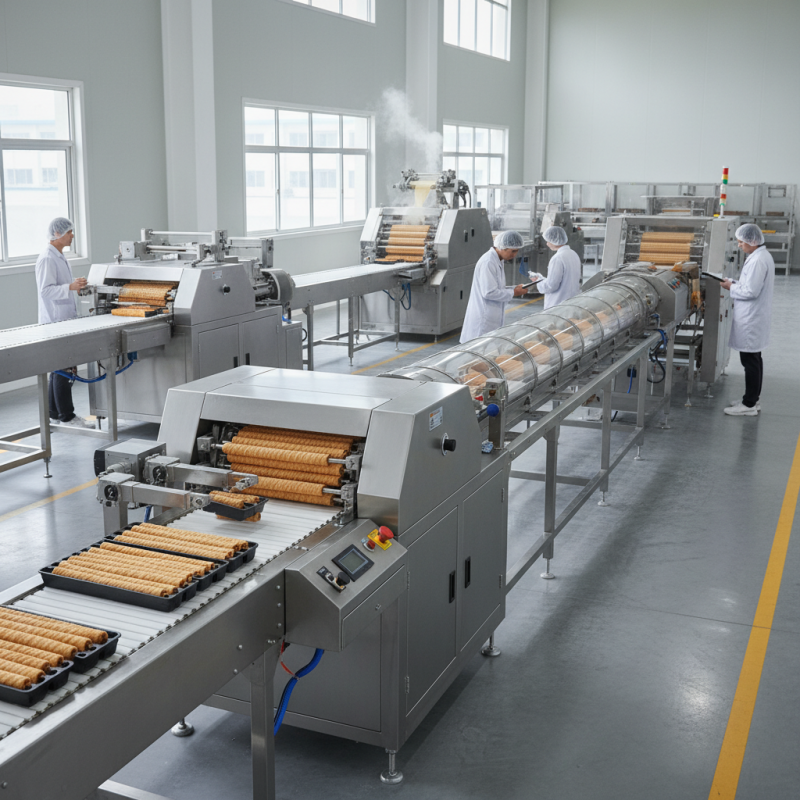
Understanding the Different Types of Wafer Roll Machines
When selecting a wafer roll machine, it's crucial to understand the types available. Typically, there are three main categories: manual, semi-automatic, and fully automatic machines. Manual machines require more hands-on work but may be cost-effective for small businesses. Semi-automatic machines offer a balance, allowing for some automation while still requiring operator intervention. Fully automatic machines provide the highest efficiency, suitable for large-scale production. Each type has its benefits and drawbacks, depending on your business needs.
One important tip is to assess your production volume. If you expect high demand, a fully automatic machine may be worth the investment. However, if you're starting out, a manual or semi-automatic machine might suffice. Ensure you analyze your workflow to make an informed choice.
Don’t forget to consider maintenance and longevity. Cheaper machines might save money upfront but could require frequent repairs. This can lead to downtime. It's better to choose a reliable machine that fits your budget while ensuring quality. Investing in sturdier equipment can prevent future losses and enhance productivity. Reflect on how often you plan to use the machine and your long-term goals for production. Make this decision wisely.
Wafer Roll Machine Types and Their Capabilities
Evaluating Production Capacity and Speed for Your Business Needs
When evaluating production capacity and speed for a wafer roll machine, several factors come into play. The capacity often depends on the machine’s size and complexity. A typical machine can produce between 300 to 600 pieces per hour. This output varies significantly based on design and operational efficiency.
Beyond mere output, speed is crucial. A machine running at 500 pieces per hour might seem optimal, yet inconsistency in wafer quality can lead to waste. According to a report by a leading industry group, approximately 15% of production can be lost to errors. Therefore, looking for equipment that balances speed with quality control is essential.
Investing in technology that can adapt as production needs change can be beneficial. For instance, machines with integrated sensors can monitor output quality in real-time. However, these features might result in increased costs and require thorough training for staff. Weighing these trade-offs is key to making an informed decision.
Assessing the Quality and Consistency of Wafer Roll Output
When choosing a wafer roll machine, quality and consistency are paramount. These two factors ensure that your final products meet customer expectations. Examine the machine’s output closely. A machine that offers uniform thickness and texture in each wafer roll is essential. Inconsistencies can lead to customer dissatisfaction and impact your brand's reputation.
**Tips:** Regularly test the output during production. Adjusting settings can help achieve optimal results. Consider the frequency of maintenance too, as worn-out parts can affect quality.
Evaluate how the machine handles different recipes. Some machines may excel with certain ingredients but produce poor results with others. This limitation can restrict your product line. Factor this into your decision-making process.
**Tips:** Keep a record of your testing. Note any patterns in quality variation. This data will guide your machine selection and future improvements. Always remember that technology alone won’t guarantee success; hands-on experience and adjustments are necessary for consistent output.
Comparing Costs: Initial Investment vs. Long-Term Benefits
When comparing costs for a wafer roll machine, the initial investment is just one piece of the puzzle. The upfront payment may seem steep, but consider the long-term benefits. A high-quality machine can last for years. It provides efficiency and consistency, which means higher production rates. This can significantly reduce your operational costs over time.
Tips: Assess your production needs before purchasing. Analyze how quickly you can recoup your costs. Don't overlook maintenance costs either; they can add up.
Sometimes, cheaper machines may appear attractive. However, they often lead to higher operational costs. Frequent breakdowns and repairs can impact your bottom line. Investing in a reliable machine typically pays off, but ensure it aligns with your business goals.
Tips: Look for warranties and customer support options. These can save you time and money in the long run. Prioritize machines that offer energy efficiency as well; they’re often more cost-effective over time.
Considering Maintenance and Support Services for Equipment Reliability
When selecting a wafer roll machine, considering maintenance and support services is crucial for ensuring equipment reliability. The machine's uptime directly affects production. Reports indicate that unplanned downtime can cost manufacturers an average of $22,000 per hour. Proper support can mitigate these risks significantly.
Tip: Always review the warranty and service agreement. A good warranty can save money on unexpected repairs. Look for a provider that offers on-site support. Fast response times can minimize production delays.
Regular maintenance is essential. Scheduled check-ups can prevent small issues from becoming costly breakdowns. The right support services can offer training for your team. This increases operational efficiency and enhances safety in your production environment.
Tip: Keep a maintenance log. It helps track service history and identify recurring issues. Reflect on the performance of support services. Are they meeting your expectations? Engaging with them regularly can lead to improvements.


