Why Choose Thermal Magnetic MCCB for Your Electrical Needs?
In the evolving landscape of electrical systems, choosing the right protection device is crucial. Thermal Magnetic MCCB, or Molded Case Circuit Breakers, offer a unique blend of features that set them apart. According to a report by MarketsandMarkets, the global MCCB market is expected to reach $3.52 billion by 2026, reflecting an increasing reliance on advanced circuit protection technologies.
Thermal Magnetic MCCB integrates thermal and magnetic trip mechanisms, ensuring efficient overload and short-circuit protection. This dual-functionality enhances reliability in industrial and commercial applications. The International Electrotechnical Commission emphasizes that using appropriately rated MCCBs can prevent costly downtime and ensure system stability.
However, not all Thermal Magnetic MCCBs are created equal. It's vital to evaluate their specifications, such as breaking capacity and environmental factors. Users often overlook these details, potentially compromising safety and performance. Selecting the correct Type and brand is essential to mitigate risks and maximize operational efficiency.
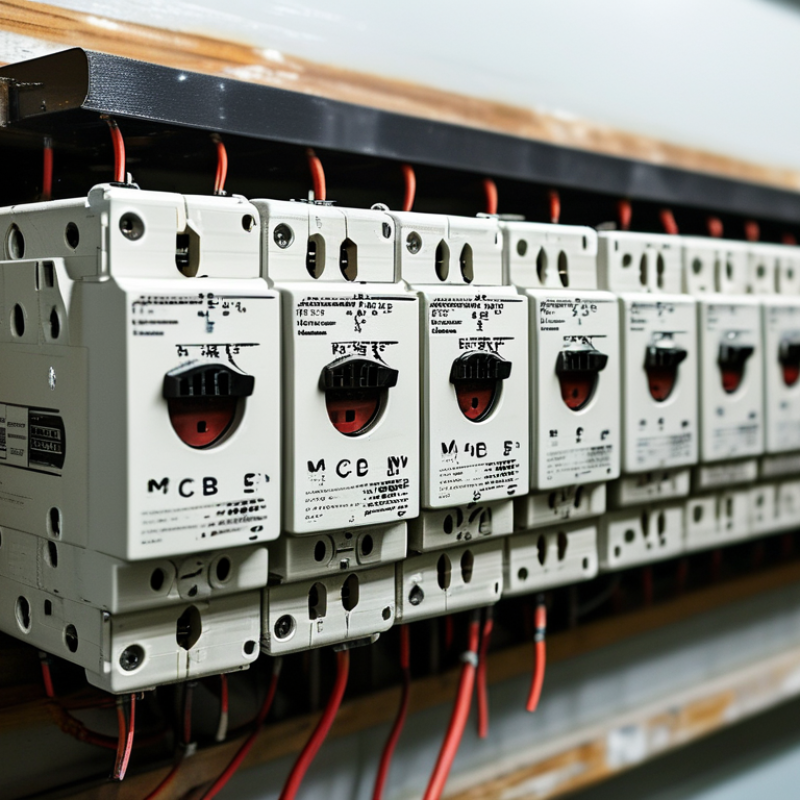
Understanding Thermal Magnetic MCCB: Definition and Functionality
Thermal Magnetic MCCB (Molded Case Circuit Breakers) are essential for electrical systems. These devices combine thermal and magnetic protection. They prevent overloads and short circuits effectively. The thermal component responds to prolonged overloads. It uses a bimetallic strip that bends with heat. When the temperature rises, the strip triggers the mechanism. This helps avoid damage to equipment.
The magnetic function serves a different purpose. It reacts quickly to short circuits. A sudden surge in current creates a magnetic field. This field activates the trip unit, disconnecting the circuit. This dual-action mechanism is crucial for system safety. Users can set the trip settings according to their needs. However, calibration and regular checks are necessary. Improper settings can lead to nuisance tripping or equipment failure.
Understanding the functionality of Thermal Magnetic MCCB enhances reliability. However, maintenance can be complex. Regular inspections demand expertise to ensure effectiveness. Consequently, awareness of their operation is vital for electrical safety. The balance between protection and sensitivity requires ongoing reflection. Adopting best practices in installation and monitoring fosters a secure electrical environment.
Thermal Magnetic MCCB Performance Comparison
This bar chart illustrates the performance specifications of Thermal Magnetic MCCBs across various dimensions, including current rating, fault protection, response time, and operational temperature range. These elements are critical in determining the suitability of MCCBs for specific electrical applications.
Key Advantages of Thermal Magnetic MCCB in Electrical Systems
Thermal Magnetic Molded Case Circuit Breakers (MCCBs) are crucial in modern electrical systems. They combine thermal and magnetic trip mechanisms for effective protection. According to industry reports, MCCBs account for over 30% of the global circuit protection market, showcasing their importance.
One key advantage of Thermal Magnetic MCCBs is their ability to respond to overloads and short circuits efficiently. The thermal trip mechanism offers a delayed response for overloads. This feature helps prevent nuisance tripping during temporary surges. The magnetic trip, on the other hand, reacts instantly to short circuits. This dual protection ensures the safety of electrical installations.
Data from a recent study indicates that Thermal Magnetic MCCBs can trip within 5 milliseconds under short circuit conditions. This rapid response significantly reduces potential damage to equipment. However, the reliance on ambient temperature can sometimes lead to inaccuracies. Users must regularly check the installation conditions for optimal performance. Despite these challenges, the reliability of Thermal Magnetic MCCBs continues to position them as a preferred choice for electrical systems.
Why Choose Thermal Magnetic MCCB for Your Electrical Needs? - Key Advantages of Thermal Magnetic MCCB in Electrical Systems
| Advantage | Description |
| Wide Range of Applications | Thermal magnetic MCCBs can be used in various electrical systems, making them versatile for numerous applications. |
| Reliable Protection | They provide reliable protection against overloads and short circuits, ensuring safety in electrical systems. |
| Quick Response | The thermal magnetic mechanism allows for a rapid response to fault conditions, minimizing damage. |
| Adjustable Settings | They often include adjustable settings for trip current and time delays, offering flexibility to users. |
| Space Efficiency | Thermal magnetic MCCBs are generally compact, helping save valuable space in electrical panels. |
| Cost-Effective Solution | They provide an economical solution for circuit protection without compromising quality or reliability. |
| Ease of Maintenance | These devices are easy to maintain and service, contributing to lower overhead costs. |
Applications of Thermal Magnetic MCCB in Various Industries
Thermal magnetic molded case circuit breakers (MCCBs) are widely used across various industries due to their unique features. In manufacturing, they provide essential protection against overloads and short circuits. According to a recent market report, the global MCCB market is expected to reach $7.5 billion by 2027, indicating a growing reliance on such technology.
In the construction sector, thermal magnetic MCCBs are crucial for ensuring the safety of electrical systems. These devices can trip at different thresholds, allowing for flexibility in design. Additionally, their ability to operate effectively in extreme conditions enhances their appeal. Data shows that improper circuit protection can lead to significant downtime, with an estimated 30% of operational failures linked to electrical issues.
The automotive industry also benefits greatly from thermal magnetic MCCBs. They ensure reliable operation in electric vehicles and hybrid systems, where stability is key. However, challenges exist. Some installations may underperform due to improper calibration or environmental factors. Regular maintenance and checks are vital to avoid these pitfalls. Understanding the nuances of these devices can help industries maximize safety and efficiency.
Comparing Thermal Magnetic MCCB with Other Circuit Breakers
When choosing a circuit breaker, understanding the differences is crucial. Thermal magnetic MCCBs (Miniature Circuit Breakers) combine thermal and magnetic protection effectively. The thermal mechanism safeguards against overloads, while the magnetic component protects against short circuits. This dual-protection system enhances reliability and safety in electrical applications.
In comparison with traditional circuit breakers, thermal magnetic MCCBs offer unique advantages. They are more sensitive to varying currents, allowing quicker response times. This could prevent equipment damage. Other breakers may lack this dual-action response, leading to potential hazards. Also, thermal magnetic MCCBs have a broader range of current ratings, making them versatile for diverse electrical setups.
While they excel in many areas, it’s essential to consider installation requirements. Proper calibration is key to optimizing performance. Users may find initial setup challenging, necessitating professional expertise. However, once configured, these breakers typically yield long-term reliability. Reflecting on these factors can aid informed decisions when selecting the right protection for electrical systems.
Maintenance and Safety Considerations for Thermal Magnetic MCCB
Thermal magnetic MCCBs play a crucial role in electrical safety. Understanding their maintenance and safety considerations can prevent failures. Regular inspections are vital. Check connections for signs of wear or corrosion. Accumulated dust can hinder performance. Periodic cleaning can mitigate this risk.
Overheating is another concern. Ensure that the MCCB does not exceed its specified temperature limits. Install thermal monitoring devices to track performance under various conditions. This helps to catch potential issues early.
Furthermore, an effective training program for personnel is essential. Team members should be familiar with MCCB functions and emergency protocols. Regular drills can help maintain readiness. Moreover, documenting maintenance activities creates a reliable history. This builds confidence in the system's integrity. Continuous education about evolving electrical safety standards is also necessary.


