en
Get in touch

How to Choose the Best Laser Metal Machine for Your Needs?

Choosing the right laser metal machine for your business can significantly impact your productivity. The global metalworking machinery market is projected to reach over $80 billion by 2025, highlighting the growing importance of effective equipment. Companies need a machine that meets specific production demands and quality standards.

Advanced laser technology has transformed metal fabrication. A reliable laser metal machine can deliver precision cuts and smooth finishes. According to industry reports, automation can improve efficiency by up to 30%. However, not all machines are created equal. Evaluating options based on power, speed, and material compatibility is vital.

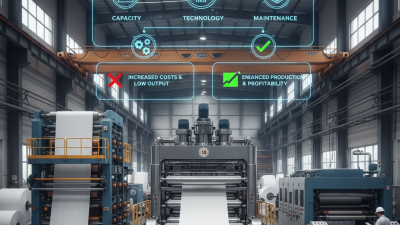
Investing in a laser metal machine can be challenging. Factors such as maintenance costs and training needs require careful consideration. Business owners often overlook these elements. The wrong choice can lead to downtime and increased expenses. Understanding your unique needs is essential for making an informed decision.

How to Choose the Best Laser Metal Machine for Your Needs?

Understanding Different Types of Laser Metal Machines Available

When choosing a laser metal machine, understanding the types available is crucial. There are primarily three categories: fiber lasers, CO2 lasers, and Nd:YAG lasers. Fiber lasers are known for their efficiency and speed, making them ideal for metals such as steel and aluminum. According to a market report by Fortune Business Insights, the fiber laser industry is projected to grow significantly, driven by increased automation in manufacturing sectors.

CO2 lasers work effectively with non-metal materials but can cut metal with reduced efficiency. These machines are often versatile, but they may not meet high-precision demands like fiber lasers. In contrast, Nd:YAG lasers are best for specific applications, such as small-scale cutting and engraving. Understanding these distinctions helps tailor your choice to specific production goals.

Tip: Determine your primary material and application before purchasing. This will guide your decision on the laser type to ensure it meets both efficiency and quality requirements. Additionally, consider the maintenance and operational costs associated with each type. It is essential to evaluate overall long-term value rather than focusing solely on initial costs. This reflection can help prevent future operational challenges.

How to Choose the Best Laser Metal Machine for Your Needs?

Machine Type Laser Power (W) Material Types Cutting Precision (mm) Typical Applications
Fiber Laser Cutter 1000 - 8000 Steel, Aluminum, Brass 0.1 - 0.5 Metal Fabrication, Automotive Parts
CO2 Laser Cutter 40 - 1500 Acrylic, Wood, Non-Metals 0.1 - 1.0 Sign Making, Decorative Parts
Nd:YAG Laser Cutter 50 - 1000 Steel, Copper, Titanium 0.05 - 0.15 Jewelry, Medical Devices
Hybrid Laser Cutter 2000 - 6000 Stainless Steel, Aluminum 0.1 - 0.3 Sheet Metal, Aerospace Parts

Key Features to Consider When Choosing a Laser Metal Machine

When choosing a laser metal machine, several features must be evaluated to ensure it meets your specific needs. Power is a critical factor. Higher wattage allows for faster cutting and thicker material processing. Consider the thickness you typically work with. Some machines excel with thin sheets, while others handle thicker metals. It’s essential to align your projects with the machine’s capabilities.

Laser type also plays a vital role. CO2 lasers are versatile for non-metal materials but less effective on metal. Fiber lasers, on the other hand, are efficient for various metal types. Speed and precision matter too. Machines with advanced optics provide cleaner cuts and reduce post-processing effort. Effective cooling systems prolong the machine's lifespan, minimizing downtime.

Software compatibility is another key consideration. Most machines come with design software, but check its usability for your workflows. User interface simplicity can significantly impact operational efficiency. Always reflect on your long-term needs. Investing in a machine that’s too advanced or unnecessary can lead to regret. Balancing current requirements with future growth is crucial. Aim for reliability and support in your purchase.

Assessing Your Material Compatibility for Laser Cutting and Engraving

How to Choose the Best Laser Metal Machine for Your Needs?

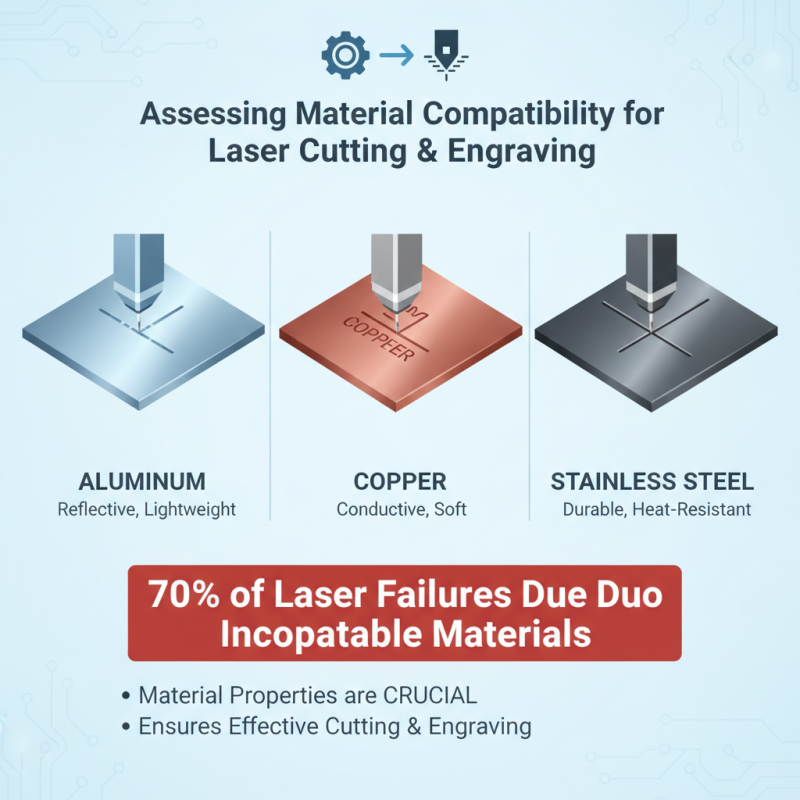
When selecting a laser metal machine, material compatibility is crucial. Various metals like aluminum, copper, and stainless steel have unique properties. Understanding these properties ensures effective cutting and engraving. According to industry reports, nearly 70% of laser failures occur due to incompatible materials.

Aluminum, often used in aerospace, poses challenges. Its thermal properties can lead to warping or burn marks. Users must choose machines with appropriate power settings. Copper, highly reflective, demands specialized lasers to avoid energy loss. This adds complexity to choosing the right equipment.

It is important to consider thickness; thinner materials may be easier to cut but can lead to more errors. Some users underestimate the importance of speed settings. Slower speeds can result in better results; however, they can also increase processing time. The right balance is essential for high-quality output. Understanding your materials will guide your choice, impacting both efficiency and finish quality.

Evaluating Budget and Cost-Effectiveness in Your Equipment Selection

When considering a laser metal machine, budget and cost-effectiveness are crucial. The initial cost often attracts buyers, but the hidden expenses can come later. Equipment maintenance, consumables, and energy consumption all add up. A cheap machine may require frequent repairs, leading to higher long-term costs.

Exploring financing options can also help. Many manufacturers offer leasing or financing plans. This can alleviate the burden of a large upfront payment. Be wary, though. Evaluate the total cost of ownership over time, not just the sticker price. Sometimes, investing in a more expensive machine can result in better reliability and lower operational costs.

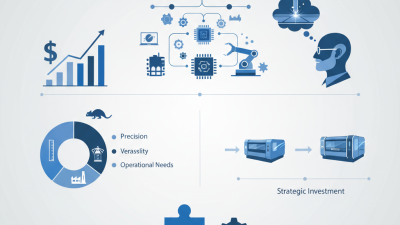
It’s essential to conduct a needs analysis based on production requirements. Consider factors like power, speed, and material compatibility. An ideal machine meets your needs today and accommodates future growth. However, the right choice often demands reflection on your production goals and operating budget. Balancing these aspects ensures a more prudent investment in your equipment.

Maintenance and Support Options for Long-Term Reliability and Use

Choosing the right laser metal machine involves more than just initial features. Maintenance and support play a critical role in ensuring long-term reliability. According to a report by the International Society for Advanced Manufacturing, regular maintenance can increase machine lifespan by up to 30%. Neglecting upkeep can lead to costly downtime and repairs.

Tips: Schedule routine inspections. Keep a maintenance log. This helps track service history and spot issues early.

Support options also matter. Some manufacturers offer comprehensive service packages. These can include troubleshooting, software updates, and parts replacement. A study from the Laser Institute of America indicates that machines with access to technical support had 40% less downtime compared to those without. Understanding these aspects can significantly impact your operational efficiency.

Tips: Evaluate support offerings before purchase. Consider response times and availability of remote assistance. Assess whether you need on-site support based on your production schedule.

Laser Metal Machine Selection Criteria

We value your privacy.

By using this site you agree to the use of cookies by the company in accordance with the Privacy Policy

Have a questions or want to know more about our company? We'll be expecting you.