By using this site you agree to the use of cookies by the company in accordance with the Privacy Policy
Choosing the right Industrial Control Cable is essential for any automation project. It impacts performance and safety. The variety of options can be overwhelming. Different applications require different specifications, which adds to the confusion.
Understanding the unique needs of your system is critical. Factors like environment, temperature, and installation type play vital roles. There's no one-size-fits-all solution. A poor choice can lead to failures, unexpected costs, and safety hazards.
It's important to consult experts and gather insights. Doing research on cable types helps make informed decisions. Always prioritize quality and reliability. In the end, your choice of an Industrial Control Cable can significantly affect your project’s success. It's worth taking the time to choose wisely.
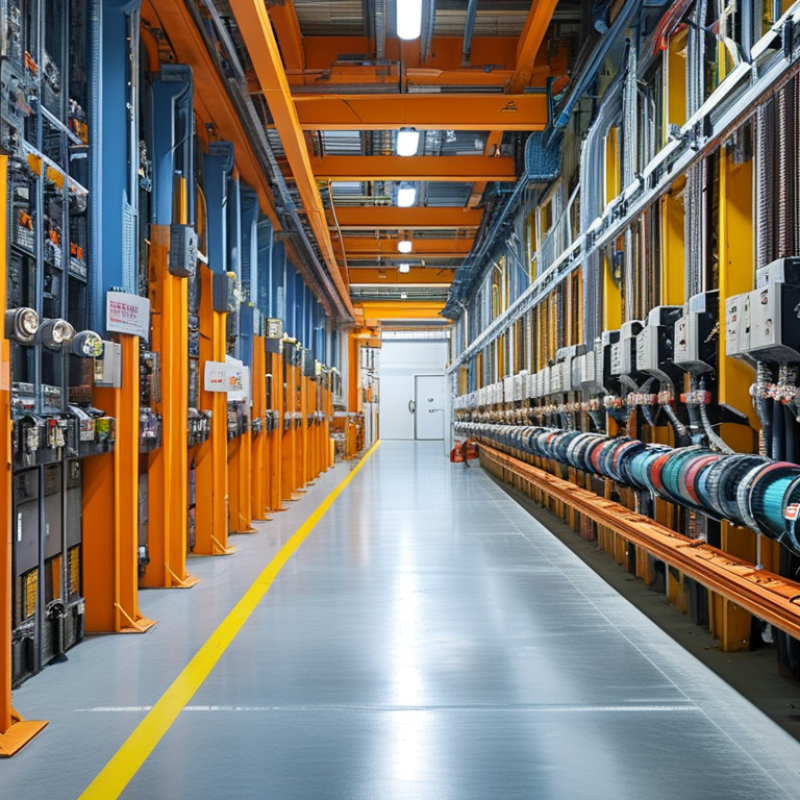
Industrial control cables are essential for automated systems. These cables connect various devices and ensure seamless communication. Understanding their basics can make a significant difference in your selection process.
Key factors include cable type, insulation, and rating. For instance, a shielded cable offers better protection against interference. The choice between twisted pairs and multi-conductor cables also affects signal integrity. Knowing the environment where the cable will be used is equally crucial. Will it face extreme temperatures or moisture? These elements can influence durability.
Many overlook the importance of proper installation. Bending or twisting cables beyond recommended limits can lead to failure. Regular inspection and maintenance are equally important. Even high-quality cables can fail if not cared for correctly. It's essential to educate yourself continuously and reflect on your choices in real-world applications. Understanding these fundamentals can enhance your decision-making process.
| Cable Type | Conductor Material | Insulation Material | Temperature Rating (°C) | Application |
|---|---|---|---|---|
| Control Cable | Copper | PVC | -20 to 90 | General industrial control |
| Flexible Control Cable | Copper | Rubber | -40 to 60 | Robotic applications |
| Shielded Control Cable | Copper | XLPE | -20 to 90 | Sensitive signal applications |
| Low Voltage Control Cable | Aluminum | PVC | -15 to 70 | Power distribution |
| High Temperature Control Cable | Copper | Silicone | -40 to 150 | High temperature environments |
When selecting the best industrial control cable, understanding your specific application requirements is essential. Factors like temperature range, oil resistance, and exposure to chemicals are crucial. According to a market report by Research and Markets, 45% of industrial cable failures are attributed to improper selection for environmental conditions. This highlights the importance of evaluating the working environment before purchasing cables.
Consider the installation site. If the cable will run through areas with high electromagnetic interference (EMI), shielded cables may be necessary. For applications in high-temperature environments, select cables rated for those conditions. The National Electrical Manufacturers Association (NEMA) indicates that using the wrong cable can lead to degradation of performance. It’s vital to analyze the specific needs of your operations.
Moreover, the complexity of industrial systems increases the chances of mistakes. Installing a cable that does not meet resistance standards can result in system failures. A study from the International Electrotechnical Commission revealed that only 60% of installations meet required specifications on the first attempt. Regular reviews and assessments of your current setup can help to avoid these issues, ensuring compliance with performance standards.
When choosing an industrial control cable, understanding cable types and their attributes is crucial. Different cables serve specific purposes. For instance, shielded cables protect against electromagnetic interference. This is vital in environments full of machinery. Meanwhile, unshielded cables may be sufficient in less demanding settings.
Cable construction matters, too. Some cables have multiple conductors, enhancing flexibility and allowing complex configurations. Others feature thicker insulation, providing durability against abrasion and harsh conditions. With different conductor materials, copper cables offer excellent conductivity but may come at a higher price. Aluminum cables weigh less and are more cost-effective but might not perform as well in some applications.
Evaluating temperature ratings is also important. Cables rated for high temperatures are essential in industrial settings. Low-temperature cables prevent brittleness in cold environments. Understanding these attributes helps to avoid costly mistakes. Neglecting to choose the right cable can lead to downtime or even safety hazards. Always consider the specific requirements of your application before making a final decision. The right choice will ultimately enhance system performance and longevity.
This bar chart compares different types of industrial control cables based on their temperature resistance and flexibility rating. It helps in evaluating which cable type may suit specific industrial applications better.
When choosing industrial control cables, environmental considerations play a crucial role. Different environments can impact cable performance significantly. Factors like temperature, humidity, chemical exposure, and physical wear all matter. For outdoor applications, UV resistance is another concern. Selecting an inappropriate cable can lead to untimely failures or costly downtime.
Tips: Identify the specific environmental challenges your cable will face. Analyze factors like temperature extremes and moisture levels.
Additionally, consider flame resistance. In some settings, cables must comply with strict fire safety regulations. Non-compliant cables can pose health risks during fires. Always check local codes and standards for cable installation.
Tips: Review the installation area for fire hazards. Consult with experts when unsure about specific requirements.
Think about mechanical stress, too. Cables may experience bending, twisting, or abrasion in active workspaces. Using a cable not designed for such stresses can lead to rapid deterioration.
Tips: Ensure the cable’s construction matches your environment. Read product specifications attentively to avoid mismatches.
When selecting industrial control cables, compliance and standards are crucial. Different environments demand specific cable characteristics. These can include temperature resistance, chemical exposure, and electromagnetic interference. Understanding the relevant standards ensures reliability and safety.
It’s vital to check certifications like the National Electrical Code (NEC) and international standards such as IEC or ISO. These guidelines help you verify that the cable meets specific performance requirements. Not all cables are tested under identical conditions. Misleading labels can lead to costly mistakes.
Tips: Always ask for documentation when considering a cable. This includes material safety data sheets (MSDS) and test reports. Keep in mind that cables designed for heavy-duty use often come with higher costs. However, they may offer better durability and lower maintenance in the long run.
Choosing the right cable isn't straightforward. You might need to weigh performance against cost. It’s not always easy to align technical specifications with project needs. Be prepared for adjustments as you analyze your options.
By using this site you agree to the use of cookies by the company in accordance with the Privacy Policy
Have a questions or want to know more about our company? We'll be expecting you.