How to Choose the Best Stainless Steel Laser Cutting Machine for Your Needs
When it comes to selecting the right stainless steel laser cutting machine for your specific needs, the choices available can be overwhelming. As industry expert Dr. Emily Chen, a renowned mechanical engineer specializing in laser technology, asserts, "The right stainless steel laser cutting machine can significantly enhance productivity and precision in manufacturing processes." This reflects the necessity of understanding the unique requirements of your operations before making a decision.
In today’s competitive landscape, businesses seeking to optimize their production capabilities must consider several factors when choosing a stainless steel laser cutting machine. These factors include cutting speed, precision, operational cost, and the machine's compatibility with existing production lines. With advancements in laser technology, machines now offer a range of features that can greatly influence your final decision, making it imperative to carefully evaluate your options.
Ultimately, investing in a stainless steel laser cutting machine is a crucial step for any manufacturer aiming to improve efficiency and quality. By taking the time to research and understand your specific needs, you will be better positioned to choose a machine that aligns with your production goals and drives your business forward.
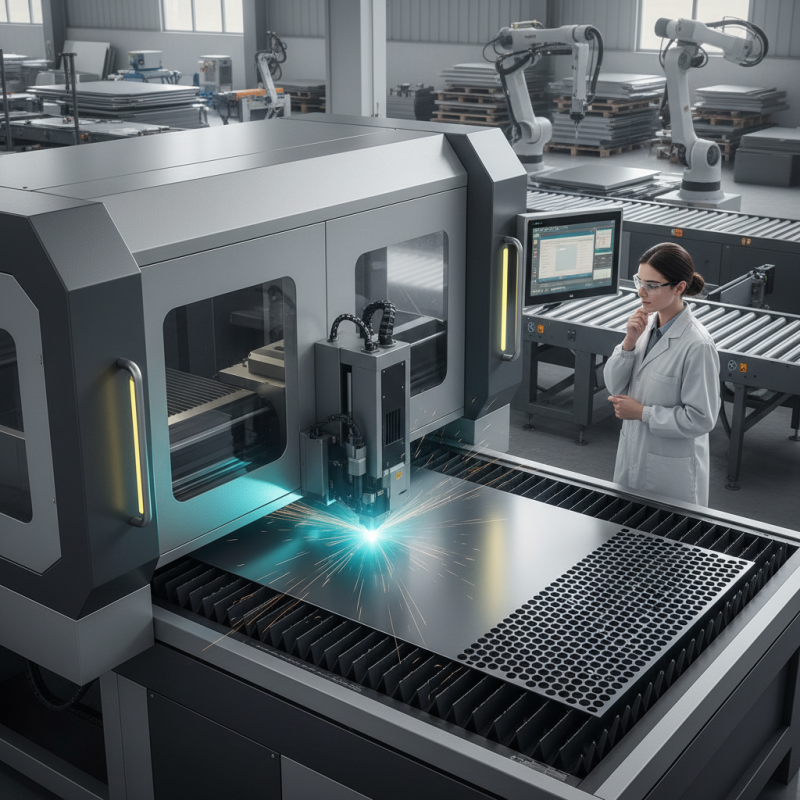
Factors Affecting the Selection of Stainless Steel Laser Cutting Machines
When selecting a stainless steel laser cutting machine, several critical factors come into play that can greatly influence the decision-making process. One of the foremost considerations is the machine's power and cutting speed. Studies show that the cutting power directly affects the thickness of the material that can be processed effectively; for instance, a 2 kW laser can cut stainless steel up to 6 mm thick, while a 10 kW laser is capable of processing thicker materials, exceeding 20 mm. Thus, understanding the specific applications and material thickness required for your projects is essential in determining the ideal machine specifications.
Another essential factor is the machine's precision and repeatability. According to a report by the Laser Institute of America, laser cutting technology can achieve tolerances as tight as ±0.1 mm, which is critical for industries requiring high accuracy in their components, such as aerospace and automotive. Additionally, consider the type of laser used—fiber lasers offer faster cutting speeds and improved efficiency compared to CO2 lasers, making them more suitable for high-volume production environments. Evaluating these parameters in conjunction with your workload, production speed requirements, and budget will enable you to choose a machine that not only meets your current needs but also adapts to future demands in stainless steel processing.
Key Specifications to Consider for Your Stainless Steel Laser Cutter
When selecting a stainless steel laser cutting machine, understanding the key specifications is crucial for making an informed decision. One of the primary specifications to consider is the laser power, typically measured in watts. Higher wattage allows for faster cutting speeds and the ability to handle thicker materials. However, it’s essential to match the laser power with the thickness of the stainless steel you intend to cut, ensuring efficient operation without excessive energy consumption.
Another important factor is the cutting speed, which can significantly affect productivity. This speed is influenced not only by the laser power but also by the cutting head's design and the machine's overall setup, including the control software and motion system. Additionally, consider the cutting area size, as it determines the maximum sheet dimensions you can work with. If your projects require intricate designs, precision is also a vital specification, which can be influenced by the machine's optical components and motion control accuracy.
Lastly, evaluate the usability features of the machine, such as its ease of operation and maintenance. A user-friendly interface can enhance workflow efficiency, while features like auto-focus and real-time monitoring contribute to optimal performance and safety. By carefully considering these specifications, you can choose a stainless steel laser cutting machine that meets your specific needs and enhances your production capabilities.
Understanding Different Laser Technologies in Stainless Steel Cutting
When it comes to cutting stainless steel, selecting the right laser technology can significantly impact the efficiency and quality of your work. The most common types of lasers for stainless steel cutting include CO2 lasers, fiber lasers, and hybrid lasers, each offering unique advantages. CO2 lasers are known for their ability to cut thicker materials and provide excellent edge quality. However, they can be less efficient for thinner sheets compared to fiber lasers, which excel at speed and precision. Fiber lasers are particularly effective for thin to medium-thick applications, producing cleaner cuts and reducing the need for post-processing.
Tips for Choosing the Right Laser Technology:
1. Consider the thickness of the stainless steel you frequently work with. For thicker materials, CO2 lasers may be more suitable, while fiber lasers are ideal for cutting thinner sheets.
2. Pay attention to the required cutting speed and quality. If you're working on high-volume production, a fiber laser's efficiency could significantly enhance your productivity.
3. Evaluate maintenance requirements, as different laser technologies may demand varying levels of upkeep. Fiber lasers typically have lower maintenance costs due to their solid-state design.
Understanding these different laser technologies can help you make a well-informed decision that aligns with your cutting needs and budget. When selecting a machine, always consider how the technology fits into your overall production process to ensure optimal results.
Comparison of Different Laser Technologies for Stainless Steel Cutting
Evaluating Machine Performance: Speed, Precision, and Durability Metrics
When choosing a stainless steel laser cutting machine, evaluating machine performance is critical to ensure it meets your operational needs. Key metrics include speed, precision, and durability. According to a recent industry report by MarketsandMarkets, laser cutting machine speeds can vary significantly but typically range from 10 to 100 meters per minute. Higher speeds facilitate increased productivity, allowing businesses to optimize their workflow and reduce operational costs.
Precision is another vital factor when selecting a machine. The cutting accuracy of laser machines is often measured in microns. Industry research indicates that high-quality machines can achieve precision levels of ±0.1 mm or better, which is essential for intricate designs and tight tolerances in stainless steel fabrication. It's important to consider the type of work you will be performing; if your projects require high precision, investing in a machine with advanced laser technology could yield better results.
Tips: Always evaluate the materials and thicknesses the machine can handle. For projects involving various stainless steel types, ensure the machine specifications match the thickness and composition of the materials you'll work with. Additionally, consider the durability of the machine, as a robust build can help maintain performance and reduce downtime. Regular maintenance routines will also enhance the machine's lifespan and cutting efficiency. Choose a machine built for longevity to ultimately save on long-term costs.
Budgeting for Your Stainless Steel Laser Cutting Machine Investment
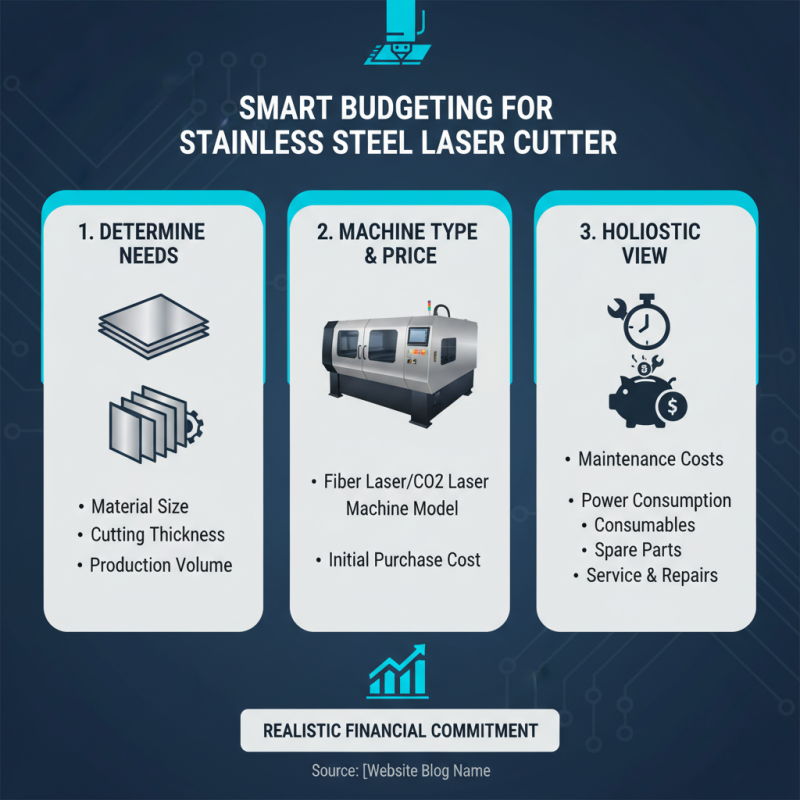
When investing in a stainless steel laser cutting machine, budgeting is a critical first step that influences the overall success of your operation. Begin by determining your specific needs, such as the size of materials, desired cutting thickness, and production volume. These factors will heavily influence the type of machine you require and, consequently, your budget. Consider not only the initial purchase price but also the operational and maintenance costs over time. This holistic view will help in forecasting a realistic financial commitment.
Additionally, it’s essential to explore potential financing options that can ease the burden of an upfront investment. Leasing may provide flexibility, allowing you to allocate funds towards additional tools or machinery that could enhance your workflow. Remember to factor in costs beyond the machine itself, including installation, training, and any required accessories that could optimize performance. By carefully mapping out these financial considerations, you can make a more informed decision that aligns with both your operational needs and budgetary constraints.