en
Get in touch

How to Choose the Right Fixture Shoulder Screw for Your Needs?

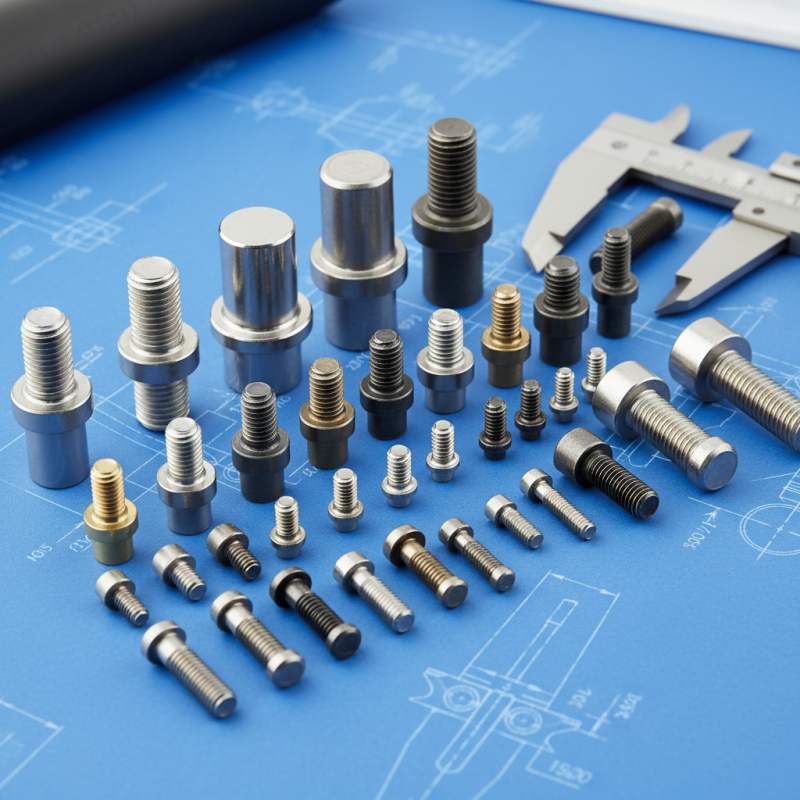
Choosing the right fixture shoulder screw is crucial for successful applications in manufacturing and assembly. These screws, designed with a shoulder, provide unique advantages in terms of stability and precision. They are essential in various industries, from automotive to aerospace.

When selecting a fixture shoulder screw, it's vital to consider factors such as material type, thread size, and shoulder length. Each choice impacts the performance and durability of the assembly. Many options exist on the market, which can be overwhelming. Sometimes, people might overlook specific requirements and face compatibility issues later.

Inexperienced users may also struggle to determine the correct size or load capacity needed. This can lead to unnecessary costs or project delays. Understanding your application's specific needs is essential to avoid costly mistakes. Ultimately, investing time in research can pay off significantly when choosing the right fixture shoulder screw.

How to Choose the Right Fixture Shoulder Screw for Your Needs?

Understanding Fixture Shoulder Screws: Types and Specifications

When selecting fixture shoulder screws, understanding their types and specifications is crucial. These screws are available in various materials, including stainless steel and alloy steel. The choice of material often depends on the application’s specific requirements, such as load capacity and corrosion resistance. A recent report from the Fastener Industry Institute highlights that stainless steel screws are preferred for environments with high humidity or exposure to chemicals.

Shoulder screws come in different lengths and diameters, impacting their performance in applications. The shoulder length determines the load distribution and plays a significant role in assembly durability. According to the latest engineering studies, using the correct diameter can minimize the risk of stripping and improve overall stability. This aspect is often overlooked, leading to potential failures in critical applications.

Tips: Ensure you measure both the shoulder and screw length accurately. Don’t underestimate the impact of material choice; it can drastically affect performance. Always consult technical data sheets for specifications to guide your selection process. Reliable sources, such as industry reports, provide valuable insights into trends and best practices in fixture screw applications. Paying attention to these details can prevent costly mistakes and ensure optimal performance in your projects.

Key Material Considerations for Fixture Shoulder Screws Selection

When selecting a fixture shoulder screw, material choice is critical. Different materials offer various benefits and drawbacks. For instance, steel screws are robust and resist bending. However, they may corrode in moist environments. In contrast, stainless steel offers better corrosion resistance, but it can be more expensive.

Consider the application as you choose a material. If the screw will experience high loads, choose a high-strength alloy. For precision applications, tighter tolerances in materials matter. Sometimes, plastic shoulder screws are an option. They are lightweight and resistant to corrosion, but they have limits in terms of load capacity.

Never underestimate the importance of finish and treatment. Certain surface treatments enhance durability and performance. You might find yourself choosing a coated screw for added protection. Remember, each material option has its limitations. It’s crucial to weigh these factors based on your specific requirements. The right choice isn’t always clear-cut and may require careful consideration.

How to Choose the Right Fixture Shoulder Screw for Your Needs?

Material Type Corrosion Resistance Load Capacity Cost Applications
Stainless Steel Excellent High $$$ Marine, Chemical Processing
Carbon Steel Moderate Medium $ General Manufacturing
Brass Good Low $$ Electrical Applications, Plumbing
Aluminum Fair Medium $$ Aerospace, Automotive
Plastic Poor Low $ Consumer Products, Toys

Analyzing Load Capacities and Torque Requirements for Fixture Screws

Choosing the right fixture shoulder screw involves understanding load capacities and torque requirements. Load capacity is crucial, as it determines how much weight the screw can bear without failure. This varies based on material, size, and screw design. Opting for a screw rated for more weight than needed provides a safety margin.

Torque requirements also play a critical role. Understanding the torque needed for proper installation can prevent damage to both the screw and the fixture. Too much torque can strip threads or break the screw. Conversely, too little torque may result in inadequate fastening. Testing different torque settings can reveal optimal performance.

Consideration of environmental factors is essential. Temperature fluctuations can affect material strength. Corrosion resistance can also impact longevity. Each application has unique challenges. Reflecting on past projects can guide future choices, leading to more informed decisions. A thorough analysis boosts reliability and performance in the end product.

Evaluating Finish and Coating Options for Durability and Corrosion Resistance

Choosing the right finish for fixture shoulder screws is crucial. The finish and coating significantly influence durability and corrosion resistance. Common options include zinc plating, black oxide, and anodizing. Each provides unique benefits, and understanding these is key to making an informed choice.

Zinc plating enhances protection against rust. It is typically cost-effective. However, it may not perform well in aggressive environments.

Black oxide offers decent corrosion resistance and a sleek look. This finish is suitable for applications where aesthetics matter.

Anodizing, effective for aluminum components, provides excellent resistance to wear and corrosion. It hardens the surface, extending the screw's life.

Consider your specific use case carefully. Environmental factors, like exposure to moisture or chemicals, can impact performance. Many users overlook these details. What works in one scenario may not in another. Always evaluate the conditions before deciding. A mismatch can lead to premature failure, which is costly. By weighing these factors, you ensure your selection aligns with your needs.

Installation Techniques and Tools for Optimal Fixture Shoulder Screw Use

When installing fixture shoulder screws, the right tools can make all the difference. A torque wrench ensures precise tightening. It's essential for maintaining the integrity of the assembly. A bead of thread-locking compound may enhance grip. However, overuse can lead to difficulty in future adjustments.

Adapting installation techniques to your specific application is crucial. Start by ensuring the mounting surface is clean and devoid of debris. Use a calibrated torque wrench; this prevents over-tightening. A common mistake is to skip this step, risking damage to the screw or fixture. Employ a lubricant if necessary; yet avoid excessive amounts, as it can cause slippage.

Consider the material of the shoulder screw. Different environments demand different approaches. For example, stainless steel may require less care than carbon steel in certain settings. Reflect on past installations. Were there issues with accessibility? A good installation method accounts for such challenges upfront. Small adjustments can significantly improve overall reliability and functionality.

We value your privacy.

By using this site you agree to the use of cookies by the company in accordance with the Privacy Policy

Have a questions or want to know more about our company? We'll be expecting you.