10 Essential Tips for Choosing an Industrial Steel Cutting Machine
Choosing the right industrial steel cutting machine is crucial for efficiency and productivity. This decision can significantly impact your operations and overall output. With various options available, it’s important to understand your specific needs. Factors like material thickness, cutting speed, and machine durability play a key role.
Investing in a quality industrial steel cutting machine can enhance precision. However, many buyers overlook critical elements. For instance, machine maintenance may seem minor, but it affects long-term performance. Reflecting on this can save businesses from costly repairs and downtime.
It's easy to get overwhelmed by technical jargon. Yet, understanding basic specifications empowers informed choices. Emphasizing research and expert recommendations can guide you through the selection process. Ultimately, the goal is to find a machine that balances quality and cost-effectiveness. Each layer of decision-making should prioritize reliability and operational needs.
Understanding the Different Types of Industrial Steel Cutting Machines
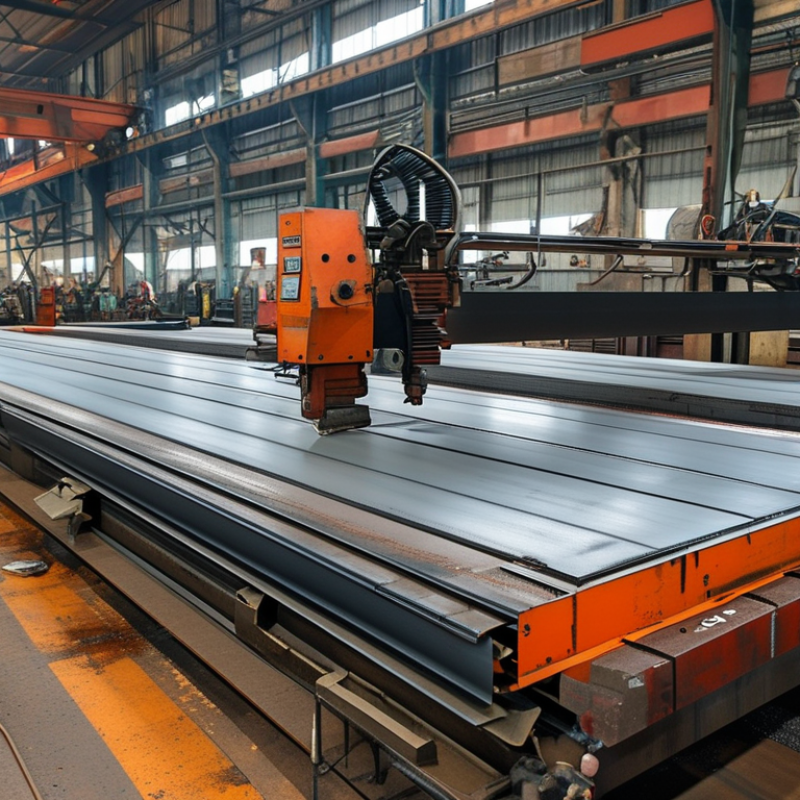
When selecting an industrial steel cutting machine, it's important to understand the different types available. Each type has its own set of characteristics tailored to specific cutting tasks. For instance, plasma cutters are popular for their speed and versatility. They excel at cutting through thinner sheets of steel without much distortion. On the other hand, laser cutters offer precision and cleaner edges, making them ideal for intricate designs.
Water jet cutters present a unique alternative as they use high-pressure water to slice through steel. This method avoids thermal distortion, which can be crucial for certain applications. Additionally, oxy-fuel cutting is often chosen for its cost-effectiveness, especially in heavy-duty tasks. However, it may not provide the finesse that laser or plasma cutting can achieve.
Choosing the right type requires evaluating your specific needs. Consider factors like thickness, cutting speed, and desired precision. It’s easy to overlook these aspects in the pursuit of sophisticated technology. Sometimes, a simpler solution may fit your needs better. Reflection on past experiences can guide future decisions, ensuring you select a machine that is both effective and reliable.
Key Specifications to Look for in Steel Cutting Equipment
When selecting industrial steel cutting machines, key specifications are crucial. Focus on the machine's cutting thickness and speed. Thickness indicates the maximum size of steel you can cut. Machines with variable speed settings cater to different materials and precision needs. A slower speed allows for intricate cuts, while a faster one boosts production rates.
Consider the type of blade used. High-quality blades last longer and cut more efficiently. Look for machines that allow easy blade changes to minimize downtime. Pay attention to the power rating. Higher wattage often leads to better performance, but it can also increase energy costs. Evaluate the design and ergonomics of the machine as well. A user-friendly interface enhances productivity but might come at a higher price.
Think about the machine's maintenance requirements too. Some machines demand more frequent servicing. This can become a hassle and impact your operational schedule. Ensure that support and spare parts are available locally. This mitigates downtime if issues arise. Reflect on the overall size and weight of the machine, too. Make sure it fits your workspace and can be easily moved if needed. Being mindful of these specifications helps in making a well-informed decision.
10 Essential Tips for Choosing an Industrial Steel Cutting Machine - Key Specifications to Look for in Steel Cutting Equipment
| Specification |
Description |
Importance |
| Cutting Speed |
Speed at which the machine can cut through steel. |
Higher speeds increase efficiency and productivity. |
| Blade Type |
Type of blade used for cutting (e.g., rotary, band, plasma). |
Different blades are suited for different materials and cutting methods. |
| Power Output |
Amount of power the machine uses (measured in horsepower or kilowatts). |
Determines the thickness of steel that can be effectively cut. |
| Weight |
Total weight of the machine. |
Heavier machines are often more stable during operation. |
| Cutting Capacity |
Maximum thickness and dimensions of steel the machine can handle. |
Essential for ensuring machine fits your specific cutting needs. |
| Accuracy |
Precision of the cut produced by the machine. |
Higher accuracy leads to superior quality cuts and reduced material waste. |
| Control Systems |
Type of control (manual vs. CNC) used for operation. |
CNC systems offer greater precision and automation. |
| Safety Features |
Built-in safety mechanisms to protect operators. |
Critical for ensuring a safe working environment. |
| Maintenance Requirements |
How often the machine requires maintenance and servicing. |
Less maintenance can lower operational costs and downtime. |
| Cost |
Initial purchase cost and potential operating expenses. |
Important for budgeting and assessing return on investment. |
Evaluating the Operational Efficiency and Speed of Cutting Machines
When evaluating the operational efficiency of industrial steel cutting machines, speed is a crucial factor. High-speed cutting enhances productivity and reduces downtime. An efficient machine can complete cuts faster, optimizing workflow. However, achieving this speed without sacrificing quality is essential. A machine that cuts too quickly may compromise the precision required in metalworking. Users often need to find a balance between speed and accuracy.
Measuring cutting speed can be tricky. It often depends on the thickness and type of steel being processed. Operators must consider the machine’s capability, as well as the material properties. For instance, some steel grades require slower cutting to prevent tool wear. Taking time to assess the machine’s specifications is vital. This ensures it aligns with your project requirements. Furthermore, regular maintenance plays a significant role in keeping machines running efficiently. A sluggish machine may indicate wear or improper calibration.
Choosing the right cutting machine also involves understanding operational costs. While faster machines may seem appealing, they often come with higher energy consumption. Evaluating long-term cost efficiencies can lead to better decision-making. Consider how the speed aligns with your operational needs. Reflecting on past experiences can provide insight into what works best for your projects. Each choice made today impacts tomorrow’s productivity.
Assessing Safety Features and Compliance Standards in Steel Cutting
When selecting an industrial steel cutting machine, safety features are paramount. According to a report by the American National Standards Institute (ANSI), 70% of workplace accidents can be linked to insufficient safety protocols. Ensure that the machine you choose has robust safety features, such as automatic shut-off mechanisms and emergency stops. These systems are essential in preventing injuries during operation.
Compliance with industry standards is also critical. The Occupational Safety and Health Administration (OSHA) mandates that all machines must meet specific safety guidelines. Machines that do not comply can pose serious risks. For example, a machine lacking proper guarding can lead to serious lacerations or amputations. It's vital to verify that the equipment adheres to standards set by ISO and other relevant bodies.
Investing in machines with third-party certifications can further enhance safety. A recent study by the National Institute for Occupational Safety and Health (NIOSH) indicated that compliance with certified equipment reduced injury rates by 30%. However, relying solely on these labels can be misleading. Regular maintenance and operator training are equally important. Ignoring these aspects can lead to costly accidents and operational downtime. Evaluate the overall safety culture in your organization. Even the best machines require responsible operators to ensure safety.
Safety Features Assessment in Industrial Steel Cutting Machines
Analyzing Cost vs. Performance for Long-Term Value in Steel Cutters
When choosing an industrial steel cutting machine, analyzing cost versus performance is crucial for long-term value. A high initial cost can lead to better performance and efficiency. However, it is essential to ensure that the machine meets your specific cutting needs.
Tip: Always evaluate the machine's cutting speed. Faster cuts can increase productivity. Yet, they might compromise precision if not done correctly. Assess how much cutting speed matters for your operations.
Additionally, consider the cost of maintenance. Machines that require frequent repairs can incur unexpected expenses over time. It’s wise to research the durability of the machine. A more robust option might be pricier but can save money long-term.
Tip: Think about energy consumption, too. More efficient machines may cost more upfront but can lower energy bills. Furthermore, they contribute to sustainability efforts. Balancing these factors is key. Strive for a machine that aligns with both budget and performance goals.
Remember, a well-chosen machine is an investment in your future capabilities. Look closely at your options before making a decision.