en
Get in touch

10 Essential Tips for Choosing a Steel Laser Cutting Machine

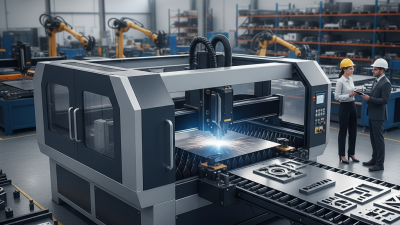
Choosing the right steel laser cutting machine is crucial for any manufacturing business. A good machine can enhance efficiency and precision. There are many factors to consider in this process, and it's easy to overlook important details.

When selecting a machine, think about your specific needs. Different projects require different capabilities. Some machines are best for thicker materials, while others excel in detail work on thinner sheets. Research is essential. Look at different models and their features carefully.

Always keep budget in mind. It's tempting to choose the cheapest option, but that might lead to problems later. Additionally, think about the support and training offered by the manufacturer. It's an investment in your future projects. Sometimes, you may find a machine that seems perfect but isn't a good fit after use. Reflect on past experiences and gather feedback from peers to make a more informed decision.

10 Essential Tips for Choosing a Steel Laser Cutting Machine

Understanding Your Cutting Needs: Material and Thickness Considerations

When choosing a steel laser cutting machine, understanding your cutting needs is crucial. Different materials require different settings. Consider the thickness of the steel. Thicker materials need more power and precision. Not all machines can handle these variations. A 10mm thick steel plate is very different from a 1mm sheet. Find a machine that matches your specific needs.

It's important to think about the types of projects you undertake. Are you cutting intricate designs or large sheets? Your choice might vary based on this. Additionally, think about the future. Materials and thicknesses may change over time. Will your machine still be relevant? Investing in a versatile machine can save costs later. This is not an easy decision. Reflect on the projects you often encounter and the limitations of your current setup. Balancing power with adaptability is key in ensuring you buy the right equipment.

Key Features to Look for in a Steel Laser Cutting Machine

10 Essential Tips for Choosing a Steel Laser Cutting Machine

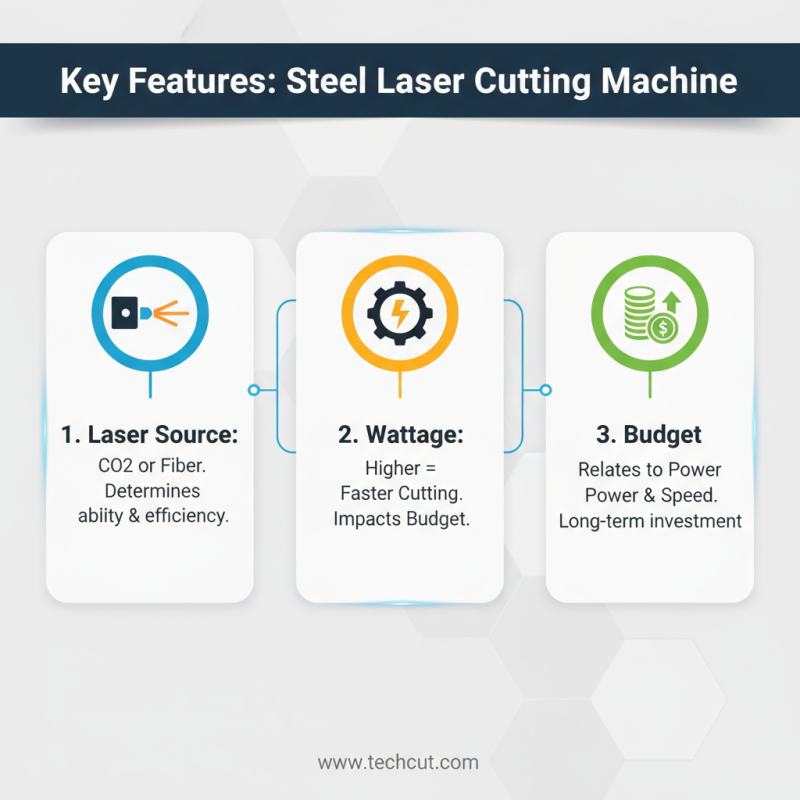
When selecting a steel laser cutting machine, understanding key features is crucial. The laser source stands out as the most significant factor. It determines the machine's cutting ability and efficiency. A good quality CO2 or fiber laser can make a considerable difference. Consider the wattage, as higher wattage often leads to faster cutting speeds. However, higher power requires a bigger budget.

Another important aspect is the cutting area size. Different projects demand various sizes. Ensure the machine can accommodate your largest pieces. A compact machine might save space, but it can limit your capability. Don't ignore the software compatibility either. It should be user-friendly and compatible with existing systems. An intuitive interface improves productivity.

It's also wise to look at the build quality. A sturdy frame reduces vibrations and enhances precision. Pay attention to the assembly of critical components too. Improper alignment can lead to inaccuracies. While considering these features, reflect on your actual needs. It’s easy to get lost in advanced features that you may never use. Aim for a balance between capability and practicality.

Evaluating Laser Types: CO2 vs. Fiber Lasers

When selecting a steel laser cutting machine, understanding the types of lasers is crucial. CO2 lasers are commonly known for their versatility. They work efficiently with organic materials. However, they may not cut metals as effectively as fiber lasers. CO2 lasers can have higher operational costs. Maintenance can be more challenging due to their complexity.

On the other hand, fiber lasers stand out with their efficiency. They excel at cutting metals, including steel. The energy consumption is lower, making them cost-effective in the long run. Maintenance is generally easier with fiber lasers. Yet, they may have limitations on certain materials. Businesses must evaluate their specific needs. Choosing the right laser type significantly impacts productivity. It's essential to weigh the pros and cons carefully. A flawed choice can lead to unexpected costs or processing challenges.

Assessing Machine Speed and Efficiency for Your Production Goals

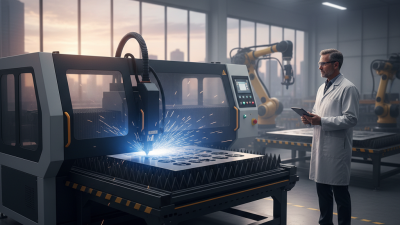
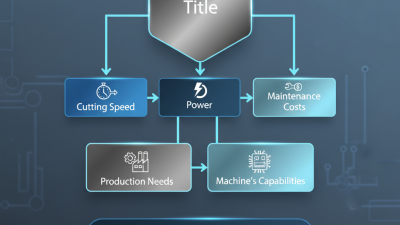
When assessing machine speed, consider your production goals carefully. A faster cutting machine can boost output. However, speed alone does not guarantee efficiency. It's crucial to match the machine's speed with the material thickness. Thicker materials might require slower speeds for quality cuts.

Efficiency is about more than just speed. Look at how consistently the machine performs over time. An efficient machine minimizes downtime. A machine that frequently requires maintenance can hinder your production. Take the time to analyze production reports. Your current setup may reveal areas for improvement.

Don’t overlook operator training. Even the best machines can struggle if operators lack skill. Effective training can enhance both speed and efficiency. You might find areas where operators work too quickly, leading to mistakes. Balancing speed with precision is essential for optimal results. Always reflect on these aspects before making a decision.

Production Efficiency of Steel Laser Cutting Machines

Budgeting for Purchase, Maintenance, and Operational Costs

Choosing a steel laser cutting machine involves assessing your budget for purchase, maintenance, and operational costs. Understanding these factors can significantly impact your business's profitability. According to industry reports, operational costs can account for up to 30% of total manufacturing expenses. This often includes energy, materials, and labor.

When budgeting, consider the upfront purchase price. It's essential to balance cost with quality. A cheaper machine now could mean higher maintenance costs later. Look at the typical lifespan of machines in similar applications. A machine lasting over 10 years can be more cost-effective even if the initial cost is higher.

Maintenance is another key factor. Regular upkeep can prevent significant breakdowns. Research indicates that companies spend an average of 5%-10% of a machine’s purchase price annually on maintenance. Skimping on this can lead to unexpected costs.

Tip: Allocate funds for routine checks. This can save you from costly repairs. Moreover, track operational costs closely. Prepare for fluctuations, especially in energy prices. Lastly, always be ready for a reevaluation of your budget. The cost landscape can change, and your strategy should adapt accordingly.

We value your privacy.

By using this site you agree to the use of cookies by the company in accordance with the Privacy Policy

Have a questions or want to know more about our company? We'll be expecting you.