What is a Microinverter for Off Grid Solar Systems?
Harnessing solar energy efficiently is a vital goal for many off-grid systems. A microinverter solar off grid setup plays a crucial role in achieving this. Unlike traditional inverters, microinverters convert DC power to AC power at each solar panel. This design maximizes energy production, especially in varied sunlight conditions.
Microinverters also provide real-time monitoring. Each panel's performance can be tracked, allowing for quick responses to issues. However, this technology can be complex and may require regular updates. Not every user fully understands its benefits or potential challenges. It's essential to compare options before investing.
The integration of microinverters in off-grid solar systems indicates a shift towards greater efficiency. But, the initial costs might deter some homeowners. Overall, the advantages often outweigh the drawbacks, leading to long-term savings and a reduced carbon footprint. Exploring microinverter options could be a game-changer for sustainable energy enthusiasts.
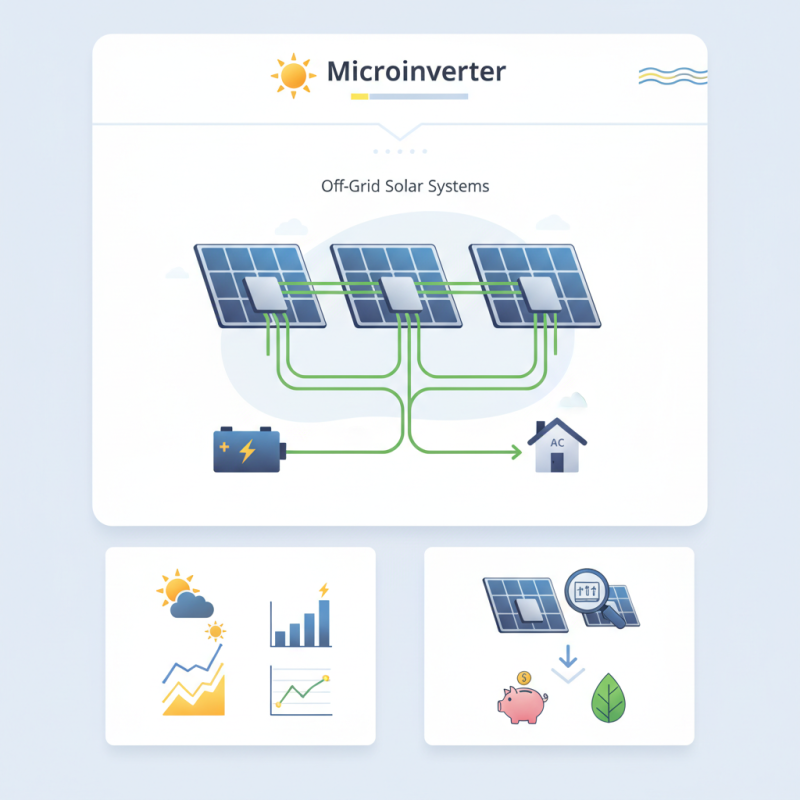
What is a Microinverter?
A microinverter is a device that converts the direct current (DC) electricity generated by solar panels into alternating current (AC) electricity. This transformation allows the energy to be used in homes or fed into the grid. Unlike traditional inverters, which connect to multiple panels, microinverters are attached to individual solar modules. This setup enhances energy production, especially in variable sunlight conditions.
One notable advantage of microinverters is their ability to optimize the output of each panel. If one panel is shaded or dirty, it won't affect the performance of the others. This can lead to an overall increase in energy efficiency. However, microinverters can also be more costly than centralized options. It's essential to weigh the benefits against the initial investment.
Maintenance is crucial, as they can be affected by environmental factors, requiring attention over time.
Functionality of Microinverters in Solar Systems
Microinverters play a crucial role in off-grid solar systems. They convert solar energy at the panel level. Each panel has its own microinverter. This setup maximizes energy production, even with shading. If one panel is blocked, others continue to work effectively. It’s a smart way to enhance overall system efficiency.
When choosing microinverters, consider their compatibility with your solar panels. Not all units fit every panel type. Read the specifications carefully. The lack of standardization can be frustrating, but it’s essential for optimal performance. Proper installation matters too. An improper setup could lead to inefficiencies. Pay attention to wiring and connections.
Tips: Regular maintenance is a must. Check connections and clean panels periodically. Dust and grime can reduce efficiency. Also, monitor energy output. If you notice a significant drop, it may indicate an issue. Understanding the system's performance helps in making informed decisions. Don't hesitate to seek professional advice when needed.
Advantages of Using Microinverters for Off Grid Systems
Off-grid solar systems often rely on microinverters for efficient energy conversion. Microinverters attach to each solar panel, converting direct current (DC) to alternating current (AC) individually. This ensures that each panel operates at its best capacity. According to data from the National Renewable Energy Laboratory, systems with microinverters can increase energy harvest by up to 25%. This advantage is crucial for off-grid installations, where every watt counts.
One significant benefit of microinverters is their improved performance in shaded conditions. Traditional string inverter systems lose efficiency if one panel is obstructed. In contrast, microinverters isolate the impact of shading. This feature can enhance system reliability and reduce the risk of energy loss. Reports suggest that individuals using microinverters can experience a shorter payback period for their solar investment, some as low as five years.
Tips: Regular maintenance can help keep microinverters running optimally. Check connections and monitor performance frequently. Consider installation in sunny, unobstructed areas to maximize energy production.
Some users might find microinverters more complex and costly than conventional options. Initial installation can be challenging. Not all installers are familiar with them. Research and select experienced professionals for optimal results.
Comparison of Microinverters and Central Inverters
When comparing microinverters and central inverters for off-grid solar systems, differences in performance and installation are crucial. Microinverters operate at the individual panel level. This allows each solar panel to perform optimally, increasing overall system efficiency. According to a recent study by the National Renewable Energy Laboratory, microinverters can enhance energy production by up to 25%.
Central inverters, on the other hand, serve multiple panels at once. They simplify installation and can be more cost-effective for larger systems. However, their performance can suffer if one panel underperforms due to shading or dirt. Thus, understanding your specific needs is vital.
Installation can be a mixed experience. Microinverters are easier to scale, but complex to wire. Central inverters are simpler for large arrays but might require more maintenance checks. As the market evolves, buyers should weigh installation ease against long-term efficiency. Balancing these factors can lead to a well-informed decision that aligns with energy goals.
Installation and Maintenance Considerations for Microinverters
Microinverters are crucial for off-grid solar systems, offering unique benefits and considerations during installation and maintenance. They convert direct current (DC) from individual solar panels into alternating current (AC). This allows for improved efficiency, especially in shaded or partially obstructed environments. Installing microinverters can maximize the energy output of each panel, leading to a potential increase in overall system productivity by about 20%, according to industry reports.
During installation, proper placement and orientation of microinverters are vital. Experts suggest that aiming for optimal ventilation can help in maintaining their performance. Temperature fluctuations can affect their lifespan. On average, microinverters have a lifespan of 25 years, but neglecting maintenance can cut this short. Keeping an eye on connections and ensuring they're secure is essential.
Tip: Regular visual inspections can help spot issues early. Look for signs of wear or damage around the microinverter. Any signs of overheating should be addressed immediately. Maintenance should not be ignored, as neglect can lead to smaller energy yields over time. Rechecking installation can prevent significant downtimes.


