What is the Role of Rubber Parts in Pumps?
Rubber Parts in Pumps play a crucial role in various industries, from water supply to manufacturing. These components endure significant wear and tear due to constant exposure to pressures and fluid dynamics. A report from the Hydraulic Institute indicates that about 30% of pump failures are linked to issues with sealing and rubber components. This statistic underscores their importance in ensuring pump efficiency and longevity.
Moreover, the properties of rubber allow for a flexible and reliable operation in a range of environments. Manufacturers often select specific rubber types based on temperature, chemical compatibility, and hardness. According to recent market analysis, the demand for high-quality rubber parts in pumps is expected to grow by 5% annually. This is driven by advancements in technology and the increasing need for durable materials.
However, the reliance on rubber parts does raise questions. Variations in production and maintenance practices can lead to inconsistencies in performance. Understanding these factors is essential for operators and engineers alike. Moreover, identifying ideal materials remains a challenge, reflecting the ongoing need for research and development in this field. The persistent efforts to enhance the reliability of Rubber Parts in Pumps highlight both their vital role and the complexities involved in their use.
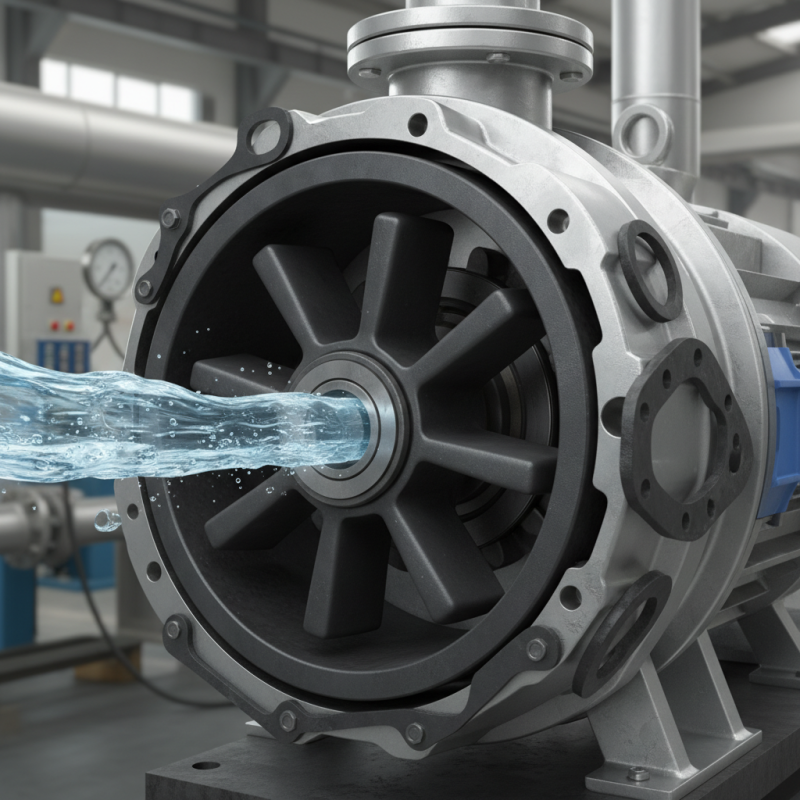
Role of Rubber Parts in Pump Design and Functionality
Rubber parts play a crucial role in the design and functionality of pumps. These components are essential for sealing, vibration dampening, and providing flexibility. In many pump systems, rubber seals ensure that fluids do not leak. This function prevents contamination and maintains efficiency. The right rubber material can withstand various pressures and temperatures, which is vital for pump reliability.
In pump design, the selection of rubber compounds is significant. Different types of rubber offer varying resistance to wear, chemicals, and temperature extremes. For example, nitrile rubber is often used in environments with petroleum-based fluids. However, finding the best fit for specific applications can be challenging. Sometimes, even the most suitable rubber may not perform as expected.
Moreover, rubber parts can wear down over time. This deterioration can lead to reduced efficiency or even failure. Regular maintenance and inspection are necessary to address these issues. Engineers must stay updated on the latest materials and methods to enhance pump performance. This constant evolution in rubber technology presents opportunities for improvement but also reflects the industry’s complexity.
Types of Rubber Materials Used in Pump Components
Rubber parts play a crucial role in pump systems. They ensure effective sealing and reduce vibrations during operation. Different rubber materials are used in pump components, each offering unique advantages. Common types include natural rubber, neoprene, and silicone.
Natural rubber is known for its excellent elasticity. However, it may not withstand extreme temperatures well. Neoprene, on the other hand, offers better resistance to oil and chemicals. This makes it suitable for many industrial applications. Silicone rubber is flexible and performs well under varying temperatures. It is often chosen for food and pharmaceutical pumps.
The selection of rubber materials is not always straightforward. Environmental factors can significantly impact performance. For instance, exposure to certain chemicals might degrade rubber integrity. Regular maintenance is often overlooked, which could lead to premature failures. Understanding the specific application is essential. Choosing the right material can significantly extend the lifespan of pump components.
What is the Role of Rubber Parts in Pumps? - Types of Rubber Materials Used in Pump Components
| Rubber Material | Chemical Resistance | Temperature Range | Common Applications |
| Nitrile Rubber (NBR) | Good resistance to oils and fuels | -40°C to +100°C | Oil seals, O-rings |
| Ethylene Propylene Diene Monomer (EPDM) | Excellent resistance to water and steam | -50°C to +150°C | Water pumps, coolant systems |
| Silicone Rubber | Good resistance to temperature extremes | -60°C to +200°C | Food processing, medical applications |
| Fluoroelastomer (FKM) | Excellent resistance to heat and chemicals | -15°C to +200°C | High-performance seals, gaskets |
Importance of Rubber Seals in Preventing Fluid Leakage
Rubber seals play a critical role in preventing fluid leakage in pumps. A study from the Fluid Sealing Association reveals that leakage can account for as much as 5% of a facility's overall operating budget. In industries like oil and gas, improper sealing can result in significant financial losses. Therefore, effective rubber seals are essential for maintaining the integrity of pumps.
In pump applications, rubber parts often face extreme conditions. Temperature variations, pressure changes, and exposure to harsh chemicals can compromise seals. Research indicates that over 80% of pump failures result from seal-related issues. This highlights the need for reliable materials and designs. Regular maintenance and inspection can mitigate risks, but time-consuming errors remain prevalent. The selection of high-quality rubber compounds can enhance durability and performance, yet businesses sometimes overlook this aspect.
Accurate fit and compression of rubber seals are vital. Misalignment can lead to premature wear and costly leaks. In practice, operators sometimes fail to ensure proper installation, leading to challenges. Training for maintenance personnel is often incomplete, causing preventable errors. Investing in ongoing education can alleviate these issues and promote better outcomes.
Impact of Rubber Seals on Pump Performance
The chart above illustrates the performance of pumps based on the condition of their rubber seals. A majority (70%) of pumps with effective rubber seals operate efficiently, while those with moderate seals show a significant drop in performance. Poor and failed seals contribute to severe operational issues, emphasizing the importance of rubber seals in preventing fluid leakage and ensuring pump efficiency.
Impact of Rubber Parts on Pump Durability and Maintenance
Rubber parts play a crucial role in the functionality and longevity of pumps. They serve as seals and gaskets, preventing leaks and ensuring efficient operation. Over time, exposure to pressure, temperature, and chemicals can degrade rubber. This degradation can lead to failures in the pump system, causing unexpected downtimes. Regular inspection of rubber components is essential to address wear and tear promptly.
Maintenance is significantly influenced by the condition of rubber parts. Proper lubrication and periodic replacement can enhance the durability of these components. However, many overlook the importance of monitoring these parts. Ignoring signs of wear can lead to costly repairs, or even complete pump failure. It is essential to establish a routine that focuses on the renewal of rubber components to avoid escalated issues.
Incorporating better materials for rubber parts may improve pump efficiency. However, not all pumps are created equal, which can complicate this process. Users may find it challenging to balance cost and quality in replacement parts. Reflecting on past experiences and recognizing patterns of rubber failure can assist in making informed decisions. By addressing these factors, operators can extend the lifespan of their pumps and minimize maintenance efforts.
Innovations in Rubber Technology for Enhanced Pump Performance
Rubber parts play a critical role in the efficiency and longevity of pumps across various industries. Innovations in rubber technology are transforming pump performance significantly. A recent industry report revealed that advanced rubber compounds can enhance wear resistance by up to 40%. This improvement extends the life of pump components, reducing the frequency of replacements.
Modern rubber materials use better fillers and additives. These innovations improve thermal stability and chemical resistance. According to market research, the global demand for advanced rubber technologies is expected to grow by 5.2% annually, reflecting their increasing importance. However, despite these advancements, challenges remain. Some manufacturers still struggle with quality control, leading to inconsistent performance in rubber parts.
In some cases, not all rubber materials respond effectively to stress. This inconsistency can lead to unexpected failures. As a result, pump efficiency may suffer, causing operational delays. Innovations like smart rubber composites are being developed to address these issues. Such technologies promise to monitor wear in real-time, offering solutions for proactive maintenance and improved reliability.


