Why Are Rotating Machines Essential for Modern Industries?
In today's industrial landscape, the role of Rotating Machines is pivotal. Dr. Sarah Thompson, a leading expert in mechanical engineering, once noted, "Rotating machines are the heartbeat of modern manufacturing." This statement captures the essence of their significance.
Rotating machines include motors and generators, powering various machinery in factories. They are integral to processes like machining, pumping, and conveyor systems. Without these machines, productivity would plummet. However, it is essential to recognize that reliance on them can lead to vulnerabilities. Equipment failures or inefficiencies can disrupt operations and incur costs.
Industries are evolving, and so are the demands placed on rotating machines. They must adapt to new technologies and energy standards. The challenge is to ensure efficiency while minimizing environmental impacts. As we move forward, understanding these complexities is vital for sustained growth in industrial sectors.
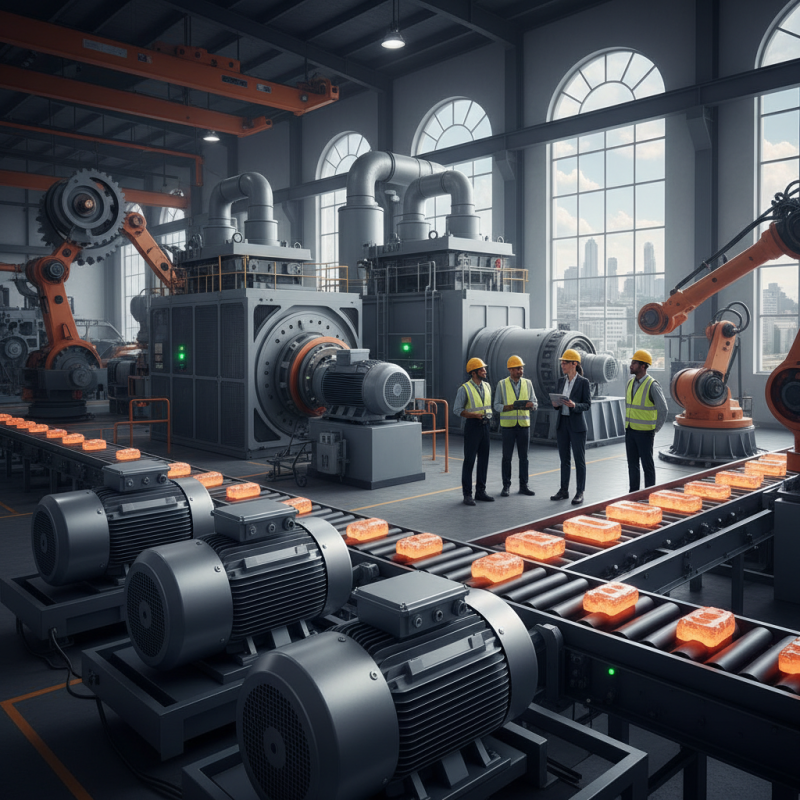
Overview of Rotating Machines in Industry
Rotating machines are vital in modern industries. They encompass motors, generators, and turbines, which facilitate numerous processes. According to a report by the International Electrotechnical Commission, these machines account for around 45% of global electricity consumption. They power everything from manufacturing to transportation, shaping industrial efficiency.
In manufacturing plants, rotating machines like electric motors drive conveyors and compressors. This automation boosts productivity significantly. For instance, a study by the Department of Energy outlined that optimizing motor efficiency could save industries up to $3 billion annually. Utilizing advanced control systems can further enhance performance and reduce energy waste.
Tip: Regular maintenance of rotating machines is crucial. Neglect can lead to breakdowns, costing time and money. Companies should schedule routine inspections to avoid disruptions.
However, reliance on these machines poses challenges. Wear and tear can lead to system failures. Companies need to invest in training staff to handle unexpected issues effectively. Balancing machine uptime with maintenance is essential for long-term success.
Usage of Rotating Machines in Various Industries
Types of Rotating Machines and Their Applications
Rotating machines play a pivotal role in modern industries. They come in various forms, each serving unique functions. Electric motors are a prime example. They convert electrical energy into mechanical energy. This conversion is essential for powering tools, fans, and conveyor belts in manufacturing plants. However, these motors can be inefficient. Sometimes, they waste energy due to friction and heat.
Another crucial type is
turbines. They harness energy from fluids, whether gas, steam, or water. In power plants, turbines generate electricity. Yet, they demand precise design and maintenance. A small error can lead to significant inefficiencies.
Generators are also vital. They transform mechanical energy back into electricity. This is fundamental in industries requiring backup power. Despite their importance, many generators underperform, especially without regular servicing. Consistent upkeep is often neglected, leading to potential failures.
Each rotating machine carries its own challenges. Understanding these details is key to maximizing efficiency in industrial settings.
Key Benefits of Rotating Machines in Modern Manufacturing
Rotating machines are vital in modern manufacturing. They power various processes, enhancing productivity. These machines contribute to efficiency and precision. They make tasks quicker and more accurate. When used correctly, they boost output significantly.
Many industries rely on rotating machines for crucial operations. For instance, motors drive conveyor belts in factories. Pumps transport liquids in chemical plants. These applications require constant monitoring. Occasionally, machines malfunction, leading to unexpected downtime. This can disrupt production schedules and cause delays.
Energy efficiency is another key benefit. Rotating machines often consume less energy than non-rotating alternatives. Improved designs help reduce power use, lowering costs. However, maintaining energy efficiency requires regular checks. Unaddressed issues can result in increased energy use, leading to waste. Balancing performance and sustainability remains a significant challenge in modern manufacturing.
Challenges and Innovations in Rotating Machine Technology
Rotating machines play a vital role in modern industries. They are crucial for power generation, manufacturing, and transportation. Yet, these machines face several challenges. High operational costs and maintenance issues can impact productivity. Engineers continuously seek innovative solutions to enhance efficiency and reliability.
One significant challenge is wear and tear. Rotating parts experience friction and heat, leading to failures. Designers are now exploring advanced materials. These innovations aim to improve durability and reduce maintenance frequency. Smart sensors can also monitor the health of machines. This technology helps predict failures before they occur.
Tips: Regularly check for unusual noises. This could indicate a problem. Also, consider energy-efficient options. They might cost more initially but save money over time.
Innovation in bearing technology is another area of interest. Magnetic bearings, for example, eliminate friction entirely. This can extend the life of rotating machines significantly. However, such technologies can be expensive and require specialized knowledge. Industries often struggle to adopt them fully. Balancing cost and performance remains a key concern.
Future Trends in Rotating Machines for Industry 4.0
Rotating machines play a crucial role in Industry 4.0. They power various applications, from motors to turbines. As industries embrace automation, the demand for efficient rotating machines grows. These machines must adapt to new technologies and increasing efficiency standards. Smart sensors can enhance performance and monitor wear in real-time. This leads to reduced downtimes and increased productivity.
The future of rotating machines leans towards integration with IoT and AI. Data analytics can optimize machine operations. However, some challenges arise. Many industries depend too heavily on traditional systems. Transitioning to new technologies can be costly and complex. Some companies might resist this change due to fear of disruption.
Moreover, sustainability is becoming a focus. Rotating machines must be designed to reduce energy consumption. Innovations in materials and designs are essential. The shift towards greener solutions might not happen overnight. Companies need time to adapt and reconsider their current practices. Balancing tradition with innovation will be critical for success.


