en
Get in touch

What is a Sheet Metal Cutter Machine and How Does it Work?

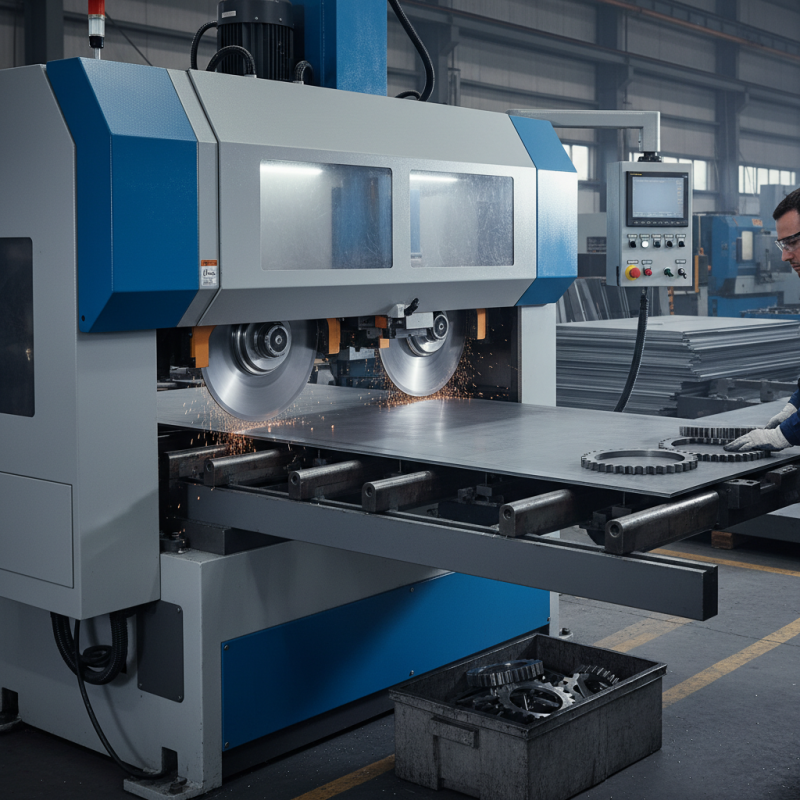
A sheet metal cutter machine plays a vital role in various industries. It is designed to cut metal sheets into specific shapes and sizes. This machine is essential for fabricators, manufacturers, and construction workers.

Understanding how a sheet metal cutter machine operates is crucial. These machines utilize sharp blades and advanced technology to deliver precise cuts. While many consider them efficient, there are challenges to note. Maintenance is key to ensure optimal performance. Over time, blades can dull, and machine parts may wear down.

Even with advanced designs, not every cut is perfect. Operators must adjust settings frequently to achieve desired results. This means there is always room for improvement in efficiency and effectiveness. Continuous learning and adaptation are important with this equipment. The sheet metal cutter machine remains an indispensable tool, but reflection on its use can lead to better practices.

What is a Sheet Metal Cutter Machine and How Does it Work?

What is a Sheet Metal Cutter Machine?

What is a Sheet Metal Cutter Machine and How Does it Work?

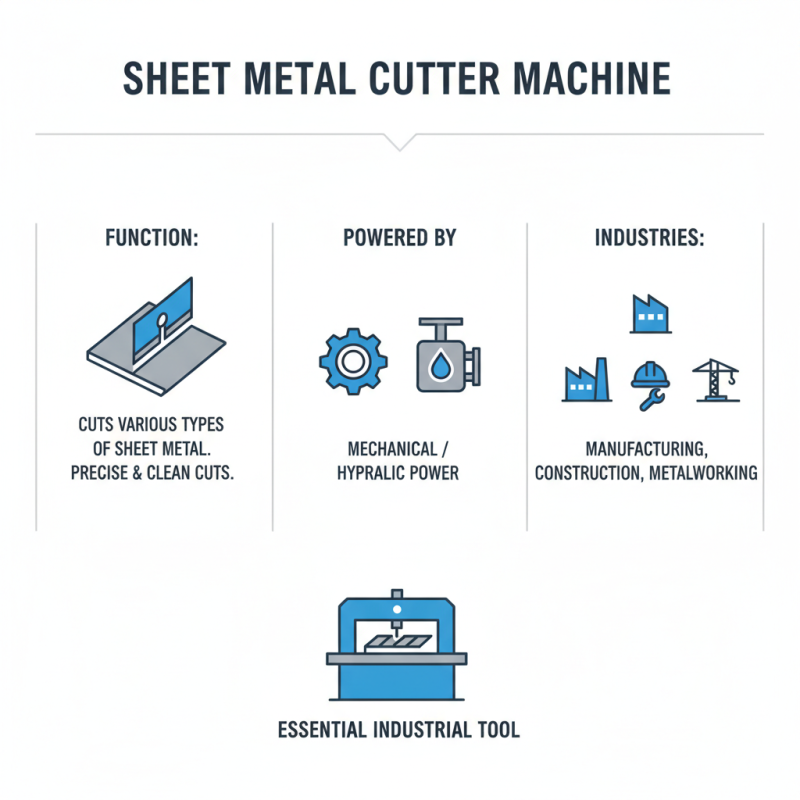
A sheet metal cutter machine is designed for cutting various types of sheet metals. It operates by using mechanical or hydraulic power to move cutting tools, ensuring precise and clean cuts. These machines are essential in manufacturing, construction, and metalworking industries.

When using a sheet metal cutter, consider the material thickness. Different machines handle varying thicknesses differently. This can affect the final result. Always check the specifications before starting your work. Sometimes, users attempt to cut metals beyond the machine's capability, leading to flawed cuts.

Tips: Regular maintenance is crucial. Ensure blades and cutting tools are sharp. Dull tools create rough edges. Also, wear safety gear. This protects against metal shards. It’s easy to overlook safety, but it's vital.

Keep in mind that technique matters. A steady hand is crucial for precision. Practice can improve skill over time. Don't rush the process. Take your time for better results. Sometimes, slower cuts produce cleaner edges, even if it feels inefficient.

Key Components of a Sheet Metal Cutter Machine

A sheet metal cutter machine is essential in metalworking. This machine uses various components to achieve precision and efficiency in cutting.

Key components include the cutting blade, which is vital for clean cuts. Blades come in various shapes and sizes, depending on the metal thickness. The pressure system is another key part. It ensures the metal is held firm during the cutting process. A strong hydraulic or pneumatic system drives this.

Tips: Always check the blade for wear and tear. A dull blade leads to rough cuts and could cause machine damage. The control panel also deserves attention. Ensure all settings are correct for the material you're using. Regular maintenance prevents unexpected issues.

The alignment guides are crucial, too. They help position the metal accurately. Misalignment can ruin a project and waste material. A good cutter also has safety features. These protect operators from accidents. Don’t ignore these features, as they are vital.

Sheet Metal Cutter Machine Performance Analysis

This chart illustrates the cutting efficiency of different types of sheet metal cutter machines, measured in square meters per hour.

Types of Sheet Metal Cutters and Their Applications

Sheet metal cutters come in various types, each serving specific applications in diverse industries. Shears and snips are among the most common tools. Shears provide straight cutting for larger sheets, while snips offer precision for intricate shapes. According to a recent industry report, over 40% of sheet metal fabrication companies utilize these tools for basic cutting tasks. This shows their importance in achieving quick results.

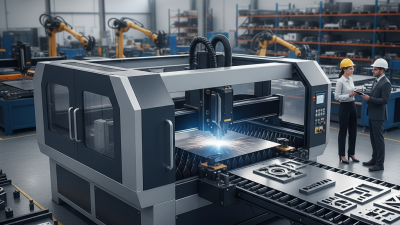
Laser cutters are another significant type. They use high-powered lasers to slice through metals with extreme accuracy. The global market for laser-cutting machines is projected to reach $6 billion by 2025. This growth reflects the increasing demand for precision in manufacturing workflows. However, using laser cutters requires careful handling. Operators must be trained to avoid costly mistakes.

Plasma cutters represent a third category, known for their speed and capability to cut thicker materials. They are efficient but can lead to rough edges if not operated correctly. A study shows that approximately 30% of metal fabricators report issues with edge quality due to improper setup. This highlights the need for continuous improvement in training and equipment maintenance. Understanding these machines can lead to better outcomes in metal fabrication.

What is a Sheet Metal Cutter Machine and How Does it Work?

Type of Cutter Operation Method Material Compatibility Common Applications
Mechanical Shear Shearing Action Steel, Aluminum Cutting straight edges for metal sheets
Laser Cutter Laser Technology Stainless Steel, Copper, Acrylic Intricate designs and fine cuts
Plasma Cutter Plasma Arc Technology Ferrous and Non-Ferrous Metals Thick metal cutting and fabrication
Water Jet Cutter High-Pressure Water Jet All Materials, Including Glass and Stone Complex shapes, environmentally friendly cutting
Band Saw Cutter Continuous Saw Blade Metal Sheets, Pipes Curved cuts and different thicknesses

How Sheet Metal Cutter Machines Operate

Sheet metal cutter machines are essential tools in many industries. They efficiently cut and shape metal sheets. The operation of these machines varies, but the basic principle remains the same. A blade moves rapidly, slicing through the metal. This creates precise cuts for various projects.

The blade's movement can be vertical or horizontal. Some machines deploy a punching mechanism instead of a blade. This pushes through the metal, creating holes or specific shapes. The accuracy is often remarkable, but improper calibration can lead to errors. Users need to regularly check settings to ensure optimal performance.

Tips: Always wear protective gear. Metal shards can fly during operation. Keep the workstation clean; it helps prevent accidents. Also, maintain your machine. Regular checks can prolong its life and improve results. Adjusting the speed may enhance cutting efficiency. Different metals require different settings. It’s crucial to understand these variations.

Safety Considerations When Using Sheet Metal Cutters

When using sheet metal cutters, safety is paramount. Statistics show that metal fabrication accounts for approximately 12% of workplace accidents. Sharp blades and high-speed machinery present potential hazards. Workers must wear proper personal protective equipment (PPE) to mitigate risks. Safety glasses, gloves, and steel-toed boots are essential.

Training is another critical aspect. According to a report by the Occupational Safety and Health Administration (OSHA), lack of training is a significant factor in many accidents. Operators should understand the machine's functions deeply. Regular safety drills can reinforce proper procedures. Misuse or neglect of safety measures can lead to severe injuries.

In addition to personal safety, workspace organization matters. A cluttered area increases the risk of accidents. Clear pathways and proper storage for materials are necessary. However, many facilities overlook this. It’s a simple step that is often ignored. By focusing on safety, the overall efficiency of the operation can improve. Remember, a safe environment benefits everyone involved.

We value your privacy.

By using this site you agree to the use of cookies by the company in accordance with the Privacy Policy

Have a questions or want to know more about our company? We'll be expecting you.