en
Get in touch

How to Source Scrap Copper Cable in 2026?

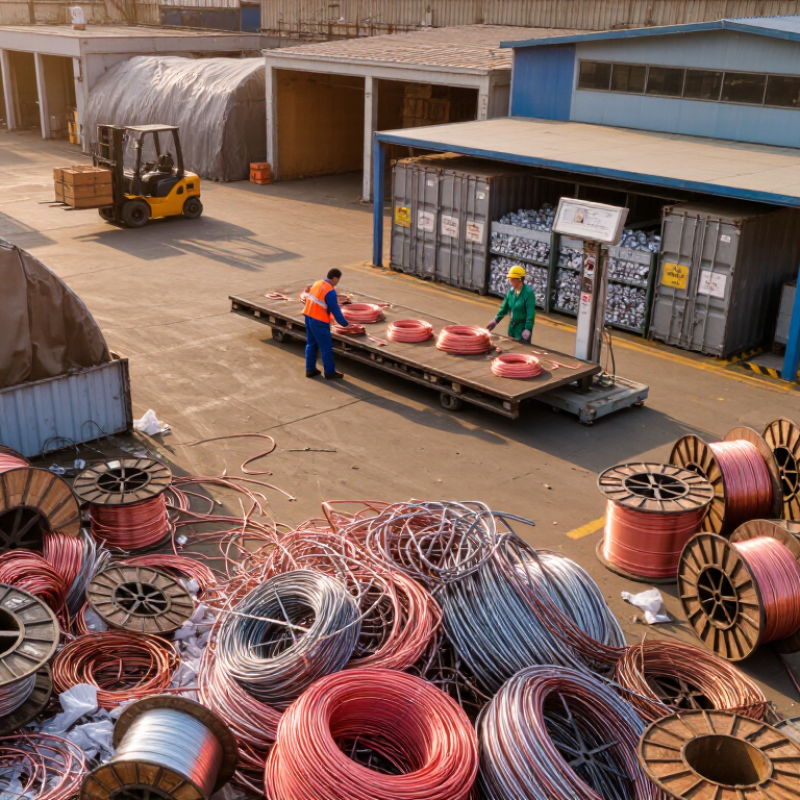
Sourcing Scrap Copper Cable in 2026 requires more than finding the lowest quoted price. Buyers must verify material quality, supplier records, and environmental practices before any shipment moves. Scrap Copper Cable may arrive as bright, clean wire, insulated cable, mixed bundles, or damaged reels. Each form carries different recovery values and processing costs.

Reliable sourcing begins with direct supplier checks. Request recent photographs, weight tickets, test reports, business licenses, and clear ownership records. Visit the yard when possible. Look for labeled containers, covered storage, calibrated scales, and workers separating copper from aluminum. A short video call can reveal useful details, but it cannot replace physical inspection. Sometimes, the cleanest-looking bundle hides excessive insulation or moisture.

Price comparisons should include freight, sorting, stripping, sampling, and possible losses. Copper markets can change quickly, so a fixed offer may become risky within days. Use independent assays or agreed sampling procedures for larger purchases. Confirm payment terms and delivery responsibilities in writing. Follow all applicable trade, customs, workplace safety, and environmental requirements.

Experience also teaches caution. One supplier may provide excellent cable for months, then change collection sources without warning. Keep a small trial order before expanding cooperation. Record defects with photographs and measured weights. Review each transaction honestly. A spreadsheet can still lie. That reflection helps buyers improve supplier screening, negotiate fairly, and build a dependable Scrap Copper Cable supply chain through 2026.

How to Source Scrap Copper Cable in 2026?

What Scrap Copper Cable Is and Why It Matters in 2026

Scrap copper cable is recovered wire from construction, utilities, factories, and discarded equipment. It usually contains a copper conductor, plastic insulation, and sometimes shielding or steel reinforcement. The copper can be separated, graded, and returned to manufacturing. That simple process matters more in 2026.

The USGS Mineral Commodity Summaries 2025 estimated global copper mine production at about 22 million metric tons in 2024. Refined production reached roughly 27 million tons.

Mining cannot expand quickly enough for every new demand cycle. The International Energy Agency also identifies copper as essential for power grids, electric vehicles, and renewable systems.

Recycled cable offers a faster secondary supply, while using less energy than primary production. Exact savings vary by processing quality. That detail is often ignored.

For sourcing

Inspect the cut ends, insulation condition, conductor thickness, and moisture exposure. Keep bright, clean copper separate from insulated and mixed-metal cable. Weigh material with calibrated scales and request assay or grading records.

The International Copper Study Group reports that refined copper markets remain exposed to supply disruptions and treatment-charge pressure. Buyers should verify origin, documentation, and contamination controls. A low price may hide poor recovery value.

Tips

  • Photograph each lot before loading.
  • Record net weight, grade, and date.
  • Use sealed storage during rain.
  • Recheck suspiciously light bundles.

Small mistakes can become expensive.

How to Identify and Classify Scrap Copper Cable

How to Source Scrap Copper Cable in 2026?

Identifying scrap copper cable starts with the conductor, insulation, and visible contamination. Bare bright copper is clean, uncoated, and usually bright orange or reddish. It should have no solder, paint, oil, or heavy oxidation. Number One copper may include clean tubing, busbar, or wire with minor surface oxidation. Number Two copper often contains solder, coatings, fittings, or noticeable tarnish.

Insulated cable needs closer inspection. Separate high-copper-content cable from thin communication wire, mixed cable, and aluminum-core material. Cut a sample, not the entire bundle. Check the conductor color, insulation thickness, moisture, steel strength members, and approximate copper recovery. Industry specifications published by the Institute of Scrap Recycling Industries provide practical grading language for these categories.

The Global E-waste Monitor 2024 reported 62 million tonnes of e-waste generated in 2022, but only 22.3% had documented formal collection and recycling. That gap makes careful sorting more important.

Visual judgment helps, but it can mislead.

Tips: Use a calibrated scale and record gross, tare, and net weight. Test suspicious cable with a magnet and a clean cut. Copper is nonmagnetic; steel reinforcement is not. Ask for recent assay or recovery records when buying large lots. A quick visual check is not enough. I still recheck borderline bundles. Insulation can hide disappointing copper content, and wet cable can distort weight. Photograph each lot before loading, then compare the delivered material with the original grade description.

Where to Find Reliable Scrap Copper Cable Suppliers

Reliable scrap copper cable suppliers are easier to find when you verify operations, not promises. Search licensed recycling companies, regional collection yards, and established industrial traders. Ask how they source, sort, weigh, and store cable. A clean, covered yard usually shows better process control.

Request recent photos, material specifications, weight records, and independent test results. Confirm copper content, insulation type, diameter, moisture level, and contamination limits. A small sample can reveal mixed metals, excessive plastic, or inaccurate grading. Check whether the supplier provides traceable invoices and clear shipping documents. Prices alone can mislead. Delivery delays and poor recovery rates may cost more than a higher quote.

Tips: Compare three written offers. Start with a trial shipment. Use calibrated scales at loading and arrival. Record photos before sealing each load. Confirm payment terms and dispute procedures in writing. Visit the facility when possible.

Do not ignore communication quality. Reliable suppliers answer technical questions directly and admit limitations. That matters. In practice, even careful buyers can overlook moisture or hidden steel strands. I have found that simple inspection records prevent more disputes than complicated agreements. Still, no checklist is perfect. Review supplier performance after every shipment, and adjust your buying standards when the evidence changes.

How to Evaluate Quality, Pricing, and Supplier Credentials

Buying scrap copper cable in 2026 starts with a physical quality check, not a polished quotation. Ask for a representative sample from the actual lot. Cut several lengths and inspect the conductor, insulation, moisture, and mixed metals. Weigh the sample before stripping it, then record the recovered copper afterward. A bright copper core can still hide low recovery. Test results may vary between bundles. That is normal. Unexplained variation is not. I prefer dated photos, batch numbers, and a simple inspection sheet.

Compare offers by recoverable copper, not gross cable weight. A ten-ton lot may contain very different values. Calculate expected recovery, processing labor, freight, taxes, and payment costs. Request the copper reference price, adjustment formula, and settlement date in writing. Ask what happens when the delivered grade differs from the sample. Cheap quotes often exclude handling or moisture deductions. I once focused too heavily on the headline price and missed a costly sorting fee. That mistake still shapes my checks.

Supplier credentials deserve the same attention as the material. Verify registration, operating address, relevant permits, and documented sourcing procedures. Request recent inspection records, scale tickets, product photos, and two trade references. A credible supplier should explain ownership, loading controls, and complaint handling clearly. Independent inspection can protect both parties before payment. Do not rely on certificates alone. They can be outdated. Visit the yard when practical, or arrange a live video inspection. Keep contracts clear and records complete.

How to Arrange Compliance, Logistics, and Safe Delivery

How to Source Scrap Copper Cable in 2026?

Reliable sourcing begins with traceability, not the lowest quote. The International Copper Study Group reports that recycled copper supplies roughly 30% of global copper use in recent years. Ask suppliers for origin records, weight tickets, photographs, and material descriptions. Confirm whether the cable is classified as recyclable material or controlled waste in each jurisdiction. The Basel Convention rules may apply to cross-border waste shipments. Keep permits, contracts, customs codes, and inspection records together. Small gaps can delay a container for weeks.

Logistics should protect both value and people. Separate bare copper, insulated cable, and mixed attachments before loading. Remove water, loose debris, and dangerous fittings. Use strong pallets, covered containers, and tamper-evident seals. A moisture check matters. Wet cable can create disputes over weight and quality. Independent inspection before loading is sensible, especially for high-value cargo. The International Energy Agency expects copper demand to rise significantly this decade, increasing pressure on secondary supply chains. That growth does not remove the need for careful verification.

Tips: Photograph each lot before loading. Record gross and net weights. Use a written acceptance standard. Ask the carrier about cargo insurance and emergency contacts. Never burn insulation. That shortcut damages air quality and may breach local law. One weakness remains: paperwork can look complete while the physical material differs. Recheck the seal, grade, and destination before dispatch.

How to Source Scrap Copper Cable in 2026? - How to Arrange Compliance, Logistics, and Safe Delivery

Sourcing Stage Data Dimension Practical 2026 Requirement or Benchmark Required Evidence or Calculation Main Risk Control
Material Definition Cable type and condition Separate bare copper, insulated copper cable, mixed cable, flexible cable, and cable containing plugs or electronic components. Photos, itemized packing list, sample description, and confirmation of whether the material is new production offcut or post-consumer scrap. Reject mixed loads that cannot be accurately graded, weighed, or legally classified.
Copper Content Recoverable copper percentage Do not use cable weight as copper weight. Actual yield depends on conductor size, insulation, fillers, shielding, and moisture. Estimated copper weight = net cable weight × verified copper recovery rate. Use representative sampling and an agreed assay method. Set an acceptance tolerance for assay results and define the price adjustment formula before shipment.
Material Classification Waste or product status Determine whether the shipment is legally treated as waste, a by-product, or a usable product in both export and import jurisdictions. Written classification decision, applicable waste code, customs tariff review, and destination-country import confirmation. Never rely on a tariff code alone to prove that a waste shipment is non-controlled.
Regulatory Screening Cross-border waste controls Check the Basel Convention requirements, national waste-shipment rules, and any regional rules that apply to the exporting, transit, and importing countries. Regulatory screening record, competent-authority contacts, consent requirements, and copies of permits or notifications where applicable. Do not load cargo until the required notification, consent, or exemption has been confirmed in writing.
EU Shipments 2026 regulatory timing For shipments involving the European Union, Regulation (EU) 2024/1157 generally applies from 21 May 2026, subject to its transitional provisions and shipment category. Confirm the applicable procedure with the relevant competent authorities before the planned dispatch date. Use the rules in force on the actual movement date, not only the rules in force when the purchase order was issued.
Supplier Due Diligence Traceability and lawful ownership Maintain traceability from collection point to loading location, including the source category, quantity, dates, and processing history. Business registration, waste-handling authorization where required, facility address, weighbridge records, and chain-of-custody documents. Use enhanced checks for material with missing ownership records, unusual pricing, or inconsistent origin information.
Quality Inspection Contamination and prohibited items Define limits for steel, aluminum, brass, plastic, soil, oil, water, batteries, electronic parts, pressurized items, and hazardous components. Pre-shipment inspection, photographs, seal number, sample results, and an independent weight certificate where commercially justified. Include a rejection, sorting, or price-deduction clause for contamination above the agreed limit.
Packaging Load security and moisture protection Use sound drums, pallets, crates, or secured bundles. Keep cable off the container floor where moisture or drainage may be a concern. Packing list showing package count, dimensions, gross weight, net weight, and package identification marks. Prevent movement, sharp-edge damage, water ingress, and access to the cargo during transit.
Container Planning Weight and volume control Follow the container’s CSC plate, carrier limits, road axle limits, port rules, and the verified gross mass requirement. Container number, seal number, verified gross mass, loading photos, and signed loading checklist. Avoid overloading, uneven weight distribution, blocked doors, and packages that can shift during braking.
Dangerous Goods Check Hazardous components Copper cable itself is not automatically dangerous goods, but attached batteries, oils, chemicals, or damaged electrical equipment may trigger additional rules. Written dangerous-goods screening, inspection record, and required declaration if any regulated component is present. Remove prohibited components before loading or obtain specialist advice before accepting the material.
Customs Documentation Commercial and transport records Documents should describe the cable accurately and consistently across the contract, invoice, packing list, transport document, and customs declaration. Sales contract, commercial invoice, packing list, transport document, origin information, permits, notifications, and inspection records as applicable. Use one controlled document set and reconcile quantity, weight, description, and package count before submission.
Incoterms and Insurance Allocation of cost and risk Specify the agreed Incoterms® rule, named place, transfer point, freight responsibility, customs responsibility, and insurance scope. Signed contract, freight quotation, insurance certificate where required, and written allocation of inspection and demurrage costs. Clarify who pays for delays caused by missing permits, customs holds, re-sorting, or rejected cargo.
Safe Delivery Receiving and final verification Record seal condition, package condition, arrival weight, visible contamination, and any shortage or damage immediately upon receipt. Arrival inspection report, receiving photographs, weighbridge ticket, assay result, discrepancy report, and signed proof of delivery. Keep disputed cargo segregated and preserve samples, photographs, seals, and documents until the claim is resolved.

Planning note: Regulatory requirements depend on the material’s legal classification and the countries involved. Confirm the applicable rules with the relevant customs and environmental authorities before shipment.

We value your privacy.

By using this site you agree to the use of cookies by the company in accordance with the Privacy Policy

Have a questions or want to know more about our company? We'll be expecting you.