en
Get in touch

Essential Tips for Choosing a Paper Pulp Making Machine for Your Business

The demand for sustainable packaging solutions has driven significant interest in the paper pulp making machine industry. According to a recent report by Research and Markets, the global paper pulp market is projected to grow at a CAGR of 4.5% from 2023 to 2028, driven by the rising need for eco-friendly materials across various sectors. This growth highlights the importance of selecting a high-quality paper pulp making machine that can enhance production efficiency while meeting environmental standards.

Investing in the right paper pulp making machine can significantly impact the operational success of a business, enabling manufacturers to produce high-quality pulp while minimizing waste and energy consumption. The industry is witnessing innovations in technology, which can lead to more efficient processes and improved product quality. As companies increasingly focus on sustainability, understanding the critical factors in choosing a paper pulp making machine becomes essential for any business looking to thrive in this dynamic market environment.

Essential Tips for Choosing a Paper Pulp Making Machine for Your Business

Understanding the Different Types of Paper Pulp Making Machines

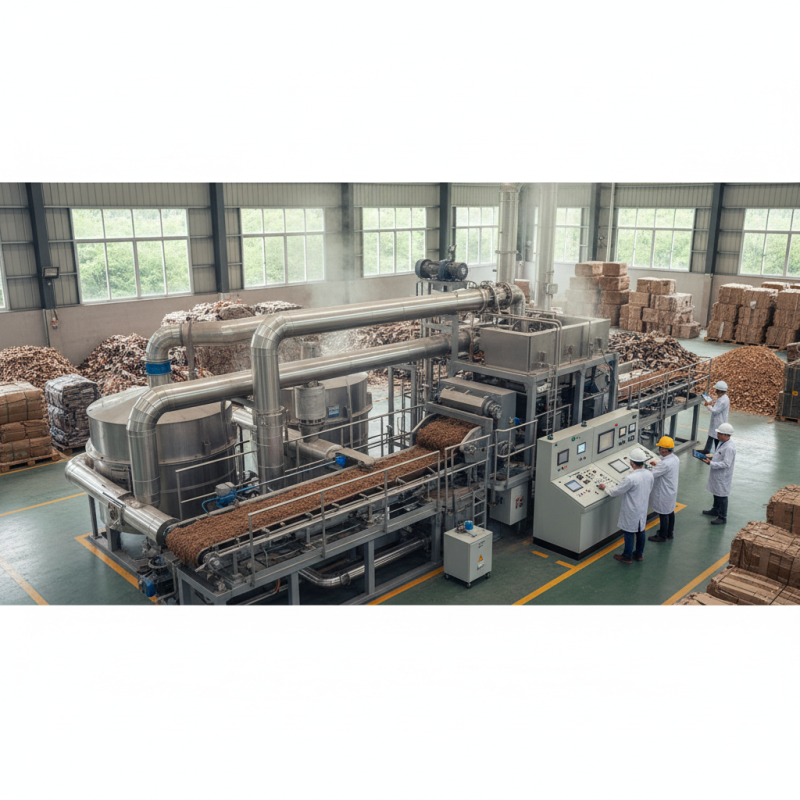
When selecting a paper pulp making machine for your business, it's crucial to understand the various types available in the market. The main categories include batch processors and continuous processors. Batch processors are ideal for smaller operations, as they allow for tight control over the pulp quality and can be easily adjusted to accommodate different types of raw materials. They typically require less initial investment and are well-suited for businesses with fluctuating production needs.

On the other hand, continuous processors are designed for larger scale production and offer higher efficiency. These machines operate continuously, providing a steady flow of pulp that meets the demands of high-volume manufacturing. Continuous processors often require a more significant initial investment and a more complex setup. However, they can ultimately yield substantial long-term savings and increased productivity, making them ideal for businesses aiming to scale up their operations. Understanding these types will help you make an informed decision based on your production capacity and business goals.

Essential Tips for Choosing a Paper Pulp Making Machine for Your Business

Machine Type Production Capacity (Tons/Day) Power Consumption (kW) Raw Material Types Cost (USD)
Batch Type Pulp Machine 10 50 Wood Chips, Recycled Paper 50,000
Continuous Pulping Machine 30 100 Bamboo, Bagasse 120,000
Chemical Pulping Machine 25 80 Wood Logs, Straw 100,000
Eco-friendly Pulping Machine 15 60 Recycled Fabrics, Agricultural Waste 75,000
Laboratory Pulping Machine 1 10 Small Samples, Various Fibers 20,000

Key Factors to Consider When Choosing a Paper Pulp Making Machine

Essential Tips for Choosing a Paper Pulp Making Machine for Your Business

When selecting a paper pulp making machine for your business, there are several crucial factors to consider to ensure you make the right investment. First and foremost, the capacity of the machine should align with your production needs. Evaluate the volume of pulp you require on a daily or monthly basis, and choose a machine that can efficiently meet those demands without compromising on quality. Additionally, consider the types of raw materials you plan to process, as certain machines are better suited for specific types of fibers, such as recycled paper or plant-based materials.

Another key factor is the machine's energy efficiency. Given rising energy costs and the emphasis on sustainability, selecting a machine that minimizes energy consumption can lead to significant cost savings over time. Look for features like hydraulic systems and automated controls that optimize performance while reducing energy use. Finally, assess the maintenance requirements and support services available for the machine. A reliable support network and easy access to replacement parts can significantly reduce downtime and enhance the longevity of your investment, ensuring smooth operations in the long run.

Evaluating the Capacity and Efficiency of Pulp Making Equipment

When selecting a paper pulp making machine, evaluating the capacity and efficiency of the equipment is crucial for optimizing production processes. The capacity of the machine is measured in terms of output per hour, and it should align with your business's production goals. Understanding your current and future demands will help you choose a machine with appropriate capacity, ensuring you can meet customer needs without incurring unnecessary operational costs.

One important tip is to assess the energy consumption of the pulp making machine. Efficient machines not only reduce operational costs but also contribute to sustainability efforts by minimizing energy wastage. Look for machines that utilize advanced technology to optimize energy use while maintaining high output levels. Additionally, consider the type of raw materials you will be processing; certain machines are designed specifically for specific fibers or materials, which can impact both efficiency and quality of the final product.

Another key factor is the machine's speed and processing time. A more efficient machine can significantly decrease the time required for pulp production, allowing for quicker turnaround times to your clients. Research machines that offer features such as automation and advanced control systems, which can further enhance production speed and consistency. By prioritizing these characteristics, you can ensure the chosen machine will support your business in achieving its operational goals effectively.

Assessing the Cost and Return on Investment for Your Business

When considering the purchase of a paper pulp making machine, it's crucial to assess the cost and potential return on investment (ROI) for your business. Start by calculating the initial costs involved in acquiring the machine, including installation and training expenses. This upfront investment should be weighed against the anticipated savings in raw material costs and the increased production capacity it will bring to your operation. Understanding how these factors influence your profitability can help you make a more informed decision.

Tips for calculating ROI include analyzing the machine's efficiency and the quality of the pulp it produces. Higher efficiency often translates to lower operational costs, while superior quality can enhance your product's marketability. Additionally, consider the machine's lifespan and maintenance costs, as these will impact your long-term financial planning. A thorough analysis of these factors will enable you to project when you might break even and begin to see profits, ultimately guiding you in selecting the right machine that aligns with your business goals.

Maintenance and Support: Ensuring Longevity of Your Pulp Machine

When investing in a paper pulp making machine, maintenance and support are crucial aspects that cannot be overlooked. Regular maintenance schedules should be established to ensure the machine operates at peak efficiency. This includes routine inspections of key components such as the pulping, washing, and refining sections. Identifying wear and tear early can prevent larger issues from developing, saving both time and costs associated with extensive repairs.

Additionally, selecting a supplier that offers comprehensive support services is essential. This support might include training for your staff to operate the machine effectively, access to technical resources, and a responsive customer service team for troubleshooting. In many cases, warranties and service contracts can further enhance the longevity of your pulp machine. Not only do these agreements ensure timely assistance when unforeseen problems arise, but they also provide peace of mind, knowing that your investment is backed by professional help, thereby extending the lifespan and efficiency of the equipment.

Paper Pulp Making Machine Maintenance and Support Efficiency

We value your privacy.

By using this site you agree to the use of cookies by the company in accordance with the Privacy Policy

Have a questions or want to know more about our company? We'll be expecting you.