By using this site you agree to the use of cookies by the company in accordance with the Privacy Policy
Choosing the right Window & Door solutions is vital for any homeowner or builder. Recent industry studies reveal that energy-efficient windows can reduce heating and cooling costs by up to 25%. Selection impacts not just cost-effectiveness but also aesthetics and security. The right products can enhance curb appeal and increase property values.
Many homeowners face overwhelming options. A staggering 70% of consumers do not understand key features like U-Factor or SHGC ratings. This knowledge gap often leads to unwise purchasing decisions. Practical aspects, such as materials and styles, also merit careful consideration. Vinyl, wood, or fiberglass—all have distinct benefits and drawbacks.
As aesthetics meets functionality, the risk of overlooking a critical aspect is real. Sometimes, current trends overshadow the practical needs of a space. A beautiful window might not offer adequate insulation or security. Reflecting on your choices is necessary for long-term satisfaction. Investing time in researching Window & Door options can yield significant rewards.
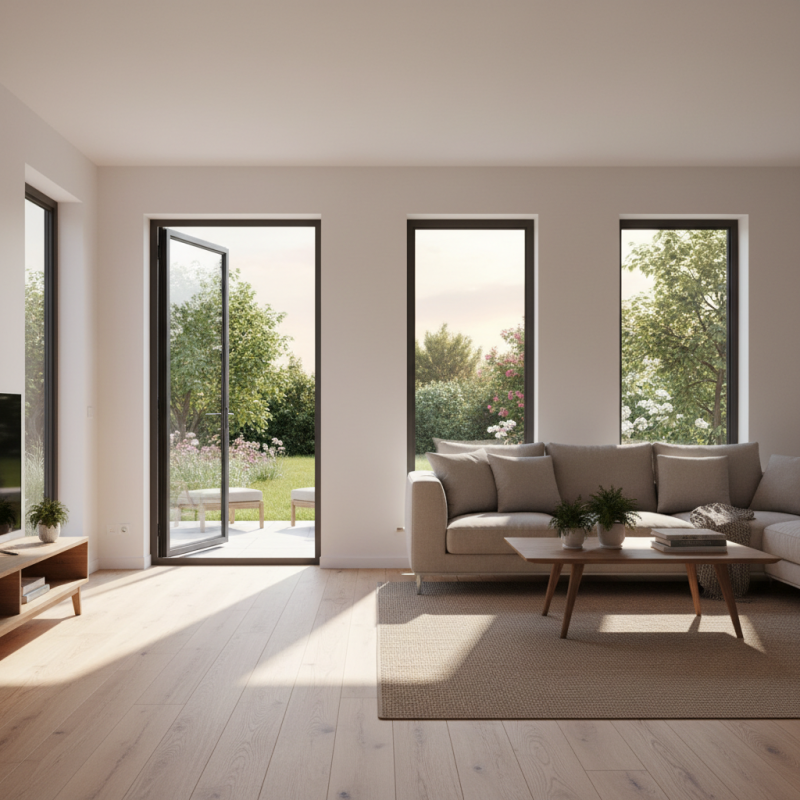
Choosing the right windows and doors is essential for any home renovation. It's not just about aesthetics; it's about energy efficiency and security too. Recent industry reports indicate that around 30% of a home's energy loss occurs through windows. Selecting energy-efficient options can significantly lower utility bills over time.
There are various types of windows to consider. Double-glazed windows provide better insulation than single-pane options. They keep your home warmer in winter and cooler in summer. However, many people overlook the benefits of triple glazing. Though more expensive, they offer superior thermal performance. Yet, they might not be ideal for every climate.
Doors also require careful consideration. Options range from solid wood to fiberglass. Each has its pros and cons. Solid wood offers durability, but it can warp over time. Fiberglass is often low-maintenance, but might not fit every architectural style. People frequently skip researching these details, which can lead to regrets later on. Reflecting on your lifestyle and environment is vital for making an informed choice.
When choosing window and door materials, you have several options. Wood is known for its classic appeal and natural aesthetics. However, it requires regular maintenance to prevent rot and warping. A recent industry report indicated that nearly 30% of homeowners express concerns about wood durability.
Vinyl presents a modern alternative. It is low-maintenance, energy-efficient, and cost-effective. According to the National Association of Home Builders, vinyl windows have gained popularity, accounting for 55% of the residential window market. However, its limited color options might not suit every homeowner's taste.
Aluminum windows are strong and lightweight. They resist rust and corrosion, making them a long-term choice. Yet, they conduct heat efficiently, potentially leading to higher energy bills. The decision on materials depends on your specific needs. Reflect on factors like climate, maintenance, and style preferences to make the right choice.
When selecting windows and doors, energy efficiency is key. Look for products with high energy ratings. These ratings indicate how well a window or door can insulate your home. A well-insulated home retains heat in winter and keeps it cool in summer. Pay attention to U-factor and Solar Heat Gain Coefficient (SHGC). These metrics measure heat loss and solar heat gain effectively.
It's important to consider the materials. Vinyl, wood, and fiberglass all have different insulation properties. Some may require more maintenance. Reflect on your climate and home orientation. Sometimes, the most efficient choice may not be the best match for your aesthetic. Think about whether you want natural light or privacy. A balance is necessary.
Moreover, installation plays a major role in energy efficiency. Poorly installed windows can lead to drafts. A simple mistake can negate the benefits of selecting a high-rated product. So, factor in professional installation. It may cost more, but proper sealing and alignment are crucial. Choose wisely, as every detail contributes to your home’s energy efficiency.
Choosing the right window and door solutions involves careful consideration. Style, security, and cost are critical factors. When focusing on style, think about how the windows and doors will complement your home’s design. A modern home may benefit from sleek lines and minimalistic designs, while a traditional home often looks best with classic features. Visualize how each option will fit into your overall aesthetic.
Security should be a top priority. Look for solutions that offer robust locking mechanisms and strong materials. Consider the area you live in. If it’s a high-crime zone, investing in more secure options may bring peace of mind. Note, however, that more secure options can also come with a higher price tag.
Cost is, of course, essential too. It's important to stick to a budget but also weigh the longevity and maintenance of your options. Some cheaper materials may require more maintenance and replacements over time. Reflecting on these trade-offs is crucial. Keep your family's safety and your home’s comfort at the forefront, even when costs seem overwhelming. Balancing these factors may not be easy, but it’s necessary for a sound decision.
When considering new windows and doors, the choice between professional installation and DIY can be daunting. Many homeowners feel tempted to save money and tackle the project themselves. DIY can be rewarding. You get the satisfaction of doing it yourself. However, it requires time and specific skills. Missteps can lead to drafts or leaks. That could cost you more in the long run.
Professional installation offers expertise and efficiency. Experts understand the technical aspects of fitting windows and doors. They ensure everything seals properly. Yet, the downside may be the higher cost. Some may feel apprehensive about spending extra funds. It’s vital to weigh your budget against the quality of work provided. Researching local installers and asking for quotes can help in making an informed choice.
In the end, think about your own capabilities. Are you comfortable with tools? Do you have the time to dedicate? Reflection is essential here. Consider the long-term benefits before making a decision. Investing in quality installation could enhance your home's value and comfort.
| Feature | Professional Installation | DIY Installation |
|---|---|---|
| Experience and Skill Level | Highly skilled tradespeople with experience | Requires basic to advanced handyman skills |
| Time Required | Usually quicker, often completed in a day | Can take longer, especially for novices |
| Cost | Higher upfront costs for labor | Lower initial cost, but potential for errors |
| Warranty and Support | Typically offers comprehensive warranties | Warranties may be limited |
| Final Quality | Often results in high-quality finish | Quality may vary based on skill level |
By using this site you agree to the use of cookies by the company in accordance with the Privacy Policy
Have a questions or want to know more about our company? We'll be expecting you.