By using this site you agree to the use of cookies by the company in accordance with the Privacy Policy
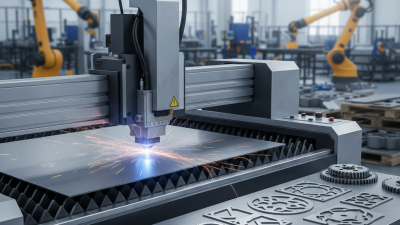
Choosing the right metal plate cutting machine is crucial for any workshop. A quality machine can enhance productivity. It shapes metal with precision and efficiency. In a market filled with options, knowing what to look for is vital.
Different machines serve various purposes. Some are designed for heavy-duty work while others excel in detail-oriented tasks. You'll find models that use lasers, plasma, or traditional blades. Each type has its pros and cons. Identifying your needs helps narrow down choices, yet it can be overwhelming.
Consider factors like size, power, and material compatibility. A machine that fits your workshop layout is essential. Also, think about maintenance and operation ease. A complex machine might require skilled operators. This can create dependency. Reflecting on these aspects can transform your workshop experience. A fine balance between quality and budget is key.
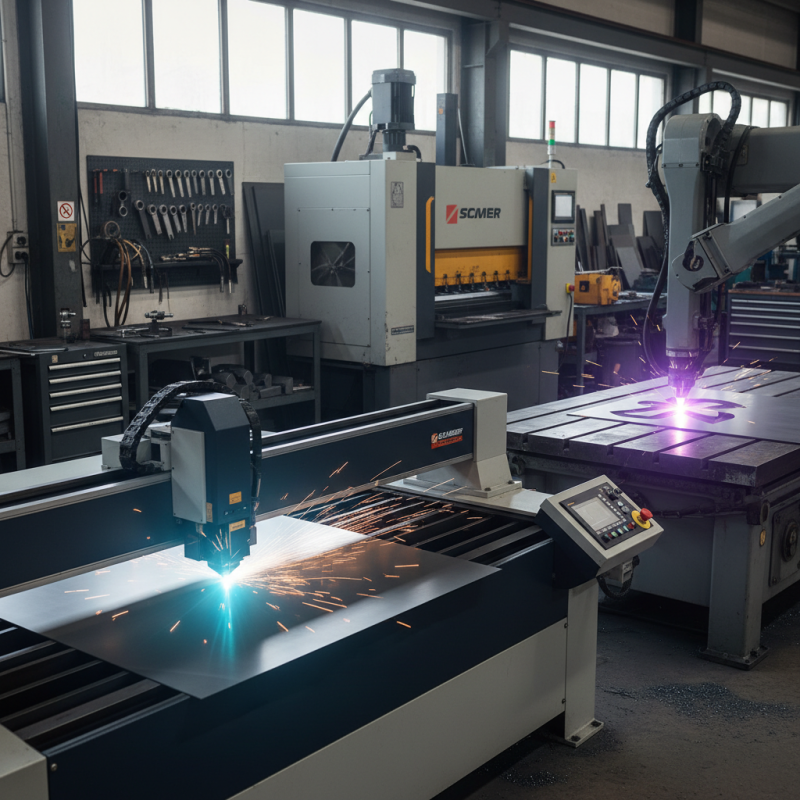
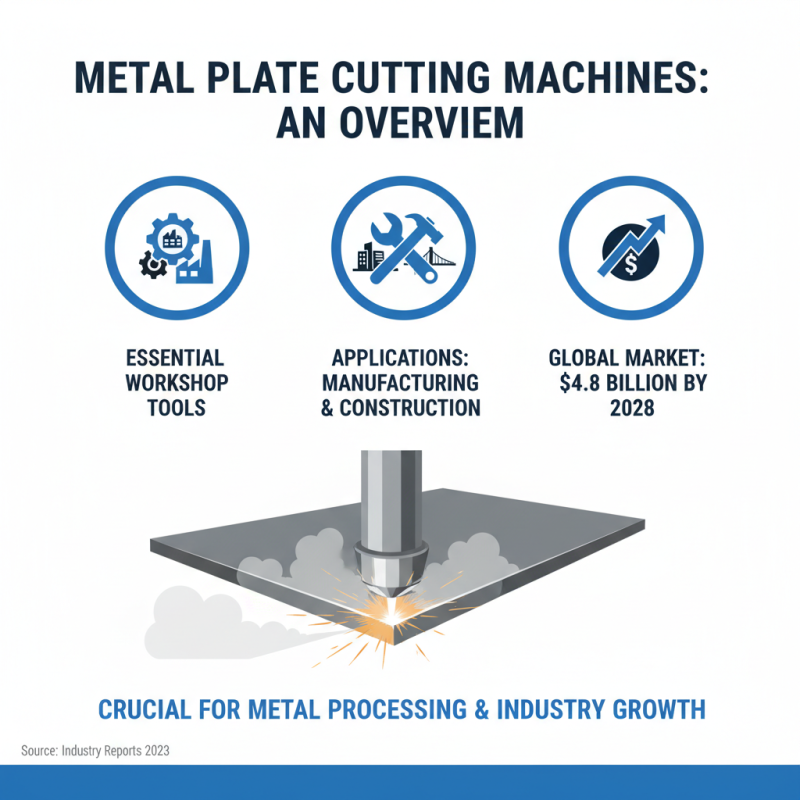
Metal plate cutting machines are essential tools in many workshops. They are used for various applications, from manufacturing to construction. According to industry reports, the global market for these machines is projected to reach $4.8 billion by 2028. The demand highlights their importance in metal processing.
Different types of cutting machines exist. Plasma cutters are known for their speed and precision. Laser cutters provide high accuracy but can be costly. Shears are reliable for simple cuts but may require more manual effort. Users often face challenges when choosing the right machine for their needs. Factors such as the thickness of the metal and the type of project play crucial roles.
The efficiency of these machines is also a concern. Many operators report difficulties in setup and maintenance. Regular calibration is necessary for optimal performance. If neglected, it can lead to increased waste and costs. Understanding these machines better can significantly improve workflow in any workshop.
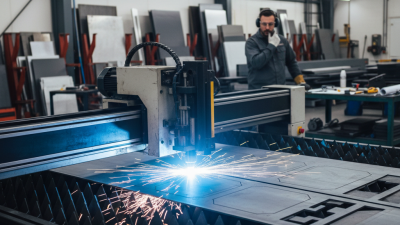
When choosing a metal plate cutting machine, consider the necessary features. The type of cutting technology is crucial. Plasma cutting and laser cutting are popular options. Plasma cutters excel in thickness and speed. Laser cutters offer precision but can be more expensive to operate. According to industry reports, laser technology has reduced cutting times by up to 30% in some settings.
Another factor to assess is the machine's power source. Electric and hydraulic machines differ in performance. Electric machines typically operate in workshops with regular power supply. Hydraulic machines can provide higher force but might require more maintenance. A survey shows that poor maintenance can lead to operational inefficiencies, reducing productivity by up to 15%.
The size of the machine is also vital. Workshops with limited space may struggle with larger machines. Compact models can save space yet still perform efficiently. It’s essential to balance size with capability. The workforce must be trained to handle machines appropriately. Inadequate training can cause errors, leading to costly mistakes and downtime.
When it comes to cutting metal plates, precision and efficiency are key. Many workshops rely on advanced metal cutting machines to meet high demands. According to a market report from 2022, the metal cutting machine industry is expected to grow at a CAGR of 5% through 2028. This growth reflects the increasing need for durable and efficient equipment in various sectors, including construction and manufacturing.
Choosing the right machine can be a challenge. Various factors like cutting speed, blade quality, and ease of use influence performance. Some machines struggle with thicker materials, leading to uneven cuts. A recent survey showed that 30% of users reported dissatisfaction with their machine's cutting accuracy on heavy metals. This highlights the importance of selecting a model that aligns with specific workshop needs.
Moreover, a well-maintained machine can significantly enhance productivity. A study found that regular maintenance could improve operational efficiency by up to 20%. However, only 40% of workshops practice consistent maintenance. Keeping records of machine performance can also help identify patterns that indicate when repairs are necessary. This ongoing reflection is crucial for optimizing workshop operations.
When evaluating metal plate cutting machines, performance and efficiency play crucial roles. A machine's cutting speed is important. It determines how quickly you can complete projects. However, speed isn’t everything. Precision must not be sacrificed for speed. A fast cut that lacks accuracy can lead to wasted materials.
Efficiency also includes energy consumption. Machines that use less power are often more cost-effective in the long run. Users need to consider the trade-offs. A higher initial investment in energy-efficient models might seem daunting, but the savings can accumulate. Durability is another factor. A machine that frequently malfunctions demands more attention and repair costs.
It's essential to assess each feature carefully. For example, laser cutting may deliver better precision, but at a higher operational cost. Users should reflect on their specific needs. A simple task might not require an advanced machine. Balancing between performance and actual workshop needs can be challenging, but it's vital for making informed decisions.
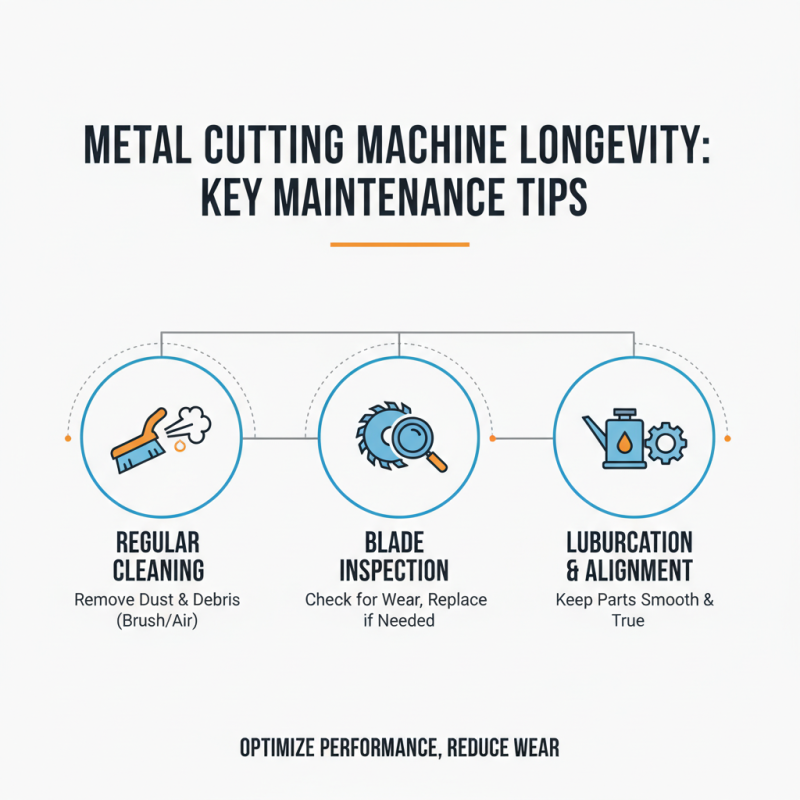
Maintaining metal cutting machines is key for longevity. Regular cleaning is essential. Dust, metal shavings, and grime can accumulate and affect performance. Use a soft brush or compressed air to remove debris. Pay attention to cutting blades. Dull blades not only hinder efficiency but also increase wear on the machine. Inspect them periodically and replace when necessary.
Lubrication is another crucial aspect. Proper lubrication reduces friction and heat. It also prevents rust and corrosion. Use high-quality oil suitable for your machine type. Apply it regularly, especially after extended use. Ensure all moving parts are well-greased. However, avoid over-lubricating, as excess can attract more dirt.
Calibration of the machine is often overlooked. Regular calibration ensures accuracy in cutting. Misaligned parts can lead to a decrease in cutting quality. Check alignment and adjust as needed. Don't forget safety checks. Wearing protective gear is a must. Regularly inspect safety features. It's all about working smart and maintaining your tools effectively.
By using this site you agree to the use of cookies by the company in accordance with the Privacy Policy
Have a questions or want to know more about our company? We'll be expecting you.