
By using this site you agree to the use of cookies by the company in accordance with the Privacy Policy

Choosing the right paper factory machine supplier in China requires more than comparing product prices. Factory owners must examine engineering capability, production records, export experience, and after-sales support. A machine may look impressive in a catalog, yet perform differently under continuous mill conditions.
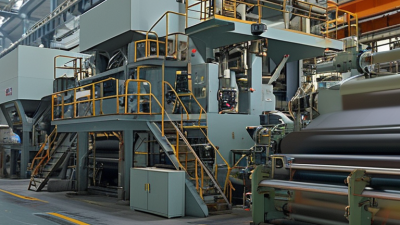
This guide introduces ten notable Chinese suppliers connected with paper-making equipment and complete production lines. The selection considers manufacturing scale, technical specialization, certifications, customer feedback, and service coverage. It also considers equipment details, such as forming sections, press systems, drying cylinders, coating units, rewinding machines, and control panels. These components affect paper quality, energy consumption, maintenance time, and operating stability.
No directory is perfect. Public information can change, and supplier performance may vary by project. Buyers should request current references, factory videos, test reports, spare-parts lists, and clear warranty terms. A serious supplier should explain installation procedures, expected output, raw-material requirements, and staff training without avoiding difficult questions. Site visits can reveal practical details, including workshop cleanliness, welding quality, inventory levels, and testing discipline. Small details matter.
The following overview is designed as a practical starting point, not a final purchasing decision. It helps readers compare suppliers more carefully and identify the best paper factory machine partner for their specific capacity, paper grade, budget, and regional requirements. Independent technical inspection remains valuable before signing any contract.
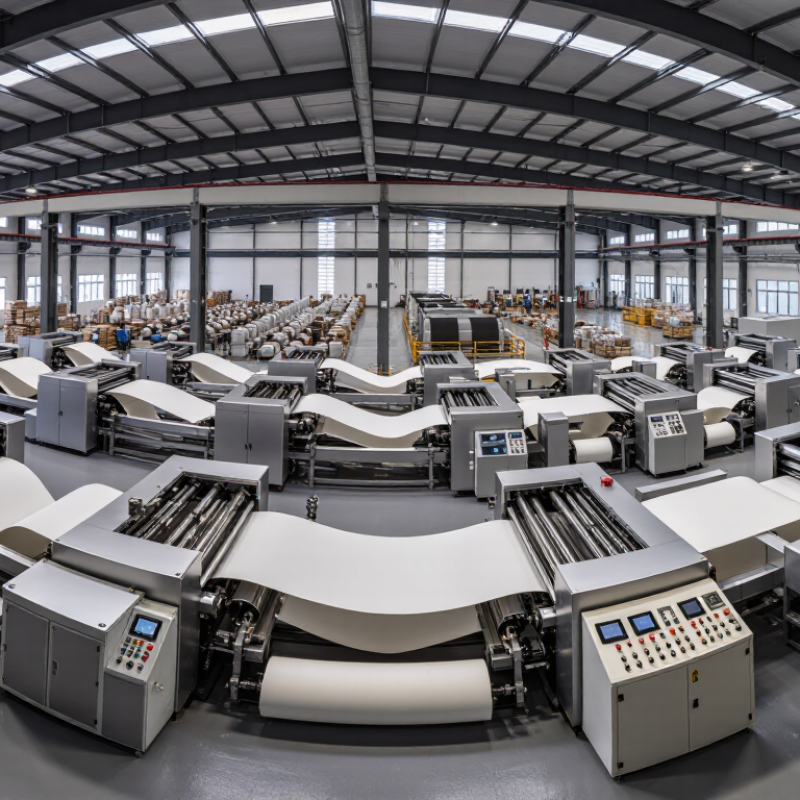
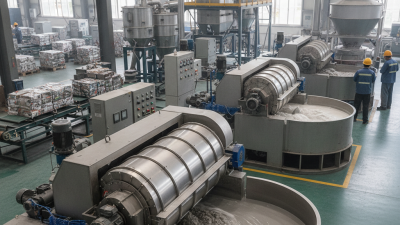
Understanding Paper Factory Machine Suppliers in China requires more than comparing catalog prices. China Paper Association statistics report 129.65 million tonnes of paper and paperboard production in 2023. That scale supports a mature supplier ecosystem, covering stock preparation, paper machines, coating lines, finishing equipment, and automation systems. The FAO’s latest forestry review also identifies China as a leading global paper producer. However, production capacity does not automatically prove engineering quality. A supplier should show recent installations, operating speeds, energy data, and documented acceptance-test results.
Factory visits reveal details that brochures often miss. Check weld quality around the dryer section. Inspect control cabinets and ask how quickly critical parts can arrive. Review consistency targets for moisture, basis weight, and machine efficiency. Smithers industry forecasts continue to show packaging demand as a major growth area, so suppliers with strong board and recycled-fiber experience may offer practical value. Still, recycled furnish can increase dirt loads and equipment wear. This is where technical judgment matters. A low quotation may hide expensive upgrades later.
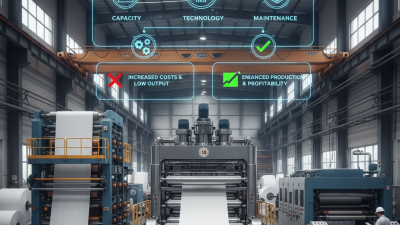
Tips: Request a complete utility list before signing. Compare steam use, electricity use, water demand, and expected production yield. Ask for three customer references with similar raw materials. Include operator training, spare parts, remote support, and performance guarantees in the contract. No shortlist is perfect. Recheck every assumption against your own fiber quality, labor skills, and local compliance requirements.
| Rank | Anonymous Supplier Profile | Main Machine Focus | Typical Paper Grades | Typical Working Width | Typical Design Speed | Common Automation Scope | Best Suited For |
|---|---|---|---|---|---|---|---|
| 1 | Profile A — Complete Mill-Line Integrator | Stock preparation, paper machine, coating, rewinding and finishing lines | Packaging paper, printing paper, specialty grades | 2,800–6,600 mm | 600–1,200 m/min | PLC control, distributed drives, quality monitoring and production data collection | Medium and large integrated paper mills |
| 2 | Profile B — Packaging Paper Specialist | Containerboard and kraft paper machines | Testliner, fluting medium, kraft paper | 2,800–5,600 mm | 500–1,000 m/min | Basis-weight control, moisture control and reel handling | Recycled-fiber packaging paper producers |
| 3 | Profile C — Tissue Machine Supplier | Tissue machines, crescent formers and converting equipment | Facial tissue, toilet tissue, towel grades | 2,850–5,600 mm | 1,000–2,000 m/min | Tension control, reel automation and energy monitoring | Hygiene-product manufacturers and tissue mills |
| 4 | Profile D — Specialty Paper Line Builder | Fourdrinier, cylinder and multi-layer paper machines | Filter paper, electrical paper, release paper | 1,800–4,200 mm | 250–800 m/min | Recipe management, laboratory integration and precision dosing | Producers requiring narrow quality tolerances |
| 5 | Profile E — Recycled Fiber System Provider | Pulping, screening, cleaning, flotation and deinking systems | Recycled board, newsprint and packaging grades | 2,500–5,500 mm | 400–900 m/min | Consistency control, white-water management and reject handling | Mills using recovered paper as the primary fiber source |
| 6 | Profile F — Coated Paper Equipment Supplier | Blade coating, film coating, drying and calendering equipment | Coated art paper, label stock and folding-boxboard grades | 2,000–5,000 mm | 500–1,200 m/min | Coating-weight control, infrared drying and defect inspection | High-surface-quality paper manufacturers |
| 7 | Profile G — Compact Paper Machine Manufacturer | Small and medium-size paper machines with modular auxiliaries | Cultural paper, kraft paper and lightweight board | 1,880–3,600 mm | 200–700 m/min | Standard PLC, variable-frequency drives and basic online monitoring | Start-ups, regional mills and capacity-expansion projects |
| 8 | Profile H — Paper Converting Equipment Supplier | Rewinders, slitter-rewinders, sheet cutters and packing lines | Copy paper, kraft rolls, tissue rolls and board | 1,600–5,000 mm | 800–2,500 m/min | Automatic shaft positioning, web tension control and roll packaging | Converters and mills upgrading finishing capacity |
| 9 | Profile I — Paper Machine Retrofit Specialist | Headbox upgrades, forming sections, presses, dryers and drive retrofits | Existing board, packaging and printing-paper grades | Existing-machine dependent | Project dependent | Drive modernization, process optimization and condition monitoring | Operating mills seeking higher output or lower energy use |
| 10 | Profile J — Turnkey Utility and Auxiliary Supplier | Vacuum systems, steam and condensate, water treatment and mill auxiliaries | Applicable across tissue, board, packaging and printing-paper mills | Project dependent | Project dependent | Utility optimization, energy metering and centralized supervision | Paper factories focused on operating-cost reduction |
Note: Supplier names and brands are intentionally omitted. The capacity, width and speed figures are representative industry-reference ranges for supplier screening; final specifications should be confirmed through technical proposals, drawings, test results and customer references.
Have a questions or want to know more about our company? We'll be expecting you.
