en
Get in touch

What Are the 2026 Top Disposable Medical Devices?

What will define the 2026 leaders in Disposable Medical Devices? The answer may not be the newest product. It may be the device that protects patients, simplifies clinical work, and creates less waste.

This article examines high-priority categories, including safety syringes, injection needles, IV administration sets, urinary catheters, surgical gloves, wound dressings, specimen containers, and rapid diagnostic consumables. Each category reflects a practical need. A catheter must remain sterile and comfortable. A glove must resist tearing during a long procedure. A diagnostic strip must deliver clear results beside a busy hospital bed.

Dr. Didier Pittet, a leading infection-prevention specialist, has stated, “Hand hygiene is the single most important measure to prevent the transmission of infection.” His principle also supports responsible device selection. Clean handling, secure packaging, and simple disposal systems can influence outcomes as much as technical design.

The 2026 market will likely reward manufacturers that combine safety, usability, traceability, and environmental awareness. However, no ranking is perfect. Clinical needs differ across hospitals, regions, and patient groups. Cost data can also lag behind real purchasing conditions.

That uncertainty matters.

A reliable evaluation should consider sterilization quality, material performance, regulatory documentation, user training, supply continuity, and lifecycle impact. It should also listen to nurses, surgeons, laboratory staff, and patients. Their daily experience often reveals weaknesses that product brochures hide.

The following overview explores which Disposable Medical Devices may lead in 2026, and why practical trust could matter more than novelty.

What Are the 2026 Top Disposable Medical Devices?

Defining Disposable Medical Devices and Their Role in 2026

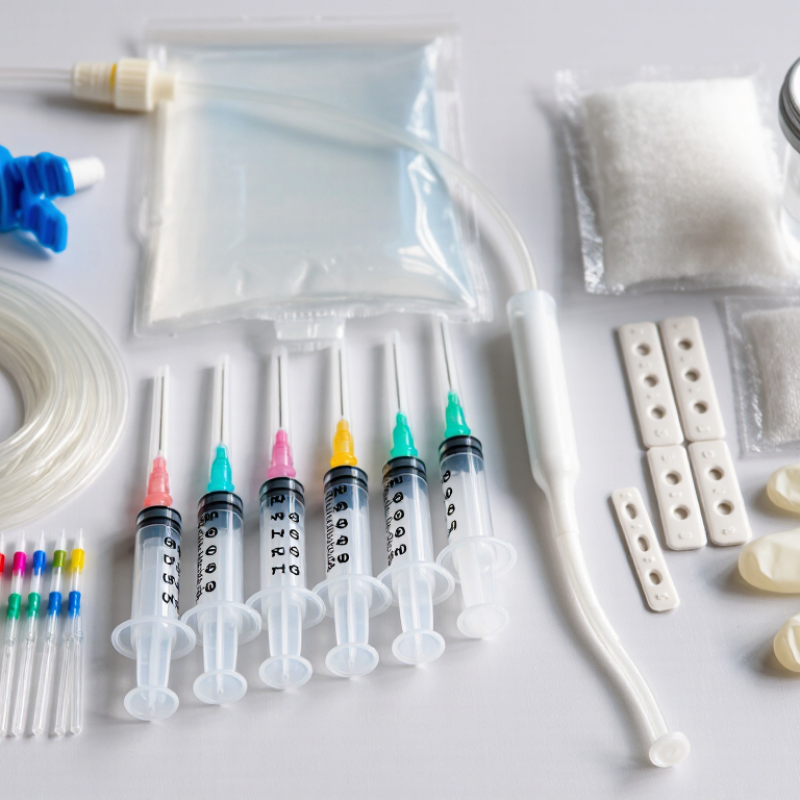
A disposable medical device is intended for one patient, one procedure, or one limited period of use. It is not simply a cheaper version of reusable equipment. Its design must support safe handling, clear labeling, reliable performance, and appropriate disposal. Common examples include syringes, infusion sets, wound dressings, specimen containers, surgical gloves, and single-use sensors.

In 2026, the most important disposable devices will likely be those that reduce infection risks and simplify care. A sealed specimen container can protect a sample from contamination during transport. A sterile dressing can cover a wound immediately after treatment. A single-use glucose sensor may provide repeated readings without requiring complex cleaning between patients. These details matter in crowded clinics, ambulances, and home-care settings.

Quality depends on more than convenience. Manufacturers and healthcare providers must verify sterility, material safety, usability, packaging strength, and disposal procedures. Clinical teams also need training, because a disposable item can still be misused. For example, incorrect storage may damage packaging before opening. That risk is easy to overlook. Environmental pressure will also challenge the category, as frequent disposal creates more waste. Better material selection and responsible waste systems may help, but neither solution is perfect. The strongest devices in 2026 will balance infection control, practical performance, patient safety, and environmental responsibility.

Key Categories of Top Disposable Medical Devices

In 2026, leading disposable medical devices are defined less by novelty than by dependable daily performance. From clinical procurement work, I see five categories receiving sustained attention: injection and infusion products, wound-care supplies, respiratory disposables, diagnostic collection devices, and protective barriers. Each category addresses a different failure point, from contaminated connections to delayed specimen handling. Small design details matter. A clear scale, secure seal, and readable label can prevent avoidable errors.

Injection and infusion devices include safety needles, syringes, extension sets, and needle-free connectors. Their value depends on smooth activation, low dead space, and reliable leakage control. Wound-care products range from basic gauze to foam, alginate, and transparent dressings. Selection should follow exudate level, skin condition, and the clinician’s care plan, not marketing language. Respiratory disposables include oxygen masks, breathing circuits, suction catheters, and nebulizer kits. Fit and airflow consistency are critical, especially when a patient is weak or unable to communicate.

Diagnostic collection devices deserve equal attention. Swabs, urine containers, blood collection tubes, and specimen transport systems must support clean collection, traceability, and stable handling. Protective barriers include examination gloves, gowns, masks, and fluid-resistant covers. Comfort affects compliance. It is easy to overstate top performance without checking failure reports, packaging integrity, sterilization records, and usability feedback. I have seen a technically impressive device underperform because its instructions were unclear. That lesson remains uncomfortable, but useful. Procurement teams should reassess products after real ward use, not only after a successful demonstration.

What Are the 2026 Top Disposable Medical Devices? - Key Categories of Top Disposable Medical Devices

Device Category Primary Clinical Role Typical Materials Common Sterility Status Key Performance Considerations Typical Disposal Route
Syringes and Hypodermic Needles Injection, medication delivery, vaccination, and fluid withdrawal Polypropylene or polycarbonate barrels; stainless-steel needles; elastomeric plungers Usually sterile and individually packaged Accurate volume, needle sharpness, low leakage, secure hub connection, and clear graduations Sharps containers for needles; regulated medical-waste handling for contaminated components
Peripheral Intravenous Catheters Short-term access to peripheral veins for fluids, medicines, and blood products Fluoropolymer or polyurethane catheter; stainless-steel introducer needle; plastic hub Sterile, single-use devices Kink resistance, biocompatibility, secure fixation, low insertion force, and reliable blood flashback Needle and catheter components disposed of as regulated sharps or infectious waste according to local rules
Infusion and Administration Sets Controlled delivery of intravenous fluids, medicines, and nutrition Medical-grade PVC, polyethylene, polypropylene, silicone, and elastomers Commonly sterile and supplied for single-patient use Flow accuracy, leak prevention, connector compatibility, tubing flexibility, and air-management performance Regulated medical waste after contact with fluids or medicines
Surgical and Examination Gloves Barrier protection for healthcare workers and patients during examination and procedures Natural rubber latex, nitrile, or synthetic polymers Examination gloves may be non-sterile; surgical gloves are sterile Puncture resistance, tensile strength, tactile sensitivity, fit, and protection against contamination Infectious or regulated medical waste when contaminated; general waste only where permitted for uncontaminated items
Surgical Gowns, Drapes, and Packs Maintaining sterile fields and limiting transfer of microorganisms and fluids Nonwoven polypropylene, polyethylene films, cellulose blends, and absorbent composites Sterile for surgical use; some protective apparel is supplied non-sterile Barrier performance, fluid resistance, lint control, drape strength, and ergonomic design Regulated medical waste when contaminated or used in a sterile procedure
Wound Dressings and Disposable Bandages Protection, absorption, exudate management, and support of wound healing Nonwoven fibers, cotton or rayon, polyurethane films, acrylic adhesives, foam, and hydrocolloid materials Sterile for many open-wound applications; some basic bandages are non-sterile Absorbency, moisture balance, atraumatic removal, skin compatibility, and secure adhesion Regulated medical waste if saturated with blood or other potentially infectious material
Urinary Catheters and Drainage Bags Urine drainage, bladder management, and postoperative fluid collection Silicone, latex with protective coatings, polyurethane, PVC, and polyethylene Generally sterile for insertion; external collection accessories may vary Biocompatibility, smooth surface, drainage reliability, balloon integrity, and anti-kink performance Regulated medical waste after use and contact with urine or other body fluids
Respiratory Masks, Breathing Circuits, and Filters Oxygen delivery, ventilation support, aerosol management, and respiratory filtration Polypropylene nonwoven media, PVC, silicone, polyethylene, and elastomeric components Many patient-contact products are sterile or single-patient use; general masks may be non-sterile Filtration efficiency, airflow resistance, connector fit, dead-space control, and moisture handling Regulated medical waste when used in clinical care or exposed to respiratory secretions
Blood Collection Tubes and Specimen Containers Collection, transport, and preservation of blood, urine, and other clinical specimens Glass or PET plastic tubes, polypropylene caps, elastomeric stoppers, and laboratory additives Usually sterile or hygienically controlled; sterility requirements depend on the intended test Leak resistance, specimen integrity, additive stability, labeling clarity, and transport durability Sharps or biohazard waste streams, depending on container design and specimen contamination
Diagnostic Test Cartridges and Collection Swabs Point-of-care testing and collection of respiratory, wound, or other clinical samples Polypropylene, polystyrene, polyester or nylon fibers, paper membranes, and reagent-coated materials Typically individually packaged; sterility depends on the specimen type and test design Analytical sensitivity, specificity, sample recovery, stability, and ease of use Biohazard or regulated medical waste after specimen contact

Note: Product specifications, sterility requirements, classification, and disposal procedures vary by intended use and jurisdiction. The categories above represent widely used disposable device groups rather than a company or brand ranking.

How Safety, Sustainability, and Smart Design Shape Device Selection

What Are the 2026 Top Disposable Medical Devices?

How Safety, Sustainability, and Smart Design Shape Device Selection

In 2026, disposable medical devices are judged beyond price and convenience. Safety begins with dependable materials, clear instructions, and secure packaging. Clinicians need devices that reduce contamination risks during rushed procedures. Small details matter. Rounded edges, readable markings, and intuitive connections can prevent avoidable handling errors. Selection teams should review clinical evidence, usability testing, and quality records before approving any product.

Sustainability now influences purchasing decisions more directly. Facilities are examining material weight, packaging volume, and disposal requirements. A lighter device may reduce transport emissions, but only if performance remains reliable. Recyclable components sound promising. However, mixed materials can complicate real-world waste processing. Procurement teams should ask for measurable environmental data, not attractive claims. Waste is visible. Its full impact is harder to calculate.

Smart design connects safety with practical workflow improvements. Some disposable devices include indicators that confirm placement, pressure, or usage status. These features can support faster decisions without adding unnecessary complexity. Yet digital elements may increase costs, training needs, or electronic waste. No model is perfect. My own evaluation approach would give more weight to staff feedback after repeated use. A device that looks efficient during a demonstration may frustrate nurses during a crowded shift. The strongest choices balance validated performance, responsible materials, and simple operation.

Clinical Applications Across Hospitals, Clinics, and Home Care

What Are the 2026 Top Disposable Medical Devices?

Disposable devices will shape practical care in 2026. The leading categories include examination gloves, syringes, IV administration sets, urinary catheters, wound dressings, diagnostic swabs, and respiratory masks. WHO’s Global Report on Infection Prevention and Control (2022) states that 7 in 100 acute-care patients in high-income countries acquire at least one healthcare-associated infection. In low- and middle-income countries, the figure rises to 15 in 100. This makes reliable single-use barriers and sterile access devices clinically important.

Hospitals need high-volume supplies for surgery, emergency care, dialysis, and isolation rooms. Clinics often depend on compact items, such as lancets, specimen containers, and injection equipment. A damaged package can delay treatment. Small details matter. Staff experience shows that clear labeling and easy-open packaging reduce avoidable handling errors, although this benefit is not guaranteed in crowded rooms.

Home care changes the selection criteria. Patients and caregivers need simple wound kits, glucose-testing supplies, enteral-feeding sets, and intermittent catheters. The WHO/UNICEF Joint Monitoring Programme’s 2024 update reported that one in five healthcare facilities lacked basic water services in 2022. That finding also exposes a weakness in home care planning: disposables reduce reprocessing demands, but they do not replace hand hygiene, training, or safe waste collection. The “top” device is therefore not always the cheapest or most advanced. Availability, fit, sterility, and caregiver confidence may matter more.

What Are the 2026 Top Disposable Medical Devices?

Clinical Applications Across Hospitals, Clinics, and Home Care

Disposable syringes and needles, examination gloves, IV catheters, wound-care products, blood-collection devices, and lancets are among the most frequently used single-use medical devices. Hospitals typically require the broadest range, while clinics and home-care programs rely more heavily on injections, glucose monitoring, wound management, and basic infection-control supplies.

Regulatory and Market Factors Influencing the 2026 Leaders

What Are the 2026 Top Disposable Medical Devices?

The 2026 leaders will likely be everyday devices, not futuristic products. Single-use syringes, infusion sets, catheters, wound-care products, and diagnostic consumables remain central. Grand View Research estimates that the global disposable medical supplies market will continue expanding through 2030, supported by hospital demand and infection-control policies. In real wards, reliability matters: a sealed catheter pack, a readable label, and a connector that does not leak can prevent costly delays.

Regulation will shape the ranking. Under the EU Medical Device Regulation, manufacturers face stronger clinical evidence, post-market surveillance, and traceability requirements. In the United States, the FDA increasingly emphasizes cybersecurity for connected devices, biocompatibility, and manufacturing controls, even when the product is disposable. The World Health Organization also links safe injection practices with essential infection-prevention systems. Compliance is no longer a final document check. It affects material selection, packaging, sterilization, and supplier audits.

Market pressure will reward products that reduce waste without weakening safety. Research and Markets projects continued growth in single-use medical products, partly because hospitals prefer predictable supply and lower reprocessing burdens. However, projections are not guarantees. Raw-material prices, shortages, and stricter environmental rules could change the 2026 list quickly. A thinner package may save plastic, yet fail during transport. That trade-off deserves more testing. The strongest products will combine clear clinical value, stable supply, verified sterilization, and evidence that survives regulatory review.

We value your privacy.

By using this site you agree to the use of cookies by the company in accordance with the Privacy Policy

Have a questions or want to know more about our company? We'll be expecting you.