By using this site you agree to the use of cookies by the company in accordance with the Privacy Policy
In recent years, the demand for precision metal cutting machines has surged. According to a market report by ResearchAndMarkets, the global metal cutting machines market is expected to reach $15 billion by 2026. This growth highlights the critical role these machines play in manufacturing sectors. Industries rely on precision metal cutting to enhance product quality and efficiency.
High-quality precision metal cutting machines are essential for achieving tight tolerances. They are vital for applications in aerospace, automotive, and medical industries. The need for advanced technology is becoming increasingly clear, as manufacturers seek to improve productivity. However, not all machines meet the required standards.
It's important to consider both technology and reliability when selecting a precision metal cutting machine. Buyers must evaluate the machine’s capabilities carefully. This ensures they invest in a solution that aligns with their specific needs. A well-researched decision can drive long-term success in competitive markets.
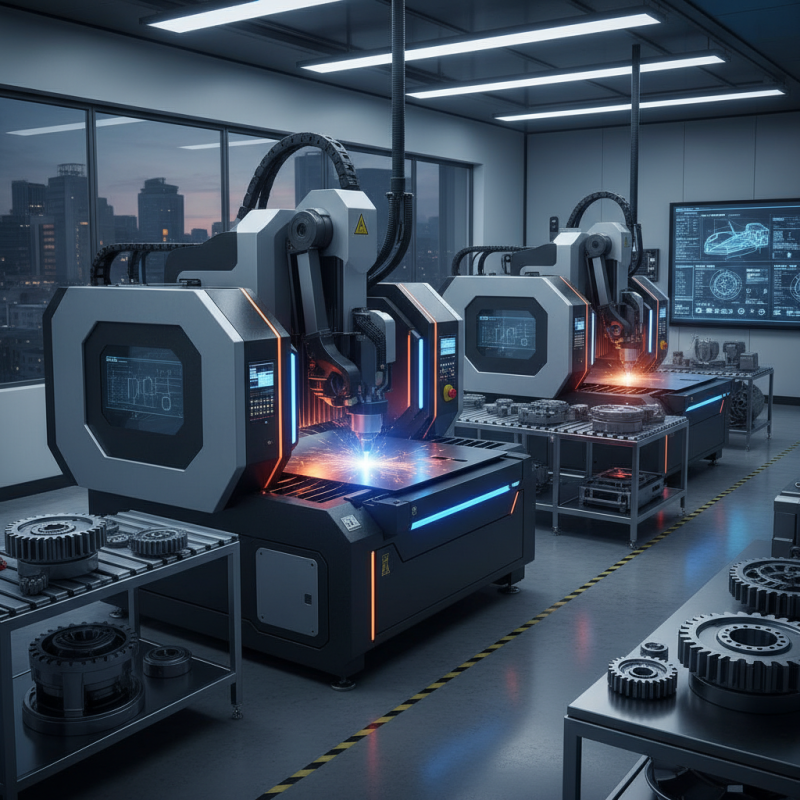
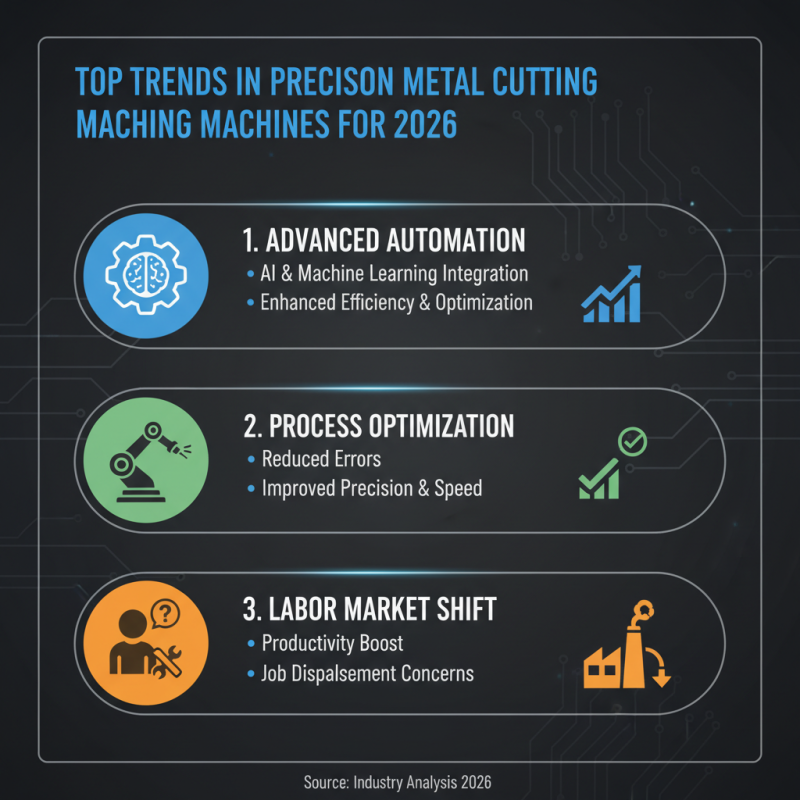
As we look toward 2026, precision metal cutting machines are rapidly evolving. One major trend is the integration of advanced automation. These machines now incorporate AI and machine learning capabilities, enhancing their efficiency. Manufacturers can optimize cutting processes and reduce errors. This shift may influence the labor market. While automation improves productivity, it raises concerns about job displacement in traditional roles.
Another significant trend is the use of sustainable materials and practices. Metal cutting processes are becoming more eco-friendly. Many machines are designed to minimize waste and energy consumption. This commitment to sustainability appeals to a growing base of environmentally conscious consumers. However, transitioning to greener technologies can present challenges. Companies may face higher initial costs and a learning curve.
Finally, precision and versatility are increasingly essential. Today's cutting machines must handle various materials, from aluminum to high-tensile steel. They need to meet specific industry standards while maintaining precision. This demand creates pressure on manufacturers to innovate continually. The competition is fierce, pushing many to rethink their strategies. This constant evolution will shape the landscape of precision metal cutting in the coming years.
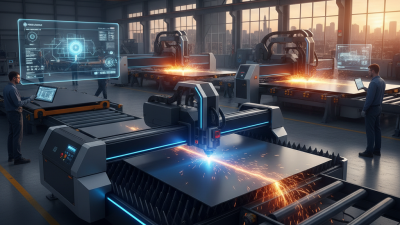
When choosing precision metal cutting machines, key features can significantly impact performance. Look for machines with robust build quality. A sturdy frame reduces vibrations and enhances cutting accuracy. Material selection also plays a role. High-quality steel components help ensure durability over time.
Precision is paramount in metal cutting. Focus on machines with advanced CNC technology. This allows for intricate designs and tight tolerances. Moreover, consider the machine's speed and feed rates. A good balance can lead to increased productivity without sacrificing quality.
Versatility is another crucial aspect. Machines that can handle various materials expand your project's potential. However, be cautious. A machine that claims to work on all materials may compromise precision. Regular maintenance is also necessary. Skipping maintenance can lead to degraded performance. Assess your needs carefully to make the right choice.
| Machine Type | Cutting Method | Max Cutting Thickness | Accuracy Level | Price Range (USD) |
|---|---|---|---|---|
| Laser Cutter | Laser | 20 mm | ±0.1 mm | $10,000 - $100,000 |
| Plasma Cutter | Plasma | 30 mm | ±0.5 mm | $5,000 - $50,000 |
| Waterjet Cutter | Waterjet | 100 mm | ±0.3 mm | $20,000 - $200,000 |
| CNC Mill | Milling | 50 mm | ±0.02 mm | $15,000 - $150,000 |
| EDM Machine | Electric Discharge | 25 mm | ±0.005 mm | $30,000 - $300,000 |
The precision metal cutting industry is evolving rapidly. Emerging technologies are redefining how manufacturers approach metal cutting. In 2026, buyers will have various options when selecting machines that meet their specific needs. Industry reports indicate that the demand for high-accuracy cutting tools is on the rise, with global market growth projected to reach over 7% annually until 2027.
Leading players in the market focus on enhancing efficiency and reducing waste. For instance, automation is becoming a common feature. Machines equipped with sophisticated software can analyze metal types and adjust cutting depths on the fly. This adaptability boosts both speed and precision. However, challenges remain. Companies must balance cutting-edge technology with cost-efficiency and skill training for operators.
Research highlights that brands investing in R&D are gaining a competitive edge. They are integrating advanced features like smart sensors and real-time monitoring. Customers increasingly prioritize quality and support over pricing alone. Yet, not all brands meet these rising expectations. Some fall short in user-friendly interfaces and training resources. This gap leaves users frustrated, emphasizing the need for thorough evaluation before making a purchase.
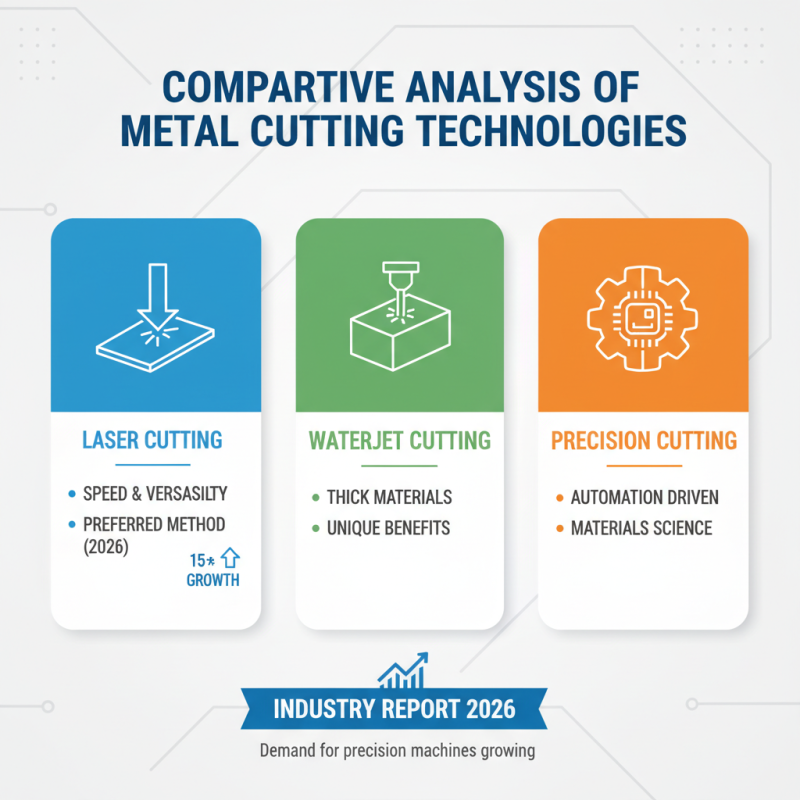
The landscape of metal cutting technologies is evolving rapidly. Insights from a recent industry report reveal that, by 2026, demand for precision cutting machines is expected to grow by over 15%. This growth is driven by advancements in automation and material science. Laser cutting remains the preferred method due to its speed and versatility, while waterjet cutting offers unique benefits for thicker materials. Each technology has distinct advantages.
Comparing traditional methods, plasma cutting and CNC machining show significant differences in efficiency and applicability. Plasma cutting excels in sheet metal operations, delivering high-speed processing. However, it may struggle with intricate designs. Meanwhile, CNC machining provides high precision, critical for complex components. Recent data indicates that industries need to reassess their cutting strategies. Not all methods are suited for every application. Enterprises must balance speed, precision, and cost to find the best fit.
Stakeholders should reflect on their existing operations. Understanding the limitations of each technology can lead to better investment decisions. The latest advancements promise to enhance operational efficiency but may require skill upgrades. The choice should align with specific production needs and long-term goals. Proper analysis and testing are essential before making significant equipment purchases. Embracing innovation while acknowledging existing gaps can pave the way for success in metal cutting.
Maintaining precision metal cutting machines is crucial for optimal performance. Regular maintenance reduces the risk of errors and extends the life of the equipment. Daily checks on coolant levels and lubrication points are essential. Ensuring the right amount of lubrication can prevent overheating and wear. Adjustments for blade sharpness should occur frequently to ensure clean cuts.
Scheduled inspections help catch small issues before they become significant problems. Operators should pay attention to vibrations and unusual noises. Documenting these observations can lead to better troubleshooting in the future. Calibration is also vital. Machines often drift out of specification after extended use, impacting accuracy.
Operators might overlook the importance of a clean workspace. Dust and metal shavings can interfere with machine parts. A clean environment minimizes contamination and enhances safety. Regular training on best practices can empower workers to recognize maintenance needs. Without proper diligence, a machine may fail when it matters most. Maintenance isn’t just a routine; it’s a commitment to quality and precision.
By using this site you agree to the use of cookies by the company in accordance with the Privacy Policy
Have a questions or want to know more about our company? We'll be expecting you.