By using this site you agree to the use of cookies by the company in accordance with the Privacy Policy
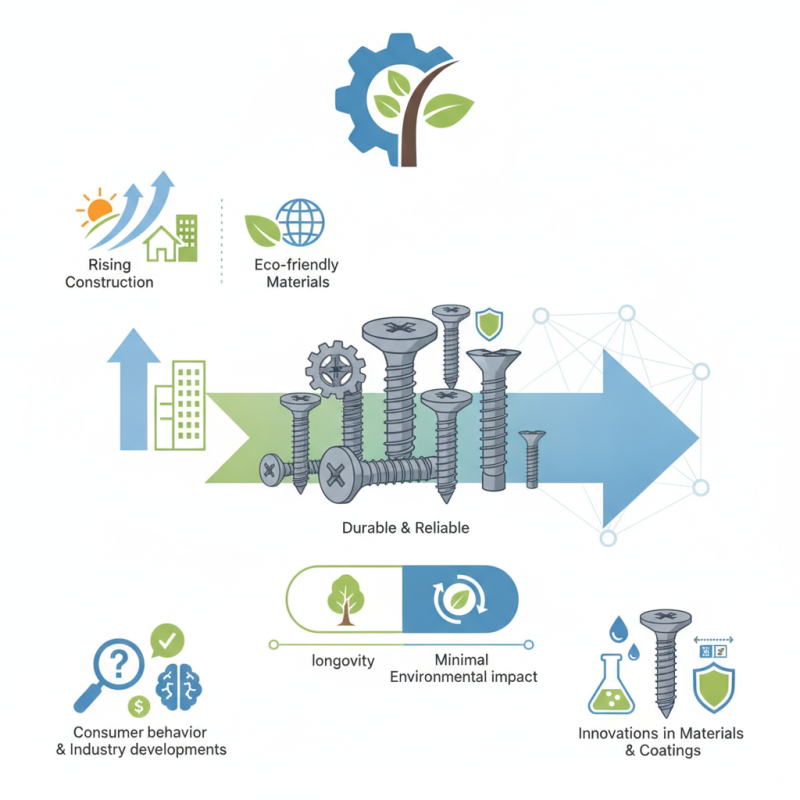
The Structural Wood Screws Market in China is witnessing significant transformation. This transformation is driven by rising construction activities and demand for eco-friendly materials. As the need for durable and reliable fastening solutions grows, structural wood screws have become essential in various applications, including residential and commercial construction.
In recent years, the emphasis on sustainability has reshaped consumer preferences. Builders and architects are increasingly opting for wood screws that ensure longevity and minimal environmental impact. Innovations in materials and coatings are enhancing the performance of these screws, making them more resistant to corrosion and wear. However, challenges remain in keeping pace with rapid technological advancements and changing market demands.
Understanding trends within the Structural Wood Screws Market requires careful analysis of consumer behavior and industry developments. Stakeholders must adapt to shifts in preferences while considering quality and cost-effectiveness. Though the industry is evolving, there are still gaps in knowledge regarding new materials and manufacturing techniques. Addressing these challenges will be crucial for companies aiming to thrive in this competitive landscape.
The structural wood screws market in China showcases a dynamic landscape shaped by evolving construction trends. Increasing urbanization and infrastructure projects drive strong demand for quality fastening solutions. These screws provide better load-bearing capacity, enhancing the durability of wood structures. Builders are showing a keen interest in screws that reduce installation time while ensuring structural integrity.
Recent changes in manufacturing techniques also contribute to market growth. Innovative production methods enhance precision and consistency in screw design. Meanwhile, sustainable materials are becoming more significant. Eco-conscious consumers and builders seek screws made from responsibly sourced materials. This shift reflects a broader trend toward sustainability in construction.
Yet, challenges persist. The market faces issues related to quality control. Not all products meet stringent safety standards. This inconsistency can lead to structural failures. Awareness of these concerns is growing among consumers and construction professionals. Improved regulations and standards are necessary to ensure safety and reliability. The future will depend on how effectively the industry addresses these hurdles while continuing to innovate.
| Trend | Current Market Status | Market Growth Rate (%) | Estimated Market Size (Million USD) | Key Drivers |
|---|---|---|---|---|
| Sustainability | Increasing demand for eco-friendly materials | 8% | 500 | Growing environmental awareness |
| Technological Advancements | Introduction of new materials and designs | 10% | 600 | Innovation in manufacturing |
| Customization | Growing demand for tailored solutions | 7% | 400 | Consumer choice and preferences |
| Automation in Production | Increasing use of automated machinery | 9% | 550 | Efficiency and cost reduction |
| Expansion of Construction Projects | Growth in building and infrastructure | 12% | 700 | Urbanization and infrastructure needs |
The structural wood screws market in China is rapidly evolving. Key players in this industry are diversifying their offerings to meet changing consumer demands. These companies focus on high-quality materials that ensure durability and reliability. They continually innovate, pushing for improved designs that enhance performance in construction projects.
Market share is an essential element of this industry. Major players dominate, but smaller manufacturers are emerging. Some of these newcomers show potential for significant growth. The competitive landscape fosters innovation and encourages companies to improve quality and efficiency. However, the challenge remains in maintaining consistent quality while scaling production.
Consumer preferences are shifting towards sustainable products. This trend compels manufacturers to rethink their sourcing and production methods. Companies are investing in eco-friendly materials to appeal to environmentally-conscious consumers. It is crucial for these businesses to balance sustainability and performance. The industry must navigate these complexities to succeed while responding to market demands.
In recent years, the structural wood screws market in China has witnessed notable changes. One of the most significant trends is the growing demand for eco-friendly materials. Builders and designers are increasingly prioritizing sustainable products. This shift reflects a broader environmental consciousness within the construction industry.
Another emerging trend is the rise of innovative fastening technologies. Traditional wood screws are being enhanced to improve strength and durability. Improved designs reduce the risk of wood splitting, making them more reliable. However, these advancements come with higher costs, presenting a challenge for budget-conscious builders.
Moreover, there is a noticeable shift towards greater customization. As project requirements become more specific, manufacturers are adapting their offerings. This trend requires firms to be agile and receptive to feedback. Not every company can navigate these changes effectively, which may result in missed opportunities. The landscape remains competitive, and adaptation is crucial for survival.
The structural wood screws market in China is experiencing rapid technological advancements. Innovations in manufacturing processes are enhancing the quality and performance of these essential fasteners. Tools and machinery are getting smarter, allowing for precise production. This precision leads to fewer defects and improved strength in the final products.
Sustainability is another trend shaping manufacturing. Eco-friendly materials are being developed. However, the shift to sustainable practices is not without challenges. Many companies struggle with the initial investment required. Understanding the balance of cost and sustainability remains a critical discussion.
Moreover, digital technologies like automation and AI are making waves in the industry. These technologies optimize supply chains, reducing production time. Yet, with rapid advancements, some manufacturers find it hard to keep up. The learning curve can slow down implementation, making adaptation crucial for long-term success.
The regulatory landscape for structural wood screws in China is increasingly complex. In recent years, regulations have evolved, aiming to enhance safety and sustainability. The introduction of the "Green Building Standard" has led to stricter requirements for materials used in construction. Reports indicate that compliance with these standards affects nearly 40% of the market's key players.
Additionally, local governments are enforcing quality control measures. These measures ensure that all screws meet specified performance standards. Failure to comply can result in substantial penalties. This has heightened awareness among manufacturers regarding the importance of testing and certification. Recent data shows a 25% increase in testing expenditures among top firms in the sector.
However, the regulatory environment can also present challenges. Some businesses struggle to keep up with changing policies and standards. This results in a lack of uniformity in product offerings. Industry players must balance compliance costs with market competitiveness. Continuous education and adaptation are essential for long-term success in this evolving landscape. Ensuring that products meet both regulatory and market expectations requires diligence and innovation.
By using this site you agree to the use of cookies by the company in accordance with the Privacy Policy
Have a questions or want to know more about our company? We'll be expecting you.