
By using this site you agree to the use of cookies by the company in accordance with the Privacy Policy

Why choose an iron laser cutting machine when conventional methods still appear familiar? The answer begins with control. A focused laser can follow complex profiles, produce narrow kerfs, and reduce mechanical contact with iron sheets. Edges often need less secondary grinding. The workshop floor may also stay cleaner, because the process creates no cutting chips. Small details matter. A 6 mm iron plate, a tight corner, and a repeated bracket can expose major differences in accuracy.
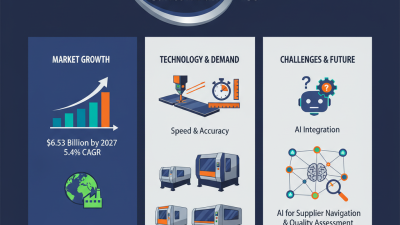
MarketsandMarkets estimated the global laser cutting machine market at approximately USD 6.8 billion in 2023. Its report projects growth to about USD 10.4 billion by 2028, with an 8.8% compound annual growth rate. These figures include several machine categories, not only iron processing. That limitation deserves attention. Still, the trend reflects stronger demand for automation, energy control, and flexible fabrication. Dr. Stefan Dimov, a recognized laser-manufacturing researcher, describes the technology’s value clearly: “Laser processing combines precision, flexibility, and localized energy delivery.” An iron laser cutting machine applies those advantages to frames, brackets, enclosures, and structural components. It can also support digital production, where a CAD file moves directly into the cutting workflow. That sounds simple. It is not always simple. Operators must match laser power, assist gas, focal position, and feed speed carefully. Poor settings can create dross, heat distortion, or inconsistent edges. The machine is powerful, but it is not automatic wisdom. Its real value appears when reliable equipment, trained operators, and disciplined inspection work together.
What Is an Iron Laser Cutting Machine?
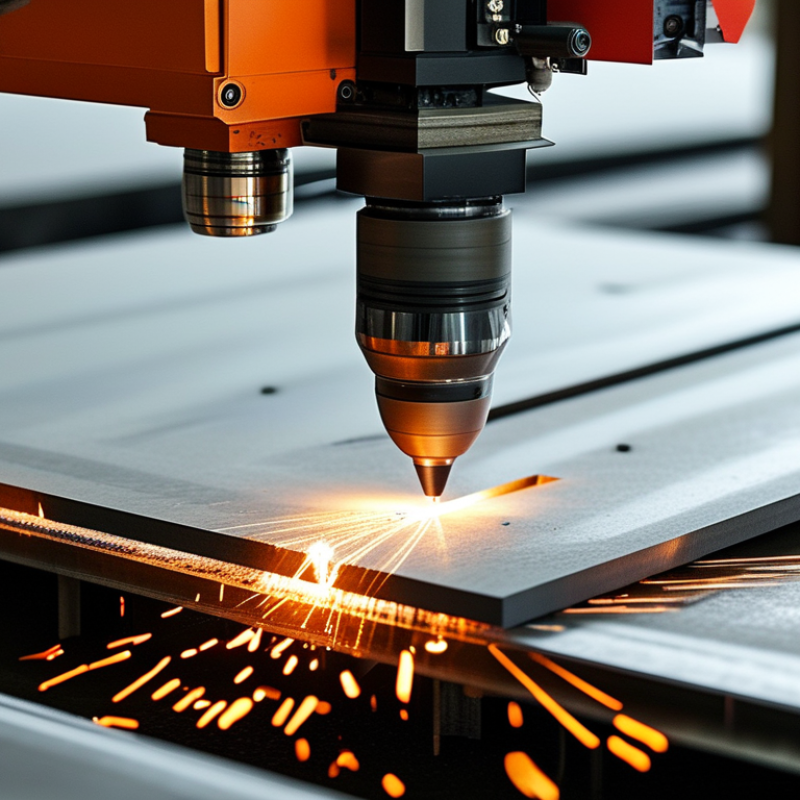
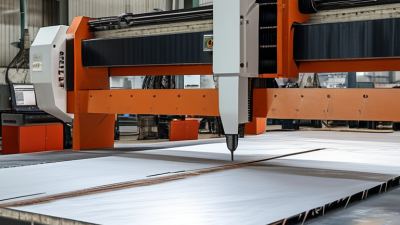
An iron laser cutting machine uses a focused beam of light to cut iron and steel sheets. The beam heats a narrow path until the metal melts or vaporizes. Compressed gas then removes the molten material. This process creates clean edges and detailed shapes.
The machine usually includes a laser source, cutting head, motion system, worktable, and control software. Operators can program circles, slots, brackets, and custom panels from digital drawings. In a workshop, a thin iron sheet may leave the table with only minor burrs. Thicker material requires slower movement and careful power settings. The result is not always perfect. Rust, uneven surfaces, and incorrect focus can reduce accuracy. That detail is easy to underestimate.
Tips: Check the metal grade before cutting. Remove heavy rust and oil from the surface. Set the correct focal height and gas pressure. Test a small section first. Watch for sparks, smoke, and edge discoloration. Proper ventilation and eye protection remain essential. Calibration also matters, even when the machine appears stable.
Unlike mechanical cutting, laser cutting produces less physical contact and often reduces tool wear. It can support repeatable production with narrow kerfs and controlled waste. However, performance depends on material thickness, laser power, lens condition, and operator training. A reliable cutting plan should include inspection after every important batch.
| Data Dimension | Typical Data or Description | Why It Matters |
|---|---|---|
| Definition | A laser cutting machine for iron and iron-based metals, including mild steel, carbon steel, and many stainless-steel grades. | It uses a focused laser beam to melt or vaporize material along a programmed cutting path. |
| Laser Type | Industrial fiber-laser systems commonly operate at a wavelength of approximately 1.07 micrometers. | The wavelength is well suited to cutting reflective and ferrous metals when the machine is correctly configured. |
| Common Rated Power | Approximately 1 kW to 6 kW for many general sheet-metal applications; higher-power systems are available for heavier plate. | Higher power can increase cutting capacity and productivity, but the result also depends on material grade, thickness, gas, nozzle, and process settings. |
| Typical Mild-Steel Capacity | Roughly 0.5–25 mm on industrial systems, depending on laser power, cutting speed, and the required edge quality. | The capacity range supports thin sheet, structural parts, brackets, frames, and medium-thickness plate. |
| Typical Stainless-Steel Capacity | Approximately 0.5–20 mm on many industrial systems, with nitrogen often selected when a bright, low-oxidation edge is required. | Laser cutting can produce clean profiles for food-processing equipment, architectural parts, enclosures, and precision components. |
| Typical Cutting Speed | Thin sheet may be processed at several meters per minute; thicker material is normally cut at lower speeds. | Actual speed must be determined through material-specific cutting parameters rather than a single universal rating. |
| Kerf Width | Often approximately 0.1–0.3 mm, depending on nozzle size, focus position, material thickness, and process settings. | A narrow kerf helps reduce material waste and supports detailed contours and close nesting. |
| Dimensional Accuracy | Many precision laser systems can achieve positioning accuracy in the range of approximately ±0.05–0.10 mm under suitable operating conditions. | Accurate cutting reduces secondary machining and improves consistency between repeated parts. |
| Assist Gases | Oxygen is commonly used for carbon steel; nitrogen is widely used for stainless steel and for low-oxidation edges. | Gas selection affects cutting speed, edge color, dross formation, operating cost, and downstream finishing. |
| Contact With Workpiece | Non-contact thermal process; the cutting head does not mechanically touch the metal during the cut. | This reduces tool wear and allows intricate shapes without the cutting-force limitations associated with many mechanical processes. |
| Edge Quality | A properly tuned process can produce a narrow heat-affected zone and smooth edges with limited dross. | Good edge quality can reduce grinding, deburring, and other secondary operations. |
| Material Utilization | Computerized nesting can place multiple parts efficiently on one sheet and optimize the cutting sequence. | Better nesting can lower scrap rates and improve the cost efficiency of batch production. |
| Suitable Applications | Metal enclosures, brackets, machine parts, signs, frames, furniture components, ducts, and structural fabrication. | The process is suitable for prototypes, customized parts, and repeat production with digital files. |
| Key Advantages | High repeatability, narrow kerf, flexible profile cutting, low tool contact, fast setup for digital designs, and reduced secondary processing. | These features can improve productivity and make the machine practical for varied metal-cutting requirements. |
| Important Selection Factors | Laser power, working area, maximum sheet weight, automation level, cutting-gas system, material range, software compatibility, ventilation, and safety controls. | The correct configuration should be selected according to actual material thickness, production volume, part size, tolerance, and operating environment. |
Note: Performance figures are representative industrial ranges. Actual results vary with machine configuration, material grade, thickness, assist gas, nozzle condition, and cutting parameters.
Have a questions or want to know more about our company? We'll be expecting you.
