Why is Drywall the Best Choice for Your Construction Needs?
In the world of construction, "Drywall" has emerged as a preferred choice for many. Renowned industry expert, Dr. Emily Chen, emphasizes, “Drywall provides a balance of affordability and sustainable performance.” This sentiment encapsulates why builders and homeowners increasingly favor Drywall over traditional materials.
Drywall is lightweight yet strong, making it easier to install. It offers excellent fire resistance, crucial in modern buildings. Many new constructions leverage its versatile nature and soundproofing qualities. However, it is essential to remember that improper installation can lead to issues like cracking or mold. Addressing these potential pitfalls requires careful planning and skilled craftsmanship.
Quality is not uniform in the market. Factors such as brand, composition, and installation practices can influence longevity and effectiveness. Awareness of these variances can guide your choice in selecting the right Drywall for your needs. The best option may not always be the most well-known brand, but one that suits your specific project requirements.
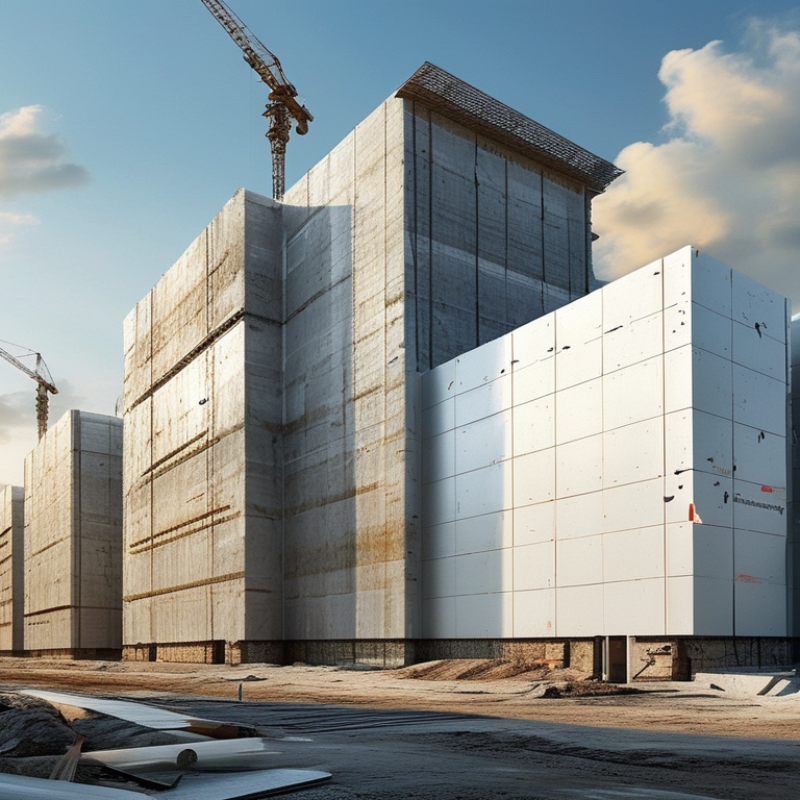
Advantages of Drywall Compared to Traditional Wall Materials
When considering wall materials for construction, drywall stands out for several compelling reasons. According to the Gypsum Association, drywall construction can reduce labor costs by up to 20% compared to traditional materials. This efficiency is due to the ease of installation. Skilled workers can quickly install large sheets of drywall, minimizing time on the job site.
Moreover, drywall offers superior fire resistance. A study by the National Fire Protection Association indicates that fire-rated drywall can slow down the spread of flames for up to an hour. This feature is crucial in enhancing the safety of residential and commercial buildings. Additionally, drywall is lighter than brick or plaster, which reduces the overall structural stress on buildings.
However, it's important to acknowledge some challenges. Drywall can suffer from water damage if improperly installed, and it is less durable than materials like concrete. These factors can lead to higher repair costs over time, particularly in humid climates. Proper maintenance and thoughtful installation techniques are required to address these issues effectively. Being aware of these pros and cons can lead to informed decisions in construction projects.
Cost-Effectiveness of Drywall in Construction Projects
Drywall has become a go-to choice in construction due to its cost-effectiveness. According to the Gypsum Association, drywall installation costs about $1.50 to $2.00 per square foot. This figure makes it a budget-friendly option for various projects. In addition, it can be installed quickly, which means savings on labor costs. Compared to traditional plaster walls, drywall can cut costs by up to 50%.
Installing drywall can drastically reduce the overall timeline of construction projects. The reduced drying times for mud and tape applications allow contractors to move forward faster. This efficiency is crucial for meeting deadlines and decreasing overhead costs. Builders and homeowners alike appreciate the adaptability of drywall in various environments, from residential to commercial.
Tips: Always consider local material costs, as prices can vary by region. Comparing different drywall types can lead to better choices, such as moisture-resistant options for bathrooms. Remember, while drywall is efficient, it can be susceptible to damage. Regular maintenance and repair are essential, and keeping spare sheets on hand can save time later.
Ease of Installation and Versatility of Drywall
When it comes to construction, drywall stands out for its ease of installation and versatility. Recent industry reports indicate that drywall can be installed up to 50% faster than traditional plaster systems. This speed is beneficial in both residential and commercial projects. Skilled workers can cover large areas quickly, minimizing labor costs and project timelines.
Drywall is also adaptable. It can be used in various spaces, from residential homes to office buildings. According to a survey by the Gypsum Association, more than 90% of U.S. commercial buildings use drywall for interior walls. This is due to its lightweight nature and ease of modification. Walls can be easily shaped and repurposed to meet changing needs. In an environment where flexibility is crucial, drywall offers a practical solution.
Despite its many advantages, some issues may arise. Drywall can suffer from moisture damage, especially in humid areas. Proper installation and moisture-resistant options are vital to mitigate these concerns. There's also a learning curve for novice installers. While the potential for mistakes exists, these challenges can be overcome with the right training and attention to detail.
Fire Resistance and Soundproofing Benefits of Drywall
When it comes to construction, drywall stands out for its fire resistance and soundproofing benefits. Fire-resistant drywall contains gypsum, which slows down the spread of flames. This is crucial in homes and commercial buildings. A well-placed drywall can buy critical time for evacuation. It’s essential to choose the right type based on your needs. Relying solely on its fire-resistant qualities can be misleading. Proper installation is key.
Soundproofing is another significant advantage of drywall. It helps reduce noise between rooms. This is especially beneficial in multi-family buildings. High-density drywall can enhance soundproofing further. However, not all drywall provides the same level of noise control. Some environments may require additional measures such as insulation. Ignoring these details can lead to disappointment. It’s important to consult with professionals to get the best results.
In conclusion, while drywall offers many benefits, understanding its limitations is necessary. It’s a popular choice, but not without flaws. Balancing its advantages against your project’s specifics will lead to the best outcomes. Knowing when to enhance drywall with extra features can ensure a safer and quieter space.
Why is Drywall the Best Choice for Your Construction Needs? - Fire Resistance and Soundproofing Benefits of Drywall
| Feature | Description | Rating (out of 10) |
| Fire Resistance | Drywall is made from gypsum, which is naturally fire-resistant and helps to prevent the spread of flames. | 9 |
| Soundproofing | Drywall provides effective sound insulation, making it ideal for residential and commercial buildings where noise control is essential. | 8 |
| Cost-Effectiveness | Compared to other wall options, drywall is relatively inexpensive and offers a good balance between cost and durability. | 7 |
| Installation Ease | Drywall is lightweight and easy to handle, allowing for quick and efficient installation by professionals and DIY enthusiasts. | 8 |
| Energy Efficiency | The insulation properties of drywall enhance overall energy efficiency in buildings, leading to potential savings on heating and cooling. | 7 |
Sustainability and Environmental Impact of Using Drywall
Drywall has emerged as a leading choice in construction due to its sustainability and low environmental impact. According to the U.S. Gypsum Association, drywall production has a reduced carbon footprint compared to many traditional building materials. Studies show that drywall can help reduce energy consumption by acting as an insulator. Its ability to stabilize indoor temperatures can lower heating and cooling costs significantly.
The environmental benefits of drywall extend to its production process as well. A report from the National Institute of Standards and Technology highlights that recycled content in drywall can reach up to 30%. This means less reliance on new materials and a decrease in waste. However, the recycling process isn't flawless. Not all drywall is recycled effectively, leading to some waste still entering landfills.
Moreover, drywall's durability contributes to its sustainability. It withstands time and wear in most environments. Yet, improper installation can compromise its longevity, leading to replacements that may not always be necessary. It's essential to weigh these factors when choosing drywall for your projects. Understanding both benefits and challenges helps in making an informed decision that aligns with sustainability goals.


