By using this site you agree to the use of cookies by the company in accordance with the Privacy Policy
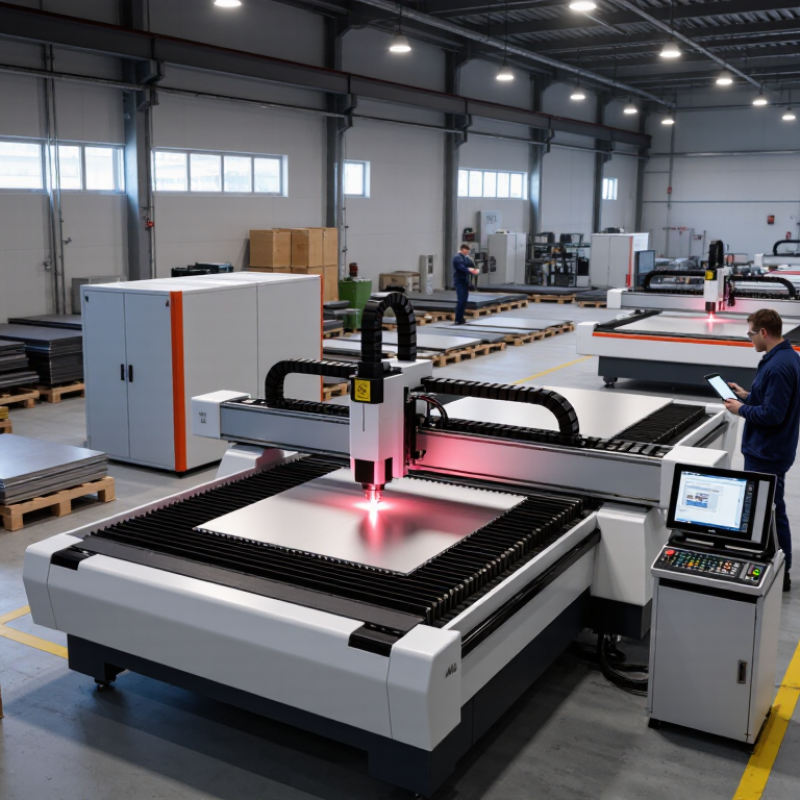
The 2026 market for sheet metal CNC laser cutting machine technology is becoming more specialized, measurable, and demanding. Manufacturers now compare laser source power, automation, accuracy, energy use, and service support before selecting equipment. A modern workshop may cut stainless steel beside a fiber laser, while an operator checks nozzle height and kerf quality on a tablet.
Industry data supports this growing attention. Fortune Business Insights estimated the global laser cutting machine market at approximately USD 5.44 billion in 2023. Its report projects continued expansion through 2032, driven by automotive, aerospace, electronics, and general fabrication demand. Grand View Research also identifies automation and fiber laser adoption as major market drivers. These findings explain why machine categories are increasingly separated by laser type, cutting format, automation level, and material capability.
Performance is not only about higher wattage. A 12 kW system may increase productivity, yet it can also require stronger extraction, careful thermal management, and better operator training. That detail is sometimes overlooked. The International Energy Agency’s manufacturing and efficiency research also reinforces the wider industry movement toward smarter, lower-waste production systems.
This guide examines the top types expected to shape 2026. It considers fiber, CO2, tube, sheet-and-tube, high-power, and automated laser platforms. Each type has practical strengths and limitations. No machine suits every factory. Real experience still matters, especially when comparing thin aluminum, reflective brass, and thick carbon steel. The figures provide direction, not certainty. Regional costs, technical support, and daily production patterns can change the final decision.
2026 Top Types of Sheet Metal CNC Laser Cutting Machines
Machine Structure and Core Components of Sheet Metal CNC Laser Cutters
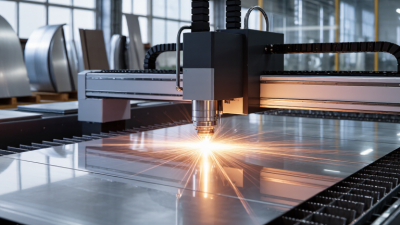
A sheet metal CNC laser cutter starts with a rigid machine bed. Welded steel frames resist vibration during high-speed movement. Stress relief matters because untreated metal can slowly distort. That error may appear as a small dimensional mismatch after many production cycles.
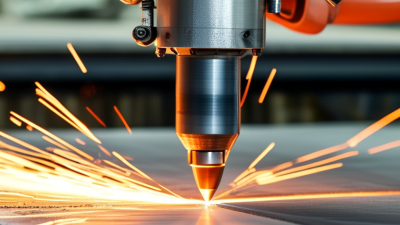
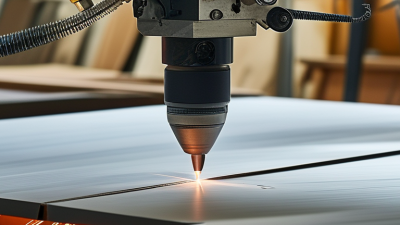
The gantry carries the cutting head across the working area. Linear guides, drive systems, and servo motors control its motion. Good alignment keeps corners sharp and reduces unnecessary heat input. The cutting head usually contains a protective window, focusing lens, height sensor, and nozzle. The sensor follows uneven sheet surfaces, while the lens concentrates the beam into a precise cutting point. Small parts need stable focus. Very small changes matter.
The laser source supplies concentrated energy, but it is not the only performance factor. Assist-gas regulators, cooling units, electrical cabinets, and control software work as one system. Oxygen can support faster cutting in some steels, while nitrogen often produces cleaner edges on stainless materials. Operators should inspect nozzle wear, lens contamination, guide lubrication, and coolant temperature regularly. I have seen excellent machines lose accuracy because basic maintenance was delayed. A stronger frame cannot correct poor calibration. Even experienced teams should review their settings after material changes, because thickness, surface condition, and heat behavior can vary between batches.
2026 Top Types of Sheet Metal CNC Laser Cutting Machines
Major Laser Sources Used in Sheet Metal CNC Cutting Machines
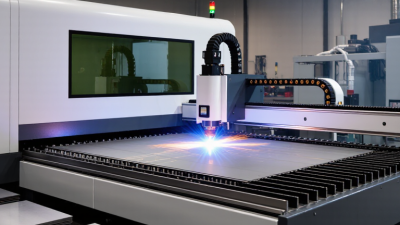
Fiber laser sources dominate modern sheet metal CNC cutting because their wavelength suits steel, stainless steel, and aluminum. The beam travels through optical fiber, reducing alignment work and routine maintenance. High electrical efficiency also supports lower operating costs during long production shifts. On a 2 mm stainless steel sheet, a stable beam can produce a narrow kerf and clean edges. Assist gas pressure still matters. A poor setting can create heavy dross, even with a powerful source.
CO2 laser sources use a longer wavelength and remain useful for thicker materials and mixed workshop applications. They can cut mild steel effectively, but their mirrors, resonators, and beam paths require regular inspection. Reflective metals may need careful parameter control. Maintenance mistakes are easy to overlook. A contaminated optical surface can reduce cutting quality before operators notice the real cause.
Solid-state disk and diode-based sources also appear in specialized CNC systems. Disk lasers can deliver strong beam quality for demanding production, while diode sources offer promising efficiency and simpler architecture. However, real performance depends on spot size, cutting head design, assist gas, and material thickness. There is no perfect source. A factory should compare duty cycle, maintenance skill, material range, and expected sheet thickness before choosing. My rule is not absolute; practical trials often reveal limitations that a specification sheet hides.
| Laser Source Type | Typical Wavelength | Laser Medium | Common Industrial Power Range | Typical Sheet-Metal Capability* | Best-Suited Materials | Common Assist Gases | Main Advantages | Key Considerations |
|---|---|---|---|---|---|---|---|---|
| Fiber Laser | Approximately 1,030–1,080 nm | Rare-earth-doped optical fiber, commonly using ytterbium | 1–30 kW for industrial sheet and plate systems |
Thin sheet to heavy plate. Typical production systems process approximately 0.5–25 mm mild steel, depending on power, optics, and cutting speed. |
Mild steel, stainless steel, aluminum, galvanized steel, brass, and copper | Oxygen, nitrogen, or compressed air | High electrical efficiency, strong performance on reflective metals, compact optical path, low routine maintenance, and high cutting speed on thin and medium-gauge sheet. | Cutting performance depends strongly on beam quality, nozzle condition, focus position, assist-gas pressure, and material surface condition. High-power systems require effective heat management and safety controls. |
| CO2 Laser | Approximately 10.6 µm | Gas mixture primarily containing carbon dioxide, nitrogen, and helium | 1–20 kW in established industrial cutting equipment |
Thin sheet to medium and heavy plate. Typical systems process approximately 0.5–20 mm mild steel, with the practical range varying by rated power and machine configuration. |
Mild steel and stainless steel; also suitable for many nonmetallic materials when the machine is configured for them | Oxygen and nitrogen | Mature technology, stable cutting of many steel grades, and a long-established process database for industrial fabrication. | Lower wall-plug efficiency and greater maintenance requirements than modern fiber systems. The longer wavelength is less favorable for highly reflective metals such as copper and brass. |
| Direct-Diode Laser | Approximately 900–1,070 nm, depending on diode design | Semiconductor laser diode modules, combined into a high-power beam | 2–20 kW in specialized industrial systems |
Thin and medium-gauge sheet, with selected systems extending into thicker plate applications. Approximately 0.5–15 mm is a common practical range, depending on beam quality and power. |
Stainless steel, mild steel, aluminum, copper, brass, and other reflective alloys | Nitrogen, oxygen, or compressed air | High electrical efficiency, direct conversion from electrical energy to laser light, good absorption by many metals, and potential for high processing productivity. | Beam quality and spot-size control vary by optical design. The cutting result can be more sensitive to process settings than a comparable high-quality fiber system. |
| Disk Laser | Approximately 1,030–1,070 nm | Thin solid-state gain medium, commonly a rare-earth-doped disk cooled from its rear surface | 2–20 kW in advanced industrial applications |
Thin sheet to heavy plate. Approximately 0.5–25 mm is achievable on suitable systems, subject to power, material grade, and cutting strategy. |
Mild steel, stainless steel, aluminum, copper, brass, and other highly reflective metals | Oxygen, nitrogen, or compressed air | Excellent beam quality at high power, strong focusability, good performance on reflective materials, and suitability for demanding precision cutting. | More complex thermal management and optical architecture can increase equipment cost and service requirements. It is less common in general-purpose sheet-metal shops than fiber laser equipment. |
| Pulse-Optimized Solid-State Laser | Near-infrared, commonly around 1,030–1,070 nm | Solid-state gain medium operated with pulsed or modulated output | Typically below the power range of large continuous-wave cutting systems |
Thin sheet, foils, precision components, and fine-feature work. Often selected for thin materials rather than high-volume heavy-plate cutting. |
Thin stainless steel, aluminum, copper, brass, coated sheet, and small precision parts | Nitrogen, argon, oxygen, or compressed air, depending on material and edge-quality requirements | Shorter thermal interaction, fine kerfs, precise small features, and reduced heat-affected zones in thin materials. | Generally not the first choice for high-speed cutting of thick structural plate. Pulse settings, frequency, and material condition have a strong effect on edge quality. |
*Thickness ranges are general industry reference values rather than guaranteed machine specifications. Actual results depend on laser power, beam quality, focal length, nozzle design, assist-gas purity and pressure, material grade, surface condition, sheet flatness, and the required edge quality.
Sheet metal CNC laser machines differ by laser source and working structure. Fiber laser systems are widely used for carbon steel, stainless steel, and aluminum sheets. They cut quickly and transfer energy efficiently. Their focused beam can produce narrow kerfs and clean edges. CO2 laser systems remain useful for thicker materials and mixed workshop applications. However, they usually require more maintenance and consume more power. Pulsed laser equipment suits delicate parts, thin gauges, and heat-sensitive jobs. The correct source depends on thickness, reflectivity, tolerance, and production volume.
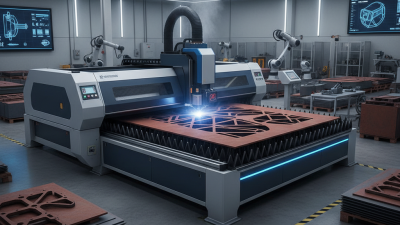
Machine design also changes daily productivity. Flatbed machines handle standard sheets on a fixed cutting table. Shuttle-table models reduce loading delays during repeated production. Sheet-and-tube machines cut plates, square tubes, and round pipes in one setup. Three-dimensional systems serve formed or angled components, but programming requires stronger process control. In practice, a larger machine is not always better. An oversized bed may increase floor space, setup time, and material waste. I have seen buyers overlook these costs.
Tips: Check the real sheet size, laser power, nozzle options, and extraction capacity. Test a sample part before purchase. Inspect edge dross, corner accuracy, and piercing marks. Ask operators about cleaning access and software learning time. Small details matter. Also, leave room for improvement. A cutting chart may look perfect, yet unstable material quality can change results.
Choosing a sheet metal CNC laser cutting machine starts with material, thickness, and daily workload. A thin-sheet workshop may value high acceleration, while heavy plate production needs stable power and rigid construction. Cutting speed matters, but it is not everything. Poor motion control can leave rough edges, heat marks, or inconsistent corners.
Check the laser source, cutting head, and assist-gas control as one system. A reliable machine should maintain a focused beam across the working area. Its software should support nesting, automatic height sensing, and clear fault alerts. These features reduce scrap and protect operators from avoidable mistakes. Test the edge.
From practical shop-floor evaluations, repeatability often matters more than a machine’s advertised peak speed. Examine sample cuts at several thicknesses, not just polished demonstrations. Ask how quickly consumables can be replaced and whether routine calibration is straightforward. Maintenance access is easy to overlook. I once saw a fast cutter lose production time because cleaning the optics required awkward disassembly. That experience changed my evaluation checklist. No machine is perfect, and real performance can vary with gas purity, material quality, and operator habits. A careful trial using your own steel, aluminum, or stainless sheets gives more dependable evidence.
Fiber, CO₂, disk, and Nd:YAG laser cutters cover different application ranges. The chart compares representative laser source power ranges commonly used in industrial sheet-metal CNC cutting. Higher power can support thicker materials, but cutting speed, beam quality, assist-gas consumption, thermal control, automation, and operating cost should also be evaluated before selecting a machine.
2026 Top Types of Sheet Metal CNC Laser Cutting Machines
Fiber laser machines suit most modern fabrication lines because they cut carbon steel, stainless steel, and aluminum efficiently. They handle brackets, electrical cabinets, automotive panels, machine guards, and custom enclosures with clean, repeatable edges. High-power models can process thicker carbon steel, while lower-power systems often deliver better control on thin sheets. CO2 machines still have value in some workshops, especially where mixed materials and existing equipment shape purchasing decisions.
Material compatibility requires more than checking thickness. Carbon steel cuts predictably, but surface rust can affect edge quality. Stainless steel needs controlled heat input to limit discoloration and warping. Aluminum reflects laser energy and conducts heat quickly, so stable fixturing and correct gas settings matter. Brass and copper are possible on suitable fiber systems, though their reflectivity demands careful parameter control. Galvanized sheet can release hazardous fumes and may produce inconsistent edges without proper ventilation and process settings. In real production, small tests often reveal problems that specifications miss.
Tips: Keep a sample library for each material and thickness. Record power, speed, focus, and assist-gas settings. Inspect pierced holes and underside dross, not only the top edge. Leave protective film on coated sheets when appropriate. I still recommend testing recycled or unusually reflective stock, because identical grades can behave differently. That extra test can prevent a full batch from becoming scrap.
By using this site you agree to the use of cookies by the company in accordance with the Privacy Policy
Have a questions or want to know more about our company? We'll be expecting you.