What Is the Best Pulp Making Machine in China?
Choosing the best pulp making machine in China starts with the material, not the catalogue. Are you processing office paper, corrugated boxes, or mixed recovered paper? Each feedstock behaves differently in the pulper. Ink, tape, moisture, and unwanted fragments can affect pulp quality and operating costs. Small details matter. A sample that looks clean may still contain stubborn labels.
This guide compares machine types, capacity, energy use, water management, wear parts, and automation. It also explains how to assess suppliers without relying on a headline price or an impressive showroom. Ask for specifications tied to your actual production target. Request a trial using representative raw material, and check how the supplier handles installation, operator training, spare parts, and after-sales support. Written references and clear warranty terms can help verify claims. Not always. A spreadsheet can make one model seem perfect; a difficult batch may tell another story.
There is no single pulp making machine that suits every mill. A small operation may value straightforward maintenance, while a larger plant may need steady output and tighter process control. Compare total operating needs, not just rated capacity. This introduction sets out practical questions to guide that comparison. It cannot replace an independent technical inspection, and supplier claims deserve careful checking. The right choice is the machine that performs reliably with your feedstock, fits your site, and meets your product requirements.
What Is a Pulp Making Machine?
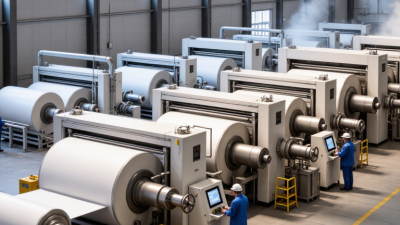
A pulp making machine is a processing system that separates usable fibers from paper or other suitable fibrous materials. It combines feedstock with water and mechanical energy to create a pumpable pulp slurry. A typical production line may include pulping, screening, cleaning, and refining. These stages help remove unwanted particles and prepare the fibers for later use. The term can be misleading. A pulper makes slurry, not finished paper.
The right setup depends on the material being processed. Recovered paper may contain ink, coatings, or small pieces of plastic, while plant fibers often need different preparation. A mill should check sample material, expected output, water supply, and the pulp quality required before choosing equipment. Small differences in moisture or feedstock mix can affect the result. That matters.
When comparing pulp making machines in China, look beyond rated capacity. Ask how output changes with your actual feedstock, and check energy use, wear parts, cleaning access, and service support. During operation, monitor slurry consistency, motor load, and reject volume. These checks can reveal a process problem before it disrupts production. No universal winner. A machine that suits one mill may be inefficient for another, and stated capacity alone rarely tells the whole story.
How Does a Pulp Making Machine Work?
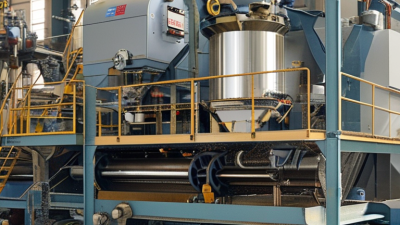
A pulp-making machine converts wood chips or recovered paper into a clean, usable fiber suspension. In wood-based lines, chips are cooked with water and chemicals to separate their fibers. Recovered-paper lines use a pulper, where rotating blades loosen paper in water. Screens then catch tape, plastic, and other unwanted material; cleaners remove grit. The details vary by feedstock. FAO’s Forestry Production and Trade data for 2022 records roughly 190 million tonnes of global wood-pulp production, showing the scale these processes serve.
The cleaned pulp may be washed, screened again, and refined to improve fiber bonding. Operators monitor consistency, flow, and temperature; a few percentage points of moisture can affect pumping and product quality. It is not always tidy. Wet clumps can hide contaminants, so inspection still matters. CEPI’s Key Statistics 2023 reports a 79.3% paper recycling rate in Europe, making recovered-fiber preparation an important part of the production chain. That figure describes recycling, not machine efficiency. A well-run line balances fiber quality, water use, energy demand, and throughput, then sends the finished pulp onward for papermaking or storage.
What Types of Pulp Making Machines Are Made in China?
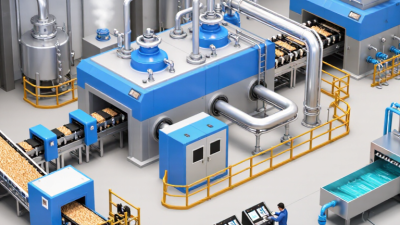
Chinese pulp-making equipment generally falls into four groups: chemical, mechanical, recycled-fiber, and non-wood-fiber systems. Chemical lines cook wood chips with process chemicals, then wash and screen the pulp. Mechanical systems use refiners to separate fibers, often for paper grades where brightness and strength requirements differ. Recycled-fiber lines start with a hydrapulper and may add screening, cleaning, and deinking equipment. Non-wood lines process materials such as bamboo or straw; their preparation and screening stages need careful adjustment. These are real differences, not just machine labels.
China Paper Association’s 2023 annual report recorded 127.05 million tonnes of paper and paperboard production in China. That figure describes downstream output, not pulp-machine capacity, but it helps explain why local equipment covers large continuous mills as well as smaller, specialized lines. Selection depends on feedstock, target pulp quality, water use, and available space. A brochure rarely shows the whole story. Ask for trial data using your actual raw material, and check operating costs alongside rated capacity.
Tips: Inspect screens and refiner plates during a site visit. Ask how often they need replacement. One detail is easy to miss: variable feedstock can change energy use and pulp quality, even with the same machine settings.
Which Features Matter When Comparing Pulp Making Machines?
What Is the Best Pulp Making Machine in China?
Which Features Matter When Comparing Pulp Making Machines?
A suitable pulp making machine should match your raw material, target output, and finished-product requirements. FAO’s forest-products statistics put global paper and paperboard production near 400 million tonnes in 2022, showing the scale of the industry—but not proving that the largest machine is best. Compare usable capacity with your actual production plan. Check whether the pulper handles your fiber mix consistently, and ask for performance data using material similar to yours. A clean test sheet matters more than a polished brochure.
Energy and water use deserve close attention. Request consumption figures per tonne of finished pulp, plus details on screening, cleaning, and water recovery. Compare control features too: stable consistency readings and accessible fault alerts can reduce avoidable stoppages. Inspect wear parts, maintenance access, and local technical support. These details can be hard to judge from a specification sheet alone. I would also question unusually strong efficiency claims unless the testing conditions are clearly documented.
Tips: Ask suppliers for a trial using your feedstock. Record output quality, power use, water use, and downtime. Then compare the results under the same operating conditions. A cheaper machine may fit a small line well; it may also bring higher maintenance needs. That trade-off is worth checking before purchase.
How Can Buyers Identify the Best Machine for Their Needs?
Choosing a pulp making machine starts with the product, not the headline capacity. A small molded tray line and a high-volume paper mill need very different equipment. List your target products, daily output, pulp sources, and available floor space before comparing quotations. Be specific. Ask whether quoted capacity assumes ideal feedstock and continuous operation; real production rarely stays that tidy.
Inspect the full process, including pulping, screening, refining, and dewatering. If the machine handles recycled paper, request a trial using material similar to yours. Watch for uneven pulp, excess rejects, and water that drains too slowly. These details affect quality and operating costs. Check power and water consumption, changeover time, cleaning access, and the availability of wear parts. A machine that looks efficient on paper may demand more labor than your site can provide.
Ask for measured results, not broad claims. Request sample products, operating data, and references from facilities with comparable materials and output. Clarify what installation, operator training, and after-sales support include. A written maintenance schedule is useful. So is a clear list of expected replacement parts. Buyers can overlook noise, dust, or cramped access around pumps; those small details matter after months of operation. No single specification settles the decision. Compare the machine against your actual workflow, and note where your own estimates may still be uncertain.
What Is the Best Pulp Making Machine in China? How Can Buyers Identify the Best Machine for Their Needs?
Use the consistency range that matches your process stage when comparing equipment. These broad, indicative ranges vary by furnish, mill design, and operating conditions; they are not machine performance ratings. Also compare required capacity, feedstock compatibility, pulp quality, energy and water use, automation, maintenance access, and local technical support.