en
Get in touch

7 Best Steel Laser Cutting Machines for Global Buyers?

Steel remains a foundation of construction, energy, transportation, and industrial manufacturing. According to worldsteel’s World Steel in Figures 2025, global crude steel production reached approximately 1.88 billion tonnes in 2024. That scale creates constant demand for faster, cleaner, and more consistent fabrication. A reliable steel laser cutting machine can shape carbon steel, stainless steel, and galvanized sheets with narrow kerfs and limited thermal distortion.

However, choosing equipment is not simply a matter of laser power. The right decision depends on material thickness, sheet size, cutting speed, assist-gas control, software, maintenance support, and total operating cost. The International Federation of Robotics reports continuing growth in industrial automation, but automation alone does not guarantee profitable production. Poor nesting, unstable gas pressure, or weak after-sales service can reduce the value of an expensive machine.

Small details matter.

This guide reviews seven steel laser cutting machines for global buyers. It considers practical specifications, including fiber source reputation, table configuration, maximum cutting capacity, positioning accuracy, safety systems, and regional service coverage. ISO 9013 provides useful guidance for evaluating thermal-cutting quality, although supplier claims still require careful verification. Published data can differ between laboratories, materials, and operating conditions. That is an important limitation. Buyers should request sample cuts, inspect edge quality, confirm electrical requirements, and calculate realistic throughput before purchasing. The strongest machine on paper may not be the best fit for every workshop. Our comparison therefore focuses on dependable performance, transparent specifications, and long-term usability across different production environments.

7 Best Steel Laser Cutting Machines for Global Buyers?

What Steel Laser Cutting Machines Are and How They Work

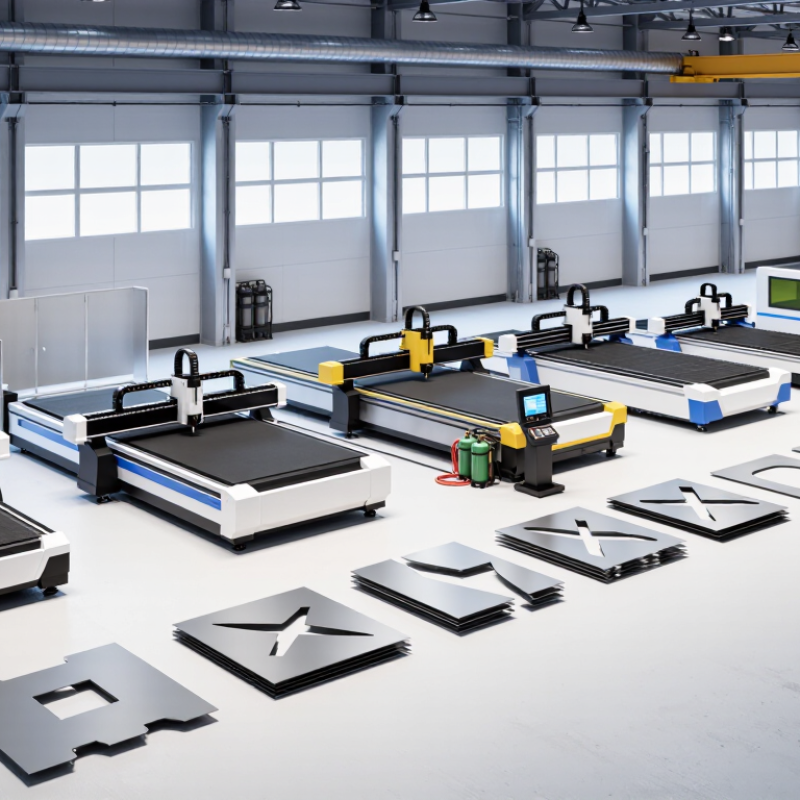
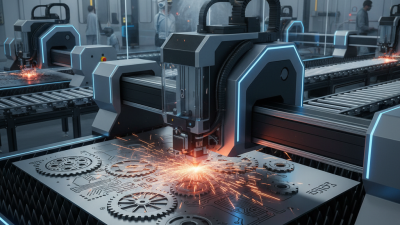
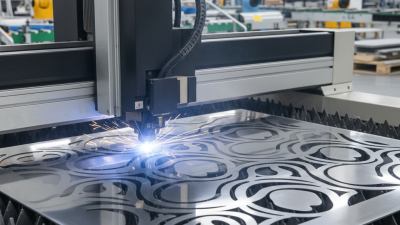
Steel laser cutting machines use a focused light beam to cut carbon steel, stainless steel, and other metal sheets. The beam creates intense heat inside a narrow cutting zone. The metal melts or vaporizes along the programmed path. A CNC controller guides the cutting head with precise movements. Most current systems use fiber laser sources because they transfer energy efficiently. CO2 systems still serve some thicker or specialized applications. That difference matters.

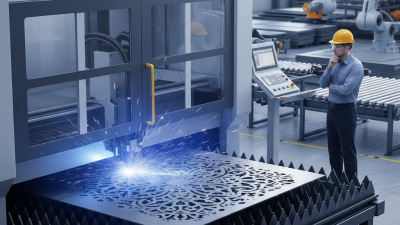
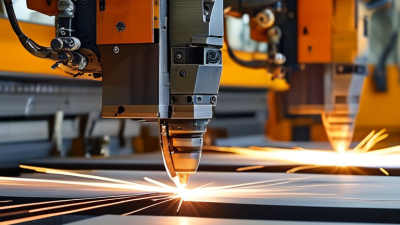
During cutting, the machine follows digital geometry from CAD or nesting software. Assist gas pushes molten metal away from the kerf. Oxygen can increase cutting speed on mild steel, while nitrogen usually produces cleaner stainless steel edges. The nozzle must stay centered and maintain the correct height. An operator checks sparks, sound, and edge color during production. Small errors show. A scratched protective window, worn nozzle, or unstable focus can create dross and rough corners. Enclosed cabinets, door interlocks, extraction systems, and emergency controls support safer operation.

For global buyers, selection should match actual material thickness, sheet size, duty cycle, and local service skills. A 3 kW machine may cut common thin and medium steel efficiently, but thicker plate needs more power and slower settings. Ask for test cuts using your own steel grade. Inspect the edge, kerf width, piercing mark, and dimensional accuracy. A fast machine can still waste steel through poor nesting or unstable focus. Perfect settings rarely arrive on day one. Careful operators record gas pressure, speed, power, and nozzle height for repeatable results.

7 Best Steel Laser Cutting Machines for Global Buyers? - What Steel Laser Cutting Machines Are and How They Work

No. Machine Type Typical Steel Applications Typical Working Area Typical Material Capability Main Advantages Best Suited For
1 Entry-Level Fiber Laser Cutting Machine Carbon-steel sheets, stainless-steel panels, electrical enclosures, brackets and light fabrication parts Approximately 1,500 × 3,000 mm 1–3 kW laser power
Thin to medium sheet steel; practical thickness depends on material grade, gas, nozzle and cutting parameters
Lower initial investment, compact footprint, high cutting speed on thin sheet and relatively simple operation Small workshops, maintenance departments and first-time laser users
2 General-Purpose Flatbed Fiber Laser Automotive components, machinery parts, furniture frames, HVAC parts and general sheet-metal production Approximately 1,500 × 3,000 mm to 2,000 × 4,000 mm 3–6 kW laser power
Suitable for a broad range of thin and medium-gauge carbon and stainless steel
Balanced productivity, strong material flexibility, efficient nesting and good suitability for mixed production orders Job shops and manufacturers needing an all-round steel cutting solution
3 High-Power Fiber Laser Cutting Machine Heavy equipment, structural components, agricultural machinery and high-volume steel fabrication Approximately 2,000 × 4,000 mm to 2,500 × 6,000 mm 8–20 kW laser power
Designed for thicker carbon steel and high-throughput sheet processing; final capacity varies by system configuration
Higher throughput, faster piercing on heavy plate and improved productivity for demanding production schedules Large fabricators and production plants processing substantial plate volumes
4 Tube and Profile Fiber Laser Cutter Steel tubes, square and rectangular hollow sections, channels, angles, rails and fabricated frames Tube lengths commonly up to 6,000–12,000 mm 2–6 kW laser power
Tube size and wall thickness depend on the chuck, loading system and machine design
Cuts multiple sides in one setup, reduces secondary drilling and improves alignment of holes and slots Racking, construction, fitness equipment, furniture and frame manufacturers
5 Sheet-and-Tube Combination Laser Cutter Mixed orders involving steel sheets, pipes, profiles, frames and custom fabricated components Sheet beds commonly around 1,500 × 3,000 mm, with integrated tube handling 3–6 kW laser power
Handles both flat sheet and selected tube or profile sizes in one machine platform
Saves floor space, consolidates equipment and provides flexibility when product types change frequently Custom manufacturers with limited floor space and diverse product requirements
6 Automatic Shuttle-Table Fiber Laser Continuous sheet production, contract fabrication, appliance parts and repeat steel components Commonly around 1,500 × 3,000 mm or 2,000 × 4,000 mm 3–12 kW laser power
Thickness range depends on power, assist gas, steel grade and cutting head configuration
Reduces loading and unloading downtime, supports better machine utilization and improves workflow safety Medium- to high-volume factories seeking more consistent production flow
7 Heavy-Duty Plate Fiber Laser with Exchangeable Pallets Thick steel plate, shipbuilding components, pressure-equipment parts, bridges and industrial machinery Approximately 2,000 × 6,000 mm to 3,000 × 12,000 mm 6–30 kW laser power
Intended for heavy plate; actual maximum thickness must be verified through cutting tests and process specifications
Large format, heavy-load construction, improved plate handling and strong performance on demanding production jobs Industrial steel processors and large-scale plate fabrication facilities
How steel laser cutting works: A focused laser beam melts or vaporizes a narrow area of steel while an assist gas removes molten material from the cut zone. Computer-controlled motion follows a programmed toolpath to produce accurate profiles. Cutting results depend on laser power, focal position, nozzle condition, assist gas, steel grade, plate thickness, heat control and machine configuration. The specifications above are typical industry ranges rather than fixed limits; buyers should confirm performance with material samples and acceptance tests.

Key Specifications Global Buyers Should Compare

When comparing the seven best steel laser cutting machines, global buyers should look beyond headline power. Grand View Research estimates the laser cutting machine market at about USD 7.1 billion in 2023, with strong growth expected through 2030. This expansion increases choice, but not necessarily quality. Compare laser power, maximum steel thickness, cutting speed, positioning accuracy, and working-table size. A 6 kW source may cut thick carbon steel efficiently, yet it can waste energy on thin sheets. Check the manufacturer’s tested thickness charts, not only marketing claims. Ask for sample cuts using your actual steel grade.

Operating details matter just as much. Review assist-gas consumption, nozzle life, kerf width, heat-affected zones, and automatic height control. MarketsandMarkets reports that industrial automation remains a major driver in laser processing equipment demand. Therefore, examine software compatibility, remote diagnostics, data logging, and operator training. Electrical requirements also vary by region. Confirm voltage, frequency, dust extraction, and safety enclosure standards before ordering. Service response time is often more valuable than a slightly higher cutting speed.

Tips: Request a 24-hour production test. Measure finished edges, piercing time, scrap rate, and gas use. Then calculate cost per finished part. A spreadsheet can mislead. Include lenses, filters, maintenance, shipping, installation, and downtime. One practical weakness remains: published accuracy figures may use ideal materials and conditions. Independent testing is safer. Choose the machine that performs consistently, not merely the one with the largest power rating.

Seven Leading Steel Laser Cutting Machines by Use Case

Global buyers now need more than a fast cutting head. They need the right machine for a specific steel workflow. For thin sheet production, a fiber laser offers high speed and lower maintenance. For thick plate, a high-power fiber system delivers deeper penetration. Tube laser machines suit frames, rails, and structural profiles. A three-dimensional laser handles formed steel parts and reduces secondary trimming. Automated sheet systems support factories with long, repeatable batches. Compact flatbed machines fit workshops with limited floor space. Precision laser systems serve electrical cabinets, medical equipment, and small components.

The choice should follow material, thickness, volume, and tolerance. Grand View Research estimates the laser cutting machine market will grow at about 7% annually through 2030. MarketsandMarkets also identifies automation and high-power fiber adoption as major growth drivers. These figures show strong demand, but they do not guarantee a good purchase. Cutting speed may fall on reflective steel. Gas consumption can also reshape operating costs. I have seen specifications look excellent while loading time weakens real output.

Tips: Request cutting samples using your actual steel grade and thickness. Compare finished edges, piercing time, kerf width, and daily energy use. Ask for service response times, spare-part availability, and operator training. Review the control software carefully; a powerful machine can still create delays when programming feels confusing. Also check the machine’s footprint and extraction system before signing. Small oversights become expensive in crowded workshops.

Safety, Automation, and Maintenance Considerations

7 Best Steel Laser Cutting Machines for Global Buyers?

For global buyers, safety should lead every comparison of steel laser cutting machines. A sealed cutting area, door interlocks, emergency stops, and fume extraction are essential features. Verify compliance with IEC 60825-1, ISO 12100, and local workplace rules before purchase. The U.S. Bureau of Labor Statistics recorded 2,607,900 nonfatal workplace injuries and illnesses in private industry during 2023. That figure is not laser-specific, but it highlights a costly reality: basic safeguards cannot be treated as optional.

Automation improves both consistency and operator protection. Look for automatic nozzle alignment, height sensing, collision detection, pallet exchange, and remote fault alerts. The International Federation of Robotics reported 541,302 industrial robots installed worldwide in 2023, showing how quickly automated production is expanding. Yet automation is not magic. Poorly configured sensors can stop a line repeatedly, while weak software access controls may create new risks. Human review still matters.

Maintenance decides whether a machine remains profitable after installation. Inspect protective windows, cooling circuits, mirrors or beam paths, filters, and cutting heads on a documented schedule. Keep spare consumables nearby. The U.S. Department of Energy notes that compressed-air leaks can waste 20–30% of compressor output, making gas-system checks financially important. A useful maintenance screen should show hours, alarms, temperature, and filter condition. It may feel excessive at first. In practice, missed cleaning often becomes an expensive repair. Ask for training records, service response times, and realistic parts availability before signing.

7 Best Steel Laser Cutting Machines for Global Buyers

Comparative benchmark of safety, automation, and maintenance suitability for international steel-processing applications.

Scores use a 1–10 scale based on typical industrial configuration characteristics: enclosed cutting areas and interlocks for safety, automatic loading and process monitoring for automation, and accessible consumables and service requirements for maintenance. Higher scores indicate stronger overall suitability for global buyers.

Pricing, Compliance, and Supplier Evaluation Guide

Choosing the seven best steel laser cutting machines requires more than comparing advertised power. The 2024 MarketsandMarkets report projects strong growth in the laser cutting machine market through 2028. Yet market forecasts vary widely. That uncertainty matters. Buyers should request three-year ownership costs, not only the purchase price.

A practical shortlist includes machines with different bed sizes, laser powers, automation levels, and cutting thicknesses. Compare the laser source, chiller, extraction system, software licenses, installation, freight, duties, and spare-part prices. Ask suppliers to cut your actual steel samples. A clean 12 mm edge can reveal more than a polished brochure. Request energy consumption, pierce-time data, and service response targets in writing. Cheap equipment may become expensive when downtime reaches a busy workshop.

Compliance must be documented before payment. ISO 12100 supports machinery risk assessment, while IEC 60204-1 addresses electrical equipment safety. The ISO Survey 2023 recorded more than 1.2 million valid ISO 9001 certificates worldwide, but certification alone does not prove machine quality. Check the certificate scope, issuing body, audit date, and factory address. Also verify emergency stops, guarding, interlocks, electrical ratings, and local import requirements. Supplier evaluation should include audited production records, reference installations, training plans, warranty exclusions, and spare-parts availability. I would score technical fit at 40%, compliance at 25%, lifetime cost at 20%, and supplier reliability at 15%. That weighting is imperfect, but it exposes weak quotations quickly.

We value your privacy.

By using this site you agree to the use of cookies by the company in accordance with the Privacy Policy

Have a questions or want to know more about our company? We'll be expecting you.