By using this site you agree to the use of cookies by the company in accordance with the Privacy Policy
Choosing a Chinese paper factory machine supplier requires more than comparing quotations. It requires evidence, process knowledge, and careful verification. The China Paper Association reported that China produced about 129.65 million tonnes of paper and paperboard in 2023. This scale reflects strong manufacturing capacity, but it does not guarantee equal supplier quality. Factory visits, reference checks, and trial samples still matter.
Global demand is also changing. FAO data places worldwide paper and paperboard production above 400 million tonnes in recent reporting years. Packaging remains a major growth driver, while mills face pressure to reduce energy use, water consumption, and material waste. CEPI reported a paper recycling rate of approximately 79% in Europe in 2023. These figures show why buyers should examine efficiency, recyclability, and operational stability when selecting a paper factory machine.
Look beyond the machine price. Ask for documented output, power consumption, automation details, spare-parts availability, and installation records. A reliable supplier should explain how the equipment handles your paper grade, basis weight, moisture range, and daily production target. Request a live factory demonstration. Watch the forming section, drying system, control cabinet, and finished-sheet quality closely. Small vibrations can become expensive downtime.
No supplier is perfect. Some published specifications may reflect ideal conditions, not your mill. That point deserves reflection. Compare verified performance under similar raw materials and working conditions. Check certifications, technician experience, warranty terms, and after-sales response times. A capable Chinese supplier should provide clear technical drawings, transparent commercial terms, and measurable acceptance standards. The best decision balances production reliability, lifecycle cost, environmental performance, and long-term technical support.
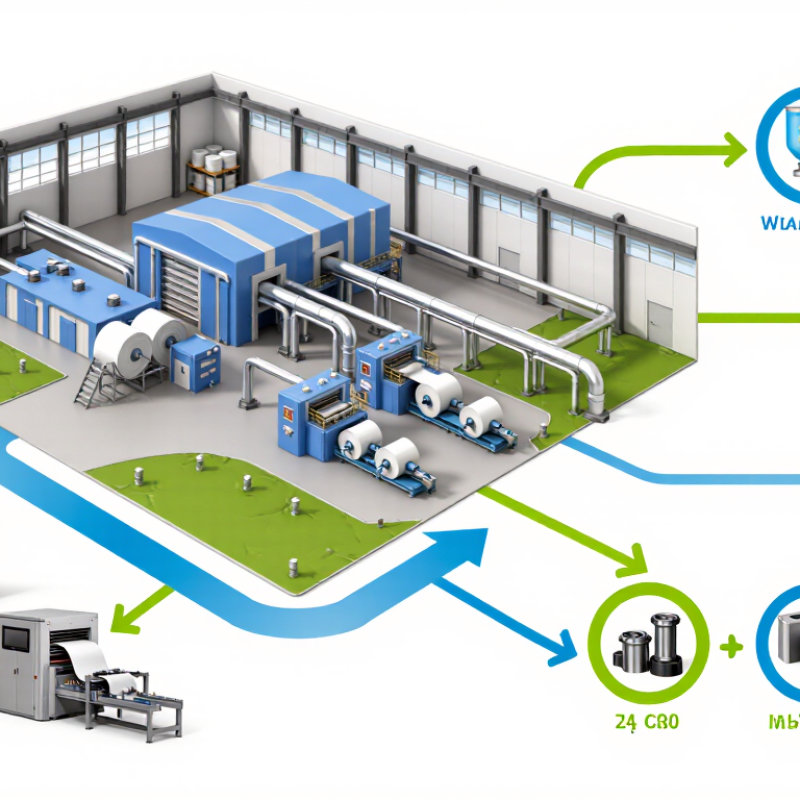
China Top Paper Factory Machine Suppliers: How to Choose?
Understanding machine types starts with the paper grade. Recycled packaging paper needs pulpers, coarse screens, fine screens, and cleaning systems. Tissue production requires gentle stock preparation, a stable headbox, and controlled drying. Writing paper needs strong formation, pressing, calendering, and precise moisture control. A fast machine is not automatically a better machine.
Production requirements should guide every specification. Define daily output, basis weight, reel width, fiber source, moisture target, and available floor space. Check whether the forming section matches your furnish quality. Ask for energy use at normal operating speed, not only its best laboratory figure. Small details matter. For example, an accessible screen basket can reduce maintenance delays. A well-designed dryer section can prevent uneven curling.
When comparing suppliers, request process diagrams, component lists, test data, and installation records. Visit a working production line if possible. Review control-system training, spare-parts availability, warranty terms, and remote support. Supplier documents may look complete, yet unclear utility requirements can create expensive surprises. I would also question promised capacity. It may depend on ideal pulp and perfect operators. A realistic acceptance test should use your raw material and agreed quality standards. Some decisions remain uncertain, especially when a new mill has limited production history. That uncertainty deserves written conditions, not optimistic assumptions.
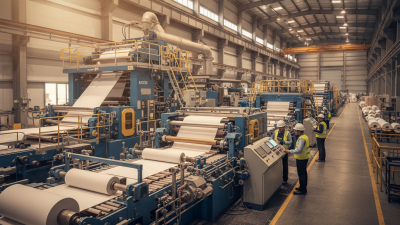
Choosing a top paper factory machine supplier starts with verified qualifications, not impressive photographs. Request a valid business license, factory address, ownership details, and recent customer references. The supplier should explain its quality system clearly, with named managers and documented inspection procedures. Vague answers deserve caution.
Certifications must match the machine and its production site. ISO 9001 can indicate controlled quality processes, while ISO 14001 reflects environmental management. Electrical and safety compliance should follow the destination market’s requirements. Check certificate numbers, validity dates, issuing bodies, and covered locations. A certificate copied from another facility proves little. Ask for calibration records and sample inspection reports.
Manufacturing capability is easier to judge on the factory floor. Look for CNC machining, controlled welding, balanced rollers, clean assembly areas, and marked components. Ask how frame accuracy, drying sections, motors, and control cabinets are tested. A serious supplier can provide material certificates, dimensional reports, factory acceptance test procedures, and spare-parts lists. Request a video showing the actual production line, not only a showroom.
Details matter. They often reveal weaknesses. A supplier may have good engineers but limited installation support. Another may own modern equipment yet outsource critical parts. That is not automatically unacceptable, but it requires written controls and traceability. Confirm lead times, warranty terms, operator training, response channels, and performance guarantees before signing. A factory visit remains useful, although one visit can never expose every risk.
Choosing among China’s top paper factory machine suppliers requires more than comparing hourly output. Check operating speed, paper quality, moisture control, and reject rates under your actual furnish and basis weight. A machine rated for 1,000 meters per minute may perform differently with recycled fibers or heavier stock. Request production records from similar installations, not only laboratory figures.
Materials deserve close inspection. Stainless steel frames resist corrosion near wet sections, while hardened rolls and durable coatings can reduce wear. Ask for material certificates, maintenance intervals, and replacement costs. Automation should provide stable control, clear alarms, and useful data. Recipe management, tension sensors, and automatic breaks handling can reduce operator errors. Still, complex controls are not always better. Poor training can turn advanced software into an expensive bottleneck.
Energy use needs measurement at the finished-ton level. Compare motor efficiency, steam consumption, vacuum demand, and standby power. A supplier should explain its testing method and include expected seasonal variation. Perfect estimates are rare. That deserves attention.
Tips: Build a scorecard before contacting suppliers. Test samples using your own pulp mix. Compare kWh per ton, not isolated motor ratings. Ask operators about cleaning access and emergency response. Review service records and spare-part lead times. A short factory visit can reveal noisy bearings, leaking valves, or difficult control panels. Small details matter.
Typical engineering benchmarks for comparing paper machine performance, materials, automation, and energy use
Tissue machines generally provide the highest operating speeds but require more electricity per tonne. Packaging and fine-paper machines offer a balanced combination of speed and energy efficiency, while specialty machines typically prioritize corrosion-resistant materials, process flexibility, and product quality over maximum speed. The values are representative industry planning benchmarks and should be verified against the final machine specification.
Choosing a top paper factory machine supplier requires more than comparing quotations. FAO’s Yearbook of Forest Products 2022 reported global paper and paperboard production at roughly 423 million tonnes. This scale increases pressure on efficiency, uptime, and material control. A low purchase price may hide higher energy use, spare-part costs, or difficult maintenance. Cheap is not cheap.
Request a five-year total-cost estimate. It should include power consumption, installation, operator training, consumables, planned shutdowns, and replacement parts. Ask for evidence from similar production lines, not polished promises. According to the International Energy Agency, the pulp and paper sector remains one of the world’s major industrial energy users. Therefore, motor efficiency and steam recovery deserve careful review. A small efficiency difference can become significant after thousands of operating hours.
Customization should match the furnish, basis weight, speed, and available building space. Require drawings showing foundation loads, pipe routes, control cabinets, and safety access. Installation support must define site supervision, commissioning tests, response times, and responsibility for delays. After-sales support should include local technicians, remote diagnostics, spare-part availability, and a written warranty. Smithers’ paper-industry outlooks repeatedly identify productivity and resource efficiency as important investment drivers. Still, forecasts are not guarantees. I would verify every claim through factory acceptance tests and customer references. Ask for evidence. A supplier may offer excellent engineering but weak communication. That risk is easy to overlook during negotiations.
The figures below are indicative market ranges for new paper-making machinery and engineering services. Final pricing depends on paper grade, production capacity, raw-material preparation, automation level, utilities, shipping terms, and site conditions. Request a technical quotation and reference list before making a purchase.
| Supplier Profile | Typical Equipment Scope | Indicative Project Price Range | Customization Capability | Typical Lead Time | Installation & Commissioning | Training Included | Warranty Practice | Spare Parts Availability | After-Sales Response | Overall Fit |
|---|---|---|---|---|---|---|---|---|---|---|
| Profile A: Compact Recycled-Paper Line | Stock preparation, approach flow, paper machine, press section, dryer section, rewinder | US$450,000–1,200,000 | Medium Standard machine configuration with adjustments for paper width and basis weight |
6–10 months | Optional Remote guidance or paid on-site supervision |
Basic operator training during commissioning | Usually 12 months for manufacturing defects | Common wear parts normally available; critical parts should be ordered in advance | Remote technical support during working hours; response terms should be written into the contract | Best for budget-sensitive small and medium mills |
| Profile B: Medium-Capacity Packaging-Paper Line | Waste-paper pulping, cleaning, refining, headbox, forming, pressing, drying, sizing, calendering and winding | US$1,500,000–4,500,000 | High Capacity, paper width, basis weight, automation and energy-saving options can be configured |
9–15 months | Available Mechanical and electrical installation teams commonly offered |
Classroom and on-site training for operators and maintenance staff | Typically 12 months, subject to commissioning and operating conditions | Recommended spare-parts package available for 12–24 months of operation | Dedicated engineering contact with remote troubleshooting and scheduled service visits | Strong balance between price, flexibility and service |
| Profile C: High-Speed Kraft or Testliner Line | Complete stock preparation and high-speed paper machine with automation, quality control and finishing equipment | US$5,000,000–15,000,000+ | Very High Process design, drive systems, control strategy, energy recovery and product specifications can be engineered |
14–24 months | Full-Service Supervised installation, start-up, performance testing and optimization |
Structured training for production, electrical, instrumentation and maintenance teams | Often 12 months after acceptance or a defined operating-hour limit | Critical components, consumables and preventive-maintenance kits can be planned with the project | Formal service process, remote diagnostics and optional long-term technical support | Best for large mills requiring high output and stable quality |
| Profile D: Tissue-Paper Production Line | Tissue stock preparation, crescent former or similar forming system, press, Yankee dryer, hood and converting options | US$2,000,000–8,000,000+ | High Grade, softness, moisture profile, machine width, speed and converting configuration can be tailored |
12–20 months | Available Site installation, commissioning and product-quality tuning normally offered |
On-site training focused on safety, tissue quality, drying and machine operation | Commonly 12 months, with exclusions for consumable and process-wear items | Specialized Yankee, hood, felt, doctor and forming-system parts require planned procurement | Technical support is generally available by remote connection; service-level details must be confirmed | Suitable for tissue producers prioritizing product quality |
| Profile E: Modular Upgrade or Replacement Project | Replacement of forming, press, drying, drive, control, approach-flow or finishing sections within an existing mill | US$300,000–3,000,000 | High Designed around existing foundations, steam systems, drives, controls and production constraints |
5–14 months | Project-Dependent Installation requires accurate site surveys and coordination with the operating mill |
Maintenance and operator training focused on the modified equipment | Typically 12 months for supplied equipment and workmanship | Replacement parts should be matched with existing models, dimensions and control systems | Support quality depends heavily on documentation, remote access and local service coverage | Best for improving capacity without building a completely new line |
Evaluation priorities: compare total cost of ownership rather than purchase price alone; verify guaranteed capacity, paper quality, energy consumption, installation responsibilities, acceptance-test procedures, warranty exclusions, spare-parts lead times, documentation quality and after-sales response commitments.
Selecting the best China paper machine supplier begins with your mill’s actual production needs, not a supplier’s impressive brochure. Define paper grade, basis weight, daily output, floor space, energy limits, and raw material quality. Ask for a machine layout with foundation loads, steam demand, water consumption, and expected efficiency. An experienced supplier should explain every assumption openly. If figures look unusually perfect, request the testing method and operating conditions. Real production includes moisture changes, maintenance stops, and operator differences. Details matter.
Visit an operating installation, preferably one producing a similar grade and basis weight. Speak with operators, not only sales staff. Ask about start-up delays, paper breaks, maintenance access, and spare-part availability. Review commissioning records, efficiency reports, reject rates, and actual energy use. Require a factory acceptance test with measurable standards for speed, moisture, formation, and machine stability. The supplier should explain what happens when targets are missed. A low purchase price can become expensive when technical support is slow. Look beyond the quotation.
Check the engineering team’s experience with your raw materials, utilities, climate, and workforce. Request drawings, load calculations, operating manuals, maintenance schedules, and training plans before signing. Clarify response times for remote help and on-site service. Confirm which wear parts are locally available and which require longer delivery. One common mistake is trusting promised capacity without checking fiber preparation and operator skill requirements. Those assumptions deserve challenge. No supplier is perfect. A reliable supplier welcomes difficult questions, records limitations, and adjusts the design when site conditions change.
By using this site you agree to the use of cookies by the company in accordance with the Privacy Policy
Have a questions or want to know more about our company? We'll be expecting you.