What is a Laser Metal Machine and How Does It Work?
A laser metal machine is a sophisticated tool that uses focused lasers to cut and shape metal materials. This technology has transformed manufacturing processes across various industries. By delivering precise energy, these machines create intricate designs that traditional methods struggle to achieve. The development of laser metal machines stems from advanced engineering and material science knowledge.
Understanding how a laser metal machine operates involves exploring different components. The machine typically features a laser source, optics, and a numerical control system. These elements work together to ensure accuracy and efficiency. However, mastering this technology requires experience and expertise. Potential users must reflect on proper training and adherence to safety protocols.
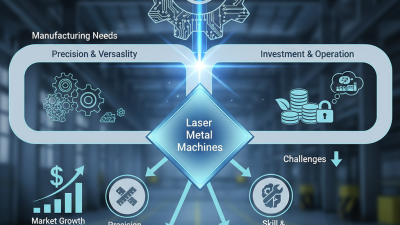
As we delve deeper into the workings of laser metal machines, we uncover their advantages and limitations. While they offer precision, they can also be expensive to maintain. Not all materials are suited for laser cutting. Recognizing these factors is crucial for anyone considering using this technology.
What is a Laser Metal Machine?
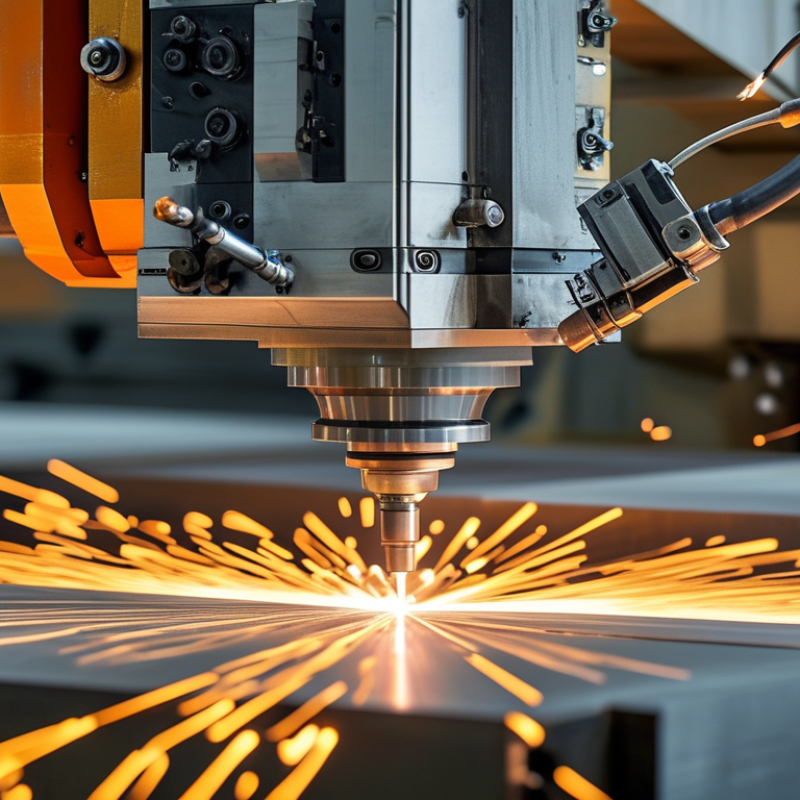
A laser metal machine is an advanced technology used for cutting and engraving metal materials with high precision.
These machines utilize coherent light to achieve exceptional accuracy. Industry reports indicate that the global laser cutting
market is projected to reach over $5 billion by 2025. The growing demand for efficient manufacturing processes drives this trend.
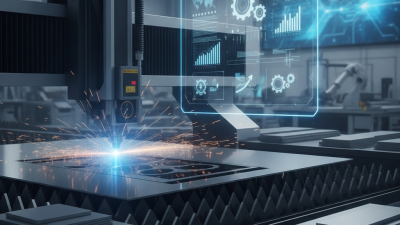
Laser metal machines operate by directing a concentrated beam of light onto the metal surface. This beam heats the metal rapidly,
allowing it to melt or vaporize. Factors such as power, speed, and type of metal affect the outcomes. Research from the
International Journal of Advanced Manufacturing Technology notes that laser systems can reduce cycle times by up to 80%.
This efficiency is appealing for industries aiming for higher productivity.
However, challenges exist with these systems. Poor setup can lead to inaccurate results and wasted materials. Regular maintenance
is essential to ensure optimal performance. Many users report a learning curve when programming these machines, which can lead
to initial frustrations. Still, the benefits of laser cutting technology often outweigh these obstacles, especially for
businesses focused on precision and cost-effectiveness.
Principles of Laser Technology in Metalworking
The principles of laser technology in metalworking hinge on the interaction between high-energy light and materials. Lasers emit focused energy, allowing precise cutting, engraving, and welding of metal. According to a report by MarketsandMarkets, the laser cutting market is projected to reach $6.73 billion by 2024. This illustrates the growing reliance on laser machines for efficiency in metal processing.
Lasers operate on the principles of light amplification and stimulated emission. The energy from the laser beam is delivered to the metal, causing it to melt or vaporize at specific points. This allows for intricate designs and complex geometries that traditional techniques struggle to achieve. However, the technology also comes with challenges. Skillful handling is necessary to avoid defects or imprecise cuts.
Tip: Regular maintenance of laser equipment ensures optimal performance and longevity. Overheating issues can arise, so monitor the machine's temperature closely.
Another aspect of laser technology is safety. Protective gear is crucial when operating laser machines. The intense light can cause eye damage, and the heat generated can pose fire risks. Awareness is key to creating a safe working environment.
Tip: Invest in quality safety equipment. Ensure that all operators receive proper training to mitigate risks associated with laser operations.
Components of a Laser Metal Machine Explained
A Laser Metal Machine consists of several key components that work harmoniously to create precise cuts and engravings. At its core is the laser source. This is usually a fiber or CO2 laser that generates a highly focused beam of light. The intensity of this beam can be adjusted, allowing for different types of metals to be cut with varying depths.
Next, the beam travels through a series of mirrors and lenses. These components direct and focus the laser onto the material. Precision optics ensure that the beam remains coherent, enhancing accuracy. The machine's control system also plays a crucial role. It dictates the movement of the laser head, following programmed paths to create intricate designs.
Cooling systems are often overlooked, but they are vital. They prevent overheating, allowing prolonged use without damaging the components. Another essential part is the base or bed, where the metal rests. Different materials may react differently, and experimentation can lead to better results. Each component must function flawlessly to achieve high-quality outcomes. Failure at any point can lead to poor cuts or misalignment. This requires constant monitoring and adjustments, underscoring the need for expertise in operating such machines.
Applications of Laser Metal Machines in Various Industries
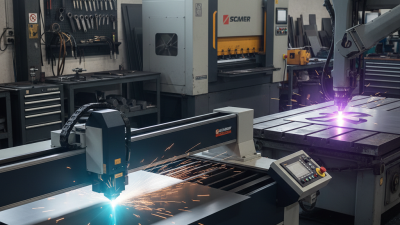
Laser metal machines have transformed various industries through their unique applications. In manufacturing, they excel in cutting and engraving metals with precision. This technology enables intricate designs, which are crucial in aerospace and automotive parts. By using focused laser beams, metal sheets are cut with minimal waste, enhancing productivity.
In the medical field, laser metal machines are utilized for creating surgical instruments. These tools require high precision and reliability. The capability to fabricate complex shapes quickly makes these machines invaluable. However, there can be challenges in the calibration of machines, affecting the outcome. Continuous monitoring is key to maintaining quality.
The art and jewelry industries also benefit from laser metal technology. Jewelers use these machines for detailed engraving on metal surfaces. This adds a personal touch to their creations. However, there can be a learning curve in mastering the settings, which can lead to errors. Overall, the versatility of laser metal machines continues to evolve, but their effective use demands ongoing expertise.
Applications of Laser Metal Machines in Various Industries
Benefits and Limitations of Using Laser Metal Machines
Laser metal machines are revolutionizing manufacturing processes. These machines use concentrated beams of light to cut and engrave metals with precision. Their efficiency is impressive, but they come with benefits and limitations.
One key benefit is accuracy. Laser machines can produce intricate designs that traditional tools struggle with. They also minimize material waste, making them more efficient in terms of resource usage. Additionally, these machines can operate continuously, increasing production speed. Despite these advantages, challenges exist. For instance, setup and maintenance can be complex. Operators need specialized training to run the machines effectively. Moreover, high initial investment costs can be prohibitive for smaller businesses.
Limitations also include material constraints. Not every metal can be processed with lasers. Some metals absorb light differently, affecting cutting quality. Furthermore, the heat generated during operation can lead to warping. This compromises the structural integrity of certain components. Continuous reflection and reassessment of the specifics can help mitigate these issues. As technology advances, the landscape of laser metal machining will evolve, making it crucial to stay informed about its capabilities and limitations.