By using this site you agree to the use of cookies by the company in accordance with the Privacy Policy
Choosing the right metal granulator machine can influence recovery rates, operating costs, workplace safety, and long-term production stability. Global buyers often compare cutting systems, motor power, throughput, noise levels, dust control, and maintenance access. Yet catalogue figures rarely tell the whole story. A machine processing clean copper wire may perform differently with mixed cables, aluminum profiles, or lightly contaminated scrap.
This guide reviews seven leading metal granulator machines for international purchasing decisions. Each option is examined through practical criteria, including material compatibility, granulation consistency, energy efficiency, blade durability, and control-system usability. We also consider installation support, spare-parts availability, warranty terms, and technical service across different regions. These details matter when a production line stops at 2 a.m.
Real operating conditions matter most. A compact granulator may suit a small recycling workshop, while a high-capacity system requires stronger electrical infrastructure, ventilation, and trained operators. Safety guards, emergency stops, enclosed conveyors, and documented maintenance procedures should never be treated as optional features. Buyers should also verify applicable local standards before placing an order.
No machine is perfect. Some models offer impressive output but require more floor space. Others save energy but sacrifice flexibility with irregular feedstock. Specifications can change between suppliers, and published capacity may depend on material type and moisture. Therefore, this comparison uses a balanced approach rather than relying on one attractive number. Readers should confirm test results, request sample processing, and evaluate the supplier’s response before making a final investment. That extra step can prevent an expensive mistake.
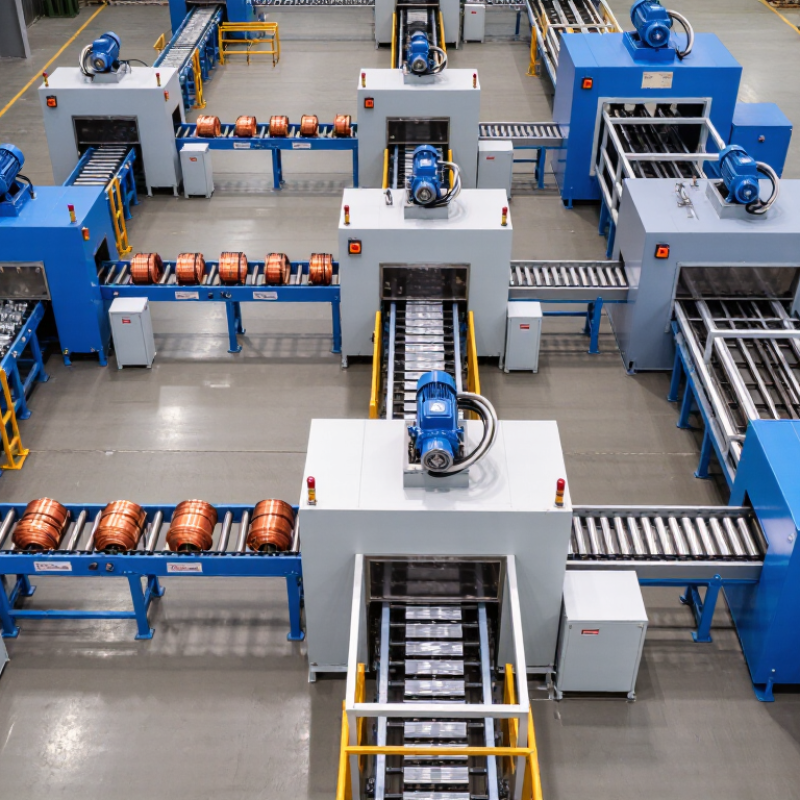
A metal granulator is a size-reduction machine for processing copper wire, aluminum profiles, cables, and mixed metal scrap. Unlike a primary shredder, it usually produces smaller, more uniform particles. Inside the chamber, a high-speed rotor carries hardened knives. Fixed knives cut against them, while a screen controls the final particle size. Material stays inside until it is small enough to pass through the screen.
The workflow is practical but not effortless. Operators feed prepared scrap through a controlled inlet. Magnets remove ferrous pieces, while air separation can lift insulation and other light residue. Eddy-current systems may separate non-ferrous metals from remaining plastics. Moisture, excessive dust, and oversized pieces reduce output quality. A poorly adjusted screen can also create heat, noise, and unnecessary power use.
The Global E-waste Monitor 2024 reported 62 million tonnes of electronic waste in 2022. It projects that this volume could reach 82 million tonnes by 2030. That pressure makes accurate metal recovery more important for recyclers. The International Aluminium Institute reports that recycled aluminium can require up to 95% less energy than primary production. The figure is significant, but real savings depend on contamination and electricity sources. A granulator is not a magic recycling solution. In my experience, feed preparation often matters as much as rotor speed. Small operational mistakes remain expensive.
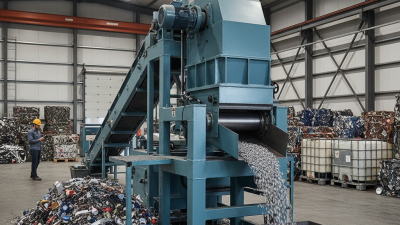
7 Best Metal Granulator Machines for Global Buyers
Key Types of Metal Granulator Machines for Different Materials
Choosing a metal granulator starts with the material, not the machine’s advertised capacity. Copper and aluminum cables usually need a cable granulator with adjustable blades and controlled air separation. It should remove insulation cleanly without excessive metal dust. Small batches benefit from compact knife granulators. They offer easier cleaning and lower power use.
Heavy steel pieces, castings, and thick aluminum profiles require hammer mills or rugged impact granulators. These machines handle hard feedstock better, but they can create more noise and heat. Thin aluminum sheets and beverage containers often perform well in light-duty aluminum granulators. A wide infeed opening reduces bridging. It also makes feeding more consistent.
Radiators and mixed copper-aluminum parts need radiator granulators with separation stages. For fine metal fragments, a secondary granulator can improve particle consistency. This matters when downstream sorting equipment uses screens, magnets, or eddy-current separation. Wet granulators can control dust, but water treatment adds operating work. That trade-off is easy to underestimate.
Material testing remains essential. I would inspect sample output, blade wear, power consumption, and dust levels before purchase. A machine rated for ten tons daily may perform poorly with irregular feed sizes. Capacity figures can be optimistic. Operators also need safe access points, emergency stops, and clear maintenance procedures. Local voltage and service support deserve equal attention, especially for international buyers.
Global buyers need machines matched to material, output, and local power conditions. The Global E-waste Monitor 2024 recorded 62 million tonnes of e-waste in 2022. Only 22.3% entered documented collection and recycling channels. That gap increases demand for controlled metal recovery equipment.
Seven leading machine types serve different feedstocks: dry cable granulators, wet copper granulators, aluminum scrap granulators, radiator granulators, mixed nonferrous granulators, wire chopping systems, and integrated granulation-sorting lines. Dry systems suit insulated copper cable and reduce water use. Wet systems can improve separation purity, but require wastewater management. Radiator machines need strong pre-shredding and adjustable screens. Mixed-metal lines depend heavily on air separation and sensor calibration.
Throughput figures need careful reading. Manufacturers may measure clean, uniform feedstock under ideal conditions. Real yards face moisture, tangled wire, dust, and changing alloy content. I would verify kilograms per hour using independent trials. Small details matter: a 5-millimeter screen can produce different results from a 6-millimeter screen.
UNEP’s Global Resources Outlook 2024 warns that global material extraction could rise by 60% by 2060 without stronger resource efficiency. Energy consumption, dust control, spare parts, and operator training therefore deserve equal attention. Power matters. The cheapest machine may become expensive after repeated stoppages.
Choosing among the 7 best metal granulator machines requires more than reading brochure figures. In real workshops, capacity depends on material type, feed size, moisture, and loading rhythm. A machine rated at 500 kilograms per hour may produce less with thick copper cable or mixed scrap. Ask for tested capacity using your actual material. Request clear test data.
Motor power matters, but higher power does not always mean better performance. Compare power consumption per ton, starting current, and continuous running stability. A strong motor can handle heavy loads, yet poor blade design may waste energy. Output should be measured after screening, not only at the cutting chamber. Check recovery rate, dust control, noise levels, and maintenance access. Granule quality depends on screen size, blade clearance, and separation accuracy. Consistent granules usually improve downstream sorting and resale value. However, operators sometimes overlook uneven feeding. I have seen good machines perform poorly because the material entered too quickly.
Tips: Bring a sample of your regular scrap for a trial test. Record kilograms per hour, energy use, granule size, and rejected material. Inspect the final granules by hand. They should feel uniform, clean, and free from excessive fines. Also ask how often blades need adjustment. This small detail can affect operating costs more than expected. Leave room for uncertainty. Factory data may not match daily conditions.
Comparison of common commercial machine configurations for cable, copper, aluminum, radiator, and mixed non-ferrous scrap recycling.
| Rank | Machine Configuration | Primary Material | Typical Capacity | Installed Power | Recommended Feed Size | Typical Granule or Fraction Size | Separation Purity | Best Application |
|---|---|---|---|---|---|---|---|---|
| 1 | Compact Cable Granulator | Insulated copper and aluminum wires | 80–150 kg/h | 15–22 kW | Cables up to approximately 30 mm diameter | 0.2–5 mm metal granules | Typically 99–99.8% copper separation | Small recyclers, workshops, and decentralized collection sites |
| 2 | Medium Cable Granulator with Air Separation | Mixed insulated wires and communication cables | 200–400 kg/h | 30–45 kW | Cables up to approximately 50 mm diameter | 0.2–6 mm metal granules | Typically 99.5–99.9% separation with correctly adjusted airflow | General-purpose cable recycling operations |
| 3 | Heavy-Duty Cable Granulation Line | Thick copper cables, aluminum cables, and harnesses | 500–800 kg/h | 55–90 kW | Pre-shredded cables up to approximately 80 mm | 0.5–8 mm metal granules | Typically 99.5–99.9% metal recovery | High-volume cable processors requiring continuous operation |
| 4 | Aluminum Scrap Granulator and Separator | Aluminum profiles, cans, turnings, and light non-ferrous scrap | 300–600 kg/h | 45–75 kW | Pre-shredded pieces up to approximately 60 mm | 2–8 mm granules or clean metal fractions | Typically 95–99% non-ferrous recovery | Aluminum scrap upgrading before remelting or resale |
| 5 | Copper-Aluminum Radiator Granulation Line | Automotive, industrial, and air-conditioning radiators | 300–700 kg/h | 55–90 kW | Radiator sections or pre-cut pieces up to approximately 500 × 700 mm | 5–20 mm copper and aluminum fractions | Typically 95–99% material separation | Radiator dismantling and copper-aluminum recovery |
| 6 | Fine Granulator for Small Non-Ferrous Scrap | Small copper parts, brass pieces, aluminum chips, and shredded non-ferrous scrap | 150–350 kg/h | 30–55 kW | Pre-shredded material up to approximately 30 mm | 0.5–4 mm fine granules | Typically 98–99.5% recovery when feed is properly classified | Applications requiring cleaner, more uniform granules |
| 7 | Integrated Mixed Non-Ferrous Recycling Line | Mixed cables, aluminum scrap, copper scrap, and light non-ferrous material | 800–1,500 kg/h | 110–180 kW | Pre-shredded feed up to approximately 100 mm | 2–10 mm classified metal fractions | Typically 98–99.5% recovery, depending on feed composition | Large recycling plants with multiple material streams |
Note: Capacity, power demand, separation purity, and final particle size vary with material composition, moisture, cable insulation, pre-shredding quality, screen size, airflow settings, and operating conditions. The figures above represent typical commercial ranges rather than guaranteed machine specifications.
Seven metal granulator machines can suit different recycling lines, but safety should guide every comparison. Choose a fully guarded feed opening, accessible emergency stops, and clear lockout points. Magnetic separation may reduce steel contamination near the discharge conveyor. Noise and flying fragments also deserve attention. Workers need hearing, eye, and cut-resistant protection.
Maintenance requirements often decide whether a machine remains profitable. Inspect rotor knives, screens, bearings, and belts on a fixed schedule. Remove trapped metal only after isolation and verified zero movement. Keep lubrication records, motor readings, and vibration observations. Small changes matter. A blocked screen can increase power use and heat quickly. However, maintenance intervals vary with material thickness, moisture, and daily operating hours.
Pricing should include installation, electrical upgrades, freight, spare knives, screens, and technician support. A low purchase price can hide expensive downtime. Ask for tested throughput using your actual aluminum, copper, or steel feed sizes. Verify motor power, discharge dimensions, warranty limits, and local spare-part availability. I would also request references from facilities with similar workloads. Ratings are not always comparable. A machine handling thin sheet may struggle with heavy offcuts. Buyers should allow space for safe cleaning and future capacity. My own purchasing bias favors simpler access and documented service over impressive specifications, although that choice can reduce short-term output.
Typical throughput ranges and buying benchmarks for common metal granulator configurations. Actual performance depends on material type, feed size, moisture, screen size, and contamination.
| Machine Configuration | Indicative Price Range | Typical Maintenance Focus | Key Buying Consideration |
|---|---|---|---|
| Cable Granulator | US$8,000–35,000 | Blades, screens, dust filters | Copper recovery rate and cable diameter range |
| Radiator Separator | US$15,000–60,000 | Cutters, conveyors, separation rollers | Separation accuracy for copper, aluminum, and steel |
| Aluminum Scrap Granulator | US$25,000–100,000 | Rotor knives, bearings, screens | Dust control and resistance to mixed scrap |
| Small Mixed-Metal Granulator | US$35,000–120,000 | Knife clearance, screens, drive belts | Feed-size limits and overload protection |
| Heavy-Duty Scrap Granulator | US$80,000–250,000 | Rotor assembly, hydraulic systems, wear liners | Motor capacity, structural strength, and service access |
| Shredder-Granulator Line | US$150,000–500,000 | Shredder knives, granulator screens, conveyors | Complete-line integration and safety interlocks |
| Wet Copper Granulator | US$40,000–180,000 | Water pumps, separation screens, corrosion control | Water consumption, material recovery, and wastewater handling |
Safety and maintenance note: Buyers should verify emergency stops, guarded access points, overload protection, dust extraction, noise controls, electrical compliance, spare-parts availability, and service support before purchase. The price figures are indicative international equipment ranges and exclude shipping, installation, taxes, and site preparation.
By using this site you agree to the use of cookies by the company in accordance with the Privacy Policy
Have a questions or want to know more about our company? We'll be expecting you.