By using this site you agree to the use of cookies by the company in accordance with the Privacy Policy
Choosing a precision metal cutting machine is not just a matter of comparing power ratings. Buyers must consider material type, required tolerances, production volume, and the space available on the shop floor. A laser cutter may suit thin stainless-steel panels, while a waterjet or saw may fit different materials and workflows. The right choice depends on the actual job.
Machining researcher Dr. J. Paulo Davim’s work highlights a practical point: reliable cutting depends on the interaction between the material, tool, and process settings. That matters when evaluating manufacturers. Look beyond glossy specifications. Ask about repeatability, service response, spare-parts access, operator training, and documented test cuts. A clean edge is only part of the story. So is uptime.
This guide to China’s top 10 precision metal cutting machine manufacturers offers a starting point, not a universal ranking. Companies differ in machine designs, automation options, export experience, and support. A supplier that suits a high-volume factory may not suit a small workshop. Check comparable samples, verify stated capabilities, and clarify what the warranty covers. Even careful research has limits. Published specifications cannot reveal every shop-floor issue, and some details deserve a second look. Use the profiles ahead to build a shortlist, then confirm performance against your own parts, tolerances, and budget.
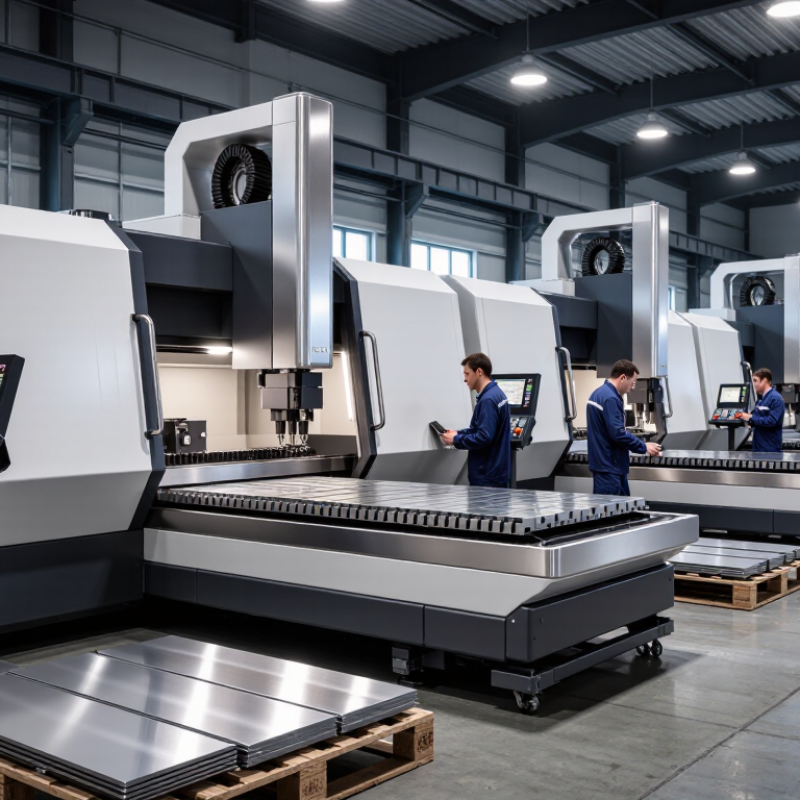
A precision metal cutting machine is equipment designed to separate or remove metal while maintaining controlled, repeatable dimensions. It may use a rotating cutter, abrasive wheel, laser, waterjet, or another cutting method. The best choice depends on the alloy, material thickness, edge quality, and production volume. In a workshop, an operator might clamp a steel plate, set the cutting path, and check the finished edge with a caliper. Small errors matter. Heat, vibration, tool wear, and loose fixturing can all affect the result.
These machines produce parts such as brackets, shafts, panels, and tooling components. “Precision” describes a level of control; it does not guarantee identical results every time. Operators should check dimensions against the drawing and account for kerf, material movement, and machine condition. Some edges need little finishing, while others require deburring or further machining. That detail is easy to miss. When assessing a machine, consider repeatability, work area, tooling, guarding, and service support. Match these features to real jobs, not only advertised tolerances. A trial cut in the intended material can reveal practical limits. I would still verify the first finished parts carefully.
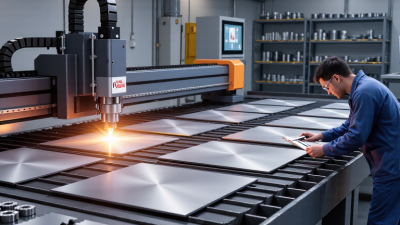
A precision metal cutting machine removes material to produce parts with controlled dimensions and edges. The chart shows broad, representative dimensional-tolerance ranges for common cutting and machining processes; actual results depend on the machine, material, setup, and measurement method. It compares processes, not manufacturers.
Tolerance shown as absolute deviation in millimeters; a smaller value generally indicates tighter dimensional control. Ranges are indicative, not guaranteed specifications.
Evaluating Chinese precision metal cutting machine manufacturers takes more than comparing catalog prices. Start with the cutting process, materials, and thicknesses your production requires. Ask for test cuts using your own material, then inspect edge quality, dimensional accuracy, and consistency across repeated parts. A polished sample is useful, but it does not prove stable production. Request documented test conditions and measurement methods.
Review the manufacturer’s quality procedures, machine specifications, component traceability, and inspection records. Check whether stated accuracy matches your application, rather than relying on a single headline figure. If possible, visit the facility and observe assembly, calibration, and final testing. Ask operators how faults are diagnosed and which spare parts are normally kept in stock. Response times matter. So does clear technical documentation. One limitation: a short factory visit cannot reveal long-term reliability, so seek references from customers with comparable workloads.
Tips: Compare at least three suppliers using the same checklist. Record sample results, delivery estimates, warranty terms, training, and service coverage. Clarify what installation includes. Keep your notes specific; a vague impression can be misleading. If results conflict, ask for a repeat test before deciding.
China Top 10 Precision Metal Cutting Machine Manufacturers?
Which Ten Chinese Manufacturers Stand Out?
A credible top-ten list should reflect real machining needs, not catalog claims. Chinese manufacturers stand out when they show consistent cutting accuracy, stable machine frames, and clear inspection records. Look for expertise across laser cutting, sawing, milling, turning, and waterjet systems. Strong candidates also explain material limits, tolerances, and expected tool wear in plain language. Their technical teams can discuss how a machine handles a specific part, not just quote its maximum speed.
Tips: Ask for a sample cut using your material and drawing. Check edge quality, dimensional results, and repeatability across several parts. Request service response times and spare-parts details. A polished showroom is not proof of reliable production. I would also compare operating costs, because a low purchase price can hide expensive tooling or maintenance.
The ten manufacturers worth shortlisting are those whose capabilities match your process, rather than firms with the broadest product range. Review factory quality checks, operator training, control-system options, and installation support. Ask how performance is verified after delivery. Small gaps matter: a machine may cut accurately once, yet drift during a long shift. Rankings can help you begin research, but they need independent verification against your own parts, tolerances, and production volume.
Company names and brands are intentionally omitted. To avoid presenting an unverified company ranking or inventing company-specific specifications, this table compares ten metal-cutting machine categories commonly offered by manufacturers in China. Actual machine capabilities vary by model and configuration; verify specifications directly with each supplier.
| No. | Machine category | Cutting method | Common applications | Factors that affect cut quality | What to verify with a supplier |
|---|---|---|---|---|---|
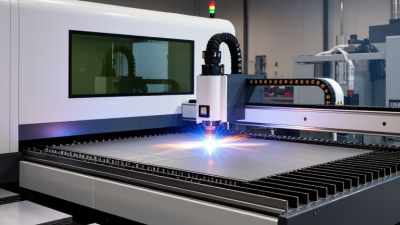
| 1 | CNC fiber laser sheet cutter | Focused laser beam melts or vaporizes material; assist gas clears the cut. | Profiles and parts cut from flat metal sheet, including steel, stainless steel, and aluminum. | Laser source and power, optics, focus control, gas, material, thickness, and machine stability. | Test-cut results on your material and thickness; edge quality; supported sheet format; extraction and safety provisions. |
| 2 | CNC laser tube cutter | A laser cuts tube or profile while a chuck or rotary axis positions the workpiece. | Round, square, and other supported tube or structural-profile components. | Tube geometry, wall thickness, workpiece support, chuck accuracy, and programmed path. | Supported profile shapes and dimensions; loading method; end-cut accuracy; sample cuts on the intended tube. |
| 3 | Waterjet cutting machine | High-pressure water, often mixed with abrasive, erodes material along a programmed path. | Flat metal parts where a thermal cutting process is undesirable or material compatibility is important. | Nozzle condition, abrasive feed, pressure stability, cutting speed, material thickness, and taper compensation. | Cut samples; edge taper and finish; pump and consumable requirements; water treatment and abrasive handling. |
| 4 | Wire EDM machine | Electrical discharges remove material from electrically conductive workpieces using a moving wire electrode. | Accurate profiles, dies, punches, and intricate features in conductive metals. | Wire type and tension, flushing, workpiece material, machine condition, and number of finishing passes. | Demonstrated profile accuracy and surface finish; usable workpiece size; wire consumption; dielectric and maintenance needs. |
| 5 | CNC metal-cutting bandsaw | A continuous toothed blade cuts through bar, tube, or structural stock. | Cut-to-length preparation of metal bars, pipes, and profiles. | Blade selection and condition, feed rate, clamping, coolant, and workpiece rigidity. | Capacity for the required stock shape; cut-angle repeatability; automatic feeding options; blade and coolant costs. |
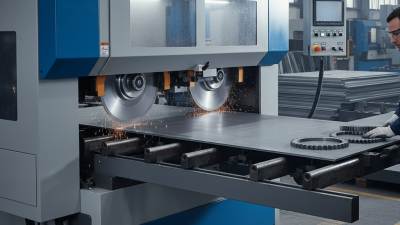
| 6 | Carbide circular cold saw | A rotating toothed saw blade makes a mechanically cut through the workpiece. | Repeatable production cuts in metal bars, tubes, and profiles. | Blade geometry, spindle condition, clamping, feed control, and material-specific cutting parameters. | Supported workpiece dimensions; burr and squareness results; cycle performance on sample stock; blade availability. |
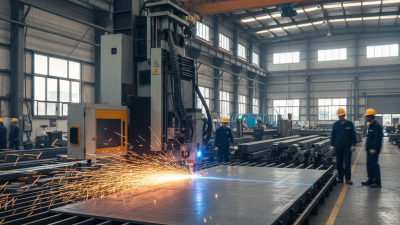
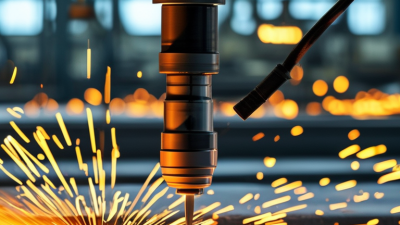
| 7 | CNC plasma cutting machine | An electrically conductive, high-temperature plasma arc melts metal while gas removes molten material. | Plate cutting and profile work, particularly where production speed and material thickness are priorities. | Power source, torch height control, consumables, gas, plate condition, and cutting speed. | Cut samples at the intended thickness; edge bevel and dross; consumable life; fume extraction and electrical requirements. |
| 8 | CNC oxy-fuel cutting machine | A fuel-gas flame heats steel and an oxygen jet supports the cutting reaction. | Thick carbon-steel plate cutting and flame-cut profiles. | Material composition, preheat, nozzle condition, gas settings, cutting speed, and plate thickness. | Confirm suitability for the specified steel; inspect cut edge and heat-affected zone; check gas supply and safety systems. |
| 9 | CNC abrasive cutoff saw | An abrasive wheel removes material through friction and localized heating. | Cutting metal stock and components where a fast, straightforward cutoff process is suitable. | Wheel specification and condition, feed, clamping, workpiece material, and cooling or spark control. | Cut-face condition and squareness; wheel consumption; spark and dust controls; repeatability in the intended production setup. |
| 10 | CNC sawing and drilling line | Automated material handling feeds structural stock through sawing and drilling operations. | Fabrication of structural sections and components requiring repeated cut lengths and hole patterns. | Stock straightness, feed accuracy, tool condition, clamping, program setup, and material handling. | Supported section types and sizes; positioning and hole-pattern results; software compatibility; demonstrated throughput on your parts. |
Precision metal cutting manufacturers typically supply CNC laser, plasma, waterjet, and sawing systems. Each suits different materials and production demands. Fiber lasers cut sheet steel and aluminum quickly, often leaving a narrow kerf and clean edge. Waterjet machines handle heat-sensitive alloys and thick plate without a heat-affected zone, but cutting can be slower. Plasma systems are useful for heavy steel fabrication, while band saws divide bars, tubes, and structural sections. The right choice depends on thickness, tolerance, finish, and daily output—not just cutting speed.
These machines serve automotive plants, aerospace suppliers, construction firms, energy projects, electronics makers, and general job shops. Automotive lines may prioritize repeatable cuts in sheet metal; aerospace work often calls for tighter process control and careful material traceability. Construction shops need reliable cutting for beams and plate. Electronics manufacturers may favor precision on thin enclosures. Medical-device suppliers can use cutting systems for component blanks, though final parts require further inspection and processing. A machine can look impressive on paper and still be wrong for the job. That matters. Buyers should compare sample cuts, operating costs, maintenance access, and operator training. Even a strong specification sheet cannot show every production headache.
China Top 10 Precision Metal Cutting Machine Manufacturers?
Compare suppliers through measured results, not catalogue claims. Send each manufacturer the same drawing, alloy, thickness, and tolerance requirements. Request a sample cut, then inspect edge quality, dimensional accuracy, and repeatability. Ask how accuracy changes after several hours of operation. A glossy brochure can still hide a weak service plan. Check installation, operator training, spare-parts availability, and typical response times. Request a written acceptance test with clear measurement methods.
Deloitte’s 2024 Smart Manufacturing Survey found that 86% of surveyed manufacturers expect smart manufacturing to drive competitiveness within five years. That makes controls, data access, and integration worth checking alongside cutting speed. Ask suppliers to demonstrate how operators retrieve job settings and diagnose faults. For accuracy claims, request measurement records and clarify test conditions; ISO 230 standards provide methods for testing machine-tool accuracy. Numbers matter. But test conditions matter too.
Tips: Compare at least two sample cuts using identical material and settings. Ask for a detailed quotation listing included software, tooling, installation, and warranty terms. Confirm service coverage in your region, and get spare-part lead times in writing. A low purchase price may not reflect the full cost of keeping the machine productive.
By using this site you agree to the use of cookies by the company in accordance with the Privacy Policy
Have a questions or want to know more about our company? We'll be expecting you.