Why Choose a Laser Metal Machine for Your Business?
Choosing the right laser metal machine can reshape how a workshop handles cutting, fabrication, and daily production pressure. A reliable system can produce clean edges, repeatable dimensions, and fewer manual finishing steps. That matters.
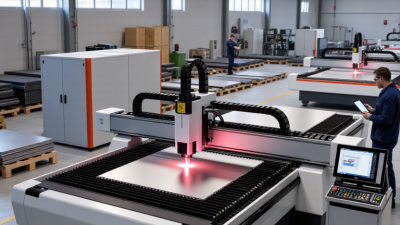
In practical workshops, the strongest choice depends on material type, sheet thickness, production volume, and available floor space. A fiber laser may suit stainless steel orders, while another configuration may better support thicker mild steel. Operators also need to examine cutting speed, power requirements, software compatibility, ventilation, and service support. Details decide. A lower purchase price can become expensive when replacement parts, training, or delayed repairs interrupt production.
Experienced fabricators usually assess sample cuts before signing a purchase agreement. They inspect edge quality under bright light, measure finished parts with calipers, and test repeated cuts across a full work shift. This process reveals issues that brochures often overlook. It is not a magic solution. Poor nesting, weak maintenance routines, or untrained operators can still create waste. Businesses should also request clear warranty terms, technical documentation, and realistic delivery commitments from established suppliers.
This article explores why a laser metal machine may improve productivity, consistency, and long-term operating control. It also considers its limitations, ownership costs, and suitability for different business models. A careful decision begins with honest production data, not attractive promises.
What Is a Laser Metal Machine?
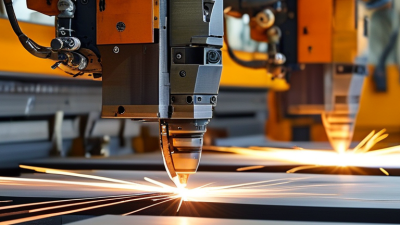
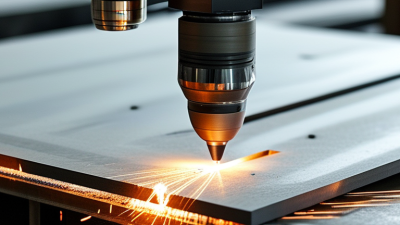
A laser metal machine is industrial equipment that cuts, marks, welds, or shapes metal with focused light. It converts electrical energy into a concentrated beam. Mirrors or fiber delivery systems guide that beam toward the workpiece. A cutting head adds assist gas and maintains a controlled distance. The heat melts or vaporizes a narrow area, leaving a programmed path. The result can be clean, repeatable, and surprisingly detailed. That sounds simple. It is not.
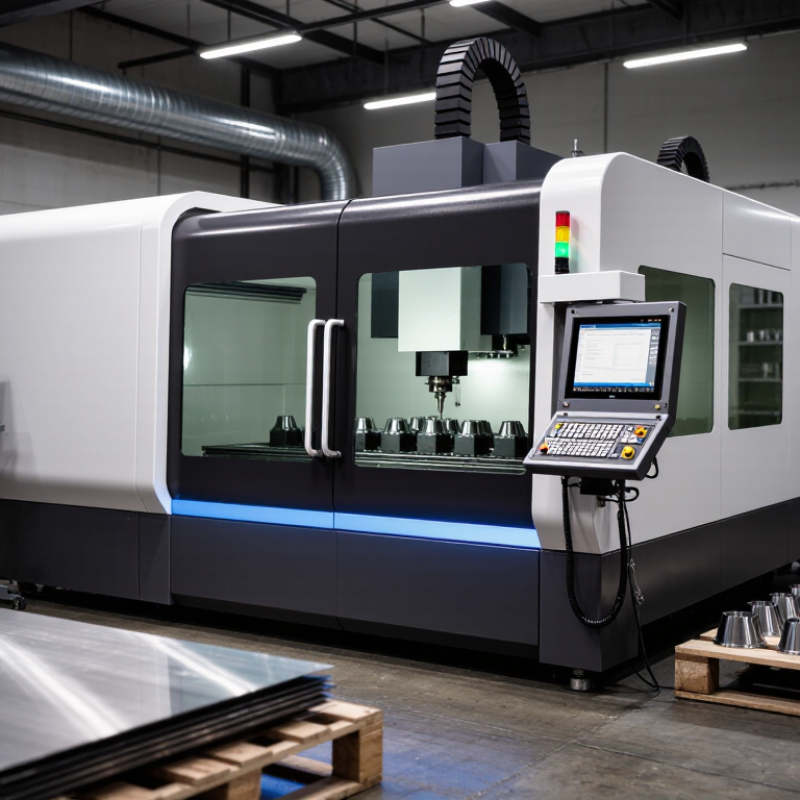
In daily production, the machine usually works with CNC controls and digital drawings. An operator selects power, speed, focus, gas pressure, and cutting direction. Small changes can affect edge quality, heat marks, and production time. It can process steel, stainless steel, aluminum, and other approved alloys. Performance depends on thickness, reflectivity, surface condition, and machine configuration. From practical workshop experience, clean sheets often produce more consistent results than neglected ones. A perfect file cannot rescue poor setup. This is where inexperienced users may underestimate the process.
For a business, laser processing can reduce tool changes and support complex profiles. It can create prototypes, panels, brackets, signs, and custom parts. However, purchase decisions should include extraction, ventilation, training, maintenance, and electrical requirements. Operators need eye protection, guarded work areas, and documented procedures. Reflective metals require particular care and suitable equipment. I have seen schedules slip when maintenance was treated as optional. The machine is precise, but the workflow around it may not be. Review material samples and production volumes before committing. A laser is not ideal for every job.
How Does Laser Metal Processing Work?
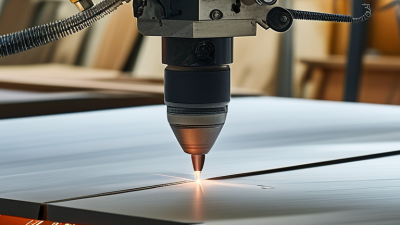
Laser metal processing works by concentrating light into a tiny, controlled spot. The beam travels through focusing optics and reaches the metal surface. Heat rises rapidly. The metal then melts, vaporizes, or changes shape along a programmed path. A CNC system guides the cutting head with measured movements.
Assist gas pushes molten material away and helps keep the cut clean. Oxygen can support faster cutting in suitable mild steel applications. Nitrogen often helps protect stainless steel edges from oxidation. Power, speed, focus, and material thickness must work together. A small setting error can create rough edges, tapered cuts, or unwanted discoloration. Real production experience matters. A specification sheet cannot predict every result. Some first cuts simply fail.
Tips:
Test a small sample before full production. Check the edge under good lighting. Keep lenses clean and secure the material firmly. Record successful settings. Do not assume yesterday’s parameters suit a new alloy. Thin metal may warp. Thick metal may require slower movement and careful heat control. Laser machines improve repeatability, but they do not replace inspection. That limitation is easy to overlook.
Which Business Tasks Can Laser Metal Machines Handle?
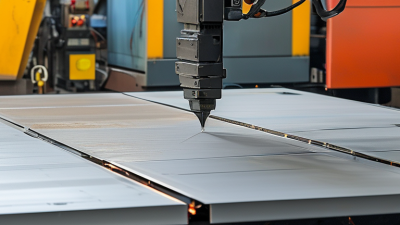
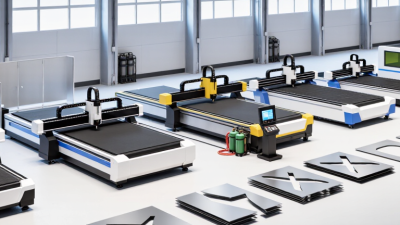
A laser metal machine can handle daily cutting work with speed and repeatable accuracy. It can shape stainless steel panels, mild steel brackets, aluminum covers, and thin copper parts. Operators can also cut tubes, slots, holes, and detailed profiles for frames or machinery. Small businesses may use it for custom signs, kitchen fixtures, repair plates, and short production runs. Clean edges often reduce grinding and fitting time.
Marking is another useful task. The machine can place serial numbers, measurements, symbols, and simple graphics on prepared metal surfaces. This supports traceability during inspection and maintenance. With suitable settings, it can also engrave shallow identification details. Sheet nesting helps reduce waste. However, poor nesting still leaves awkward scraps. That mistake deserves review rather than excuses.
In a working shop, laser equipment can support prototypes before larger production begins. Designers can test a bracket, adjust a hole position, and produce another version within hours. Cutting quality depends on material grade, thickness, lens condition, focus, speed, and assist gas. It is not magic. Operators need training, protective procedures, ventilation, and regular checks. A machine may cut quickly, but an incorrect parameter can create heat marks, rough edges, or warped parts. Measuring the finished component remains essential, especially when parts must fit hinges, bolts, or welded assemblies.
Why Choose a Laser Metal Machine for Your Business?
Laser metal machines support sheet and plate cutting, tube and profile processing, precision marking, engraving, and selected welding applications. The chart shows representative maximum cutting thicknesses for a 6 kW fiber laser; actual results depend on material grade, assist gas, nozzle, and machine configuration.
These capabilities help businesses produce brackets, enclosures, machine parts, architectural components, automotive parts, and custom metal products with repeatable digital production and reduced tooling requirements.
What Benefits Do Laser Metal Machines Offer Businesses?
Laser metal machines offer businesses a practical way to improve cutting accuracy and production speed. In my experience, a clean laser cut can reduce secondary grinding and fitting work. A detailed steel bracket may leave the machine ready for assembly within minutes. This consistency matters when customers expect identical parts across several orders.
The benefits extend beyond speed. Laser systems can process steel, aluminum, and other approved metals with controlled heat input. They also support complex shapes without expensive cutting dies. Digital files move directly into production, which helps reduce setup errors and material waste. Less scrap can improve margins. It can also support more responsible resource use. Operators gain better control through adjustable power, speed, and gas settings. Small changes matter.
Still, the investment is not magic. I once underestimated the importance of operator training and ventilation planning. Poor settings can create rough edges, warped parts, or unnecessary rework. A reliable business should calculate maintenance, energy use, software needs, and staff capability before purchasing. Regular lens checks and accurate calibration protect long-term performance. Safety procedures must remain central, even during urgent orders. When managed carefully, a laser metal machine can make production more flexible, measurable, and responsive to changing customer needs. Its real value depends on disciplined use, not impressive specifications alone.
What Factors Should Businesses Consider Before Buying One?
Why Choose a Laser Metal Machine for Your Business?
Before buying a laser metal machine, define the work it must perform daily. Material type, sheet thickness, cutting speed, tolerance, and batch size all matter. A machine designed for thin stainless steel may struggle with thicker carbon steel. Measure your real production mix, not your best month.
Industry data supports careful planning. The International Energy Agency reported that industry consumed about 37% of global final energy in 2022. Electricity demand, assist-gas use, extraction, and cooling can therefore affect operating costs. The International Federation of Robotics recorded 541,302 industrial robot installations worldwide in 2023. This shows growing automation, but automation still requires trained people, reliable software, and stable material handling. A fast cutter is not automatically a profitable cutter.
Check the machine’s rated power, working area, nesting software, maintenance access, warranty, and local technical support. Ask for sample cuts using your own metal and thickness. Inspect edge quality under normal production settings. Safety must be practical, not decorative; ISO 11553-1 outlines safety requirements for laser processing machines. I would also calculate payback using realistic downtime and consumable costs. That calculation may look less exciting. It is often more honest. Leave room for operator training, ventilation, spare optics, and future product changes. A machine can be technically impressive yet unsuitable for a crowded workshop, limited power supply, or inconsistent order volume.