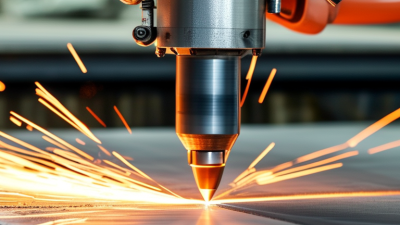
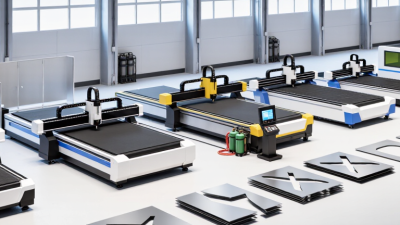
What Is an Aluminium Laser Cutting Machine?
An aluminium laser cutting machine uses a focused laser beam to cut aluminium sheets, plates, and profiles with controlled heat. In a workshop, it can produce clean slots, brackets, panels, and enclosures from digital drawings. The process looks simple. It is not always simple. Aluminium reflects laser energy and conducts heat quickly, so settings require careful adjustment. Power, cutting speed, assist gas, focal position, and material thickness all influence the edge.
Modern systems commonly use fiber lasers, CNC motion controls, automatic height sensing, and protective enclosures. Fiber technology often provides efficient cutting for common aluminium grades, while CNC control supports repeatable shapes and accurate nesting. Operators still matter. They inspect the first piece, listen for unstable cutting, and check burrs under good lighting. A polished edge may hide a dimensional error. This is where practical experience supports machine specifications.
Choosing an aluminium laser cutting machine should begin with real production needs, not impressive brochure numbers. Consider sheet size, alloy, thickness range, daily workload, tolerances, extraction, maintenance access, and operator training. Ask suppliers for sample cuts using your own material. Results can differ between 5052, 6061, and other alloys. No machine is perfect. Even a capable system may struggle with reflective surfaces, warped sheets, or poorly maintained optics. A reliable evaluation records cut quality, downtime, operating costs, and safety performance before purchase. With that evidence, buyers can judge whether the machine improves production rather than merely adding another impressive tool.
What an Aluminium Laser Cutting Machine Is
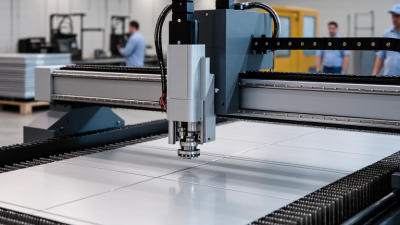
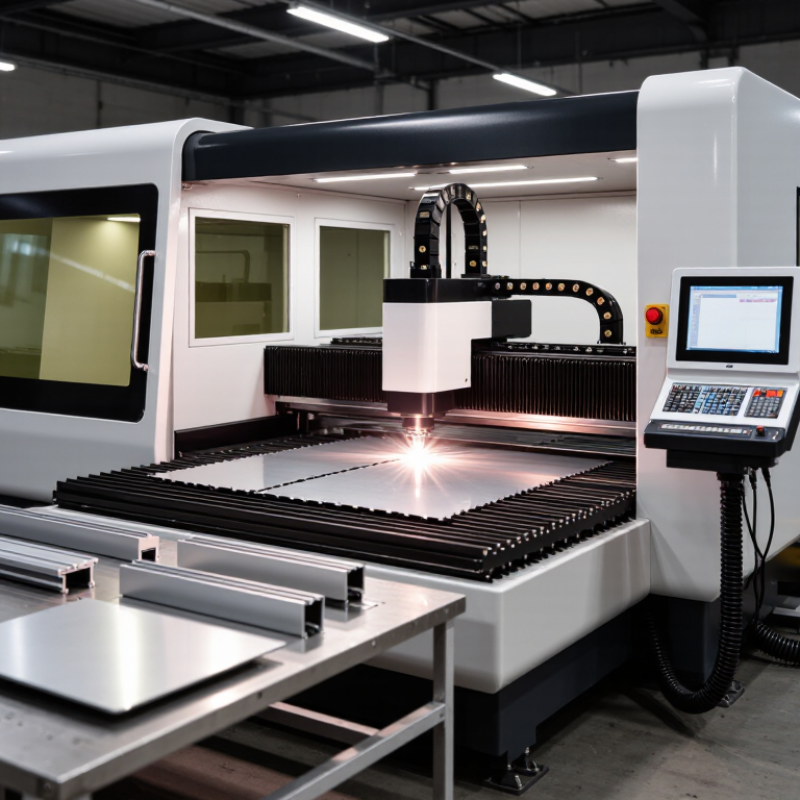
An aluminium laser cutting machine is a computer-controlled tool for cutting aluminium sheets, plates, and profiles. It uses a focused laser beam to melt a narrow path through the metal. A cutting head moves across the material according to digital drawings. The machine also uses assist gas to push molten aluminium away from the cut.
Its main parts include a laser source, CNC motion system, cutting head, worktable, and extraction unit. Aluminium conducts heat quickly, so stable power and accurate focus matter. Its bright surface can also reflect laser energy. Proper machine design, enclosure protection, and trained operation are essential for reliable use. In practical workshops, operators often check lens condition, nozzle alignment, and gas pressure before each production run.
The machine can produce clean edges for panels, brackets, signs, and lightweight structural parts. Thin aluminium may cut quickly, while thicker plate needs slower movement and carefully controlled power. Small mistakes become visible fast. A dirty lens can create rough edges. Excessive heat may leave discoloration or distortion. The process is not foolproof. Even a precise machine cannot correct a poor drawing or badly supported sheet. Test cuts on leftover material help reveal these problems before valuable aluminium reaches the table. Surface scratches, warping, and changing alloy grades still require human judgment.
How the Aluminium Laser Cutting Process Works
What Is an Aluminium Laser Cutting Machine?
How the Aluminium Laser Cutting Process Works
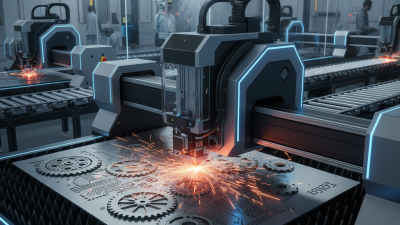
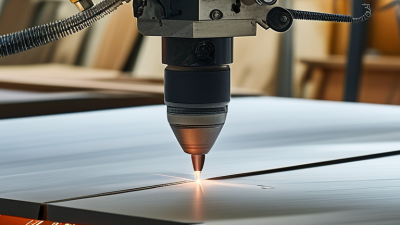
An aluminium laser cutting machine directs a concentrated beam onto a programmed cutting line. The beam melts a tiny area, while assist gas removes the liquid metal. A CNC system controls movement, speed, power, and focus position. The process is precise, but aluminium is not always easy to cut.
Aluminium reflects light and transfers heat quickly. These properties can weaken penetration and create rough edges. Operators therefore adjust focal height, pulse settings, gas pressure, and cutting speed for each alloy and thickness. Nitrogen often supports cleaner edges, while oxygen may increase cutting speed but produce more oxidation. The International Aluminium Institute reported approximately 72 million tonnes of primary aluminium production in 2024. That scale highlights why stable processing matters across transport, construction, and electronics.
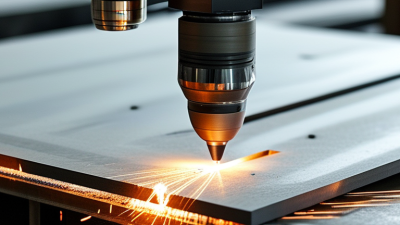
The cut begins with piercing, followed by continuous beam travel along the digital profile. A narrow kerf reduces material waste. Industry testing commonly records kerf widths near 0.1 to 0.3 millimetres, depending on power and sheet thickness. Edge quality still depends on nozzle alignment and surface condition. A small oil mark can change the result. That is easy to underestimate. Operators should inspect the first part, measure the edge, and revise the program when needed. The International Aluminium Institute also reports that recycled aluminium uses roughly 5% of the energy required for primary production, making efficient cutting and scrap control increasingly important.
Main Components of an Aluminium Laser Cutting Machine
An aluminium laser cutting machine uses a focused laser beam to shape aluminium sheets, plates, and profiles. Aluminium reflects light and transfers heat quickly, so stable control is essential. Its main components work as one system. A weakness in one part can reduce edge quality.
The laser source creates the cutting energy. The cutting head focuses that energy through a precision lens and nozzle. A capacitive sensor helps maintain the correct distance from the aluminium surface. The CNC controller guides the cutting path and adjusts speed, power, and piercing settings. Motion rails and servo drives move the head smoothly across the worktable. Small alignment errors matter.
The assist-gas system removes molten metal from the cut. Clean, regulated gas helps produce sharper edges and fewer burrs. A chiller controls the laser source and cutting head temperature. Excess heat can shorten component life. Fume extraction removes smoke and fine particles from the enclosed work area. Safety switches stop operation when the enclosure opens.
Software converts drawings into machine instructions. Good nesting reduces aluminium waste and improves sheet use. However, software settings are not always perfect. Material thickness, alloy condition, and surface film can change the result. Operators should inspect the first cut, measure the kerf, and adjust carefully. Routine lens cleaning, nozzle checks, rail lubrication, and gas inspection support reliable performance. Even experienced operators can miss a gradual focus shift. Regular records make that mistake easier to find.
Main Components of an Aluminium Laser Cutting Machine
The chart shows the typical unit count of core hardware in a three-axis flatbed aluminium laser cutting machine.
A typical system includes one laser source, one cutting head, one CNC control unit, three motion axes, one chiller, and one assist-gas supply system. The exact configuration may vary according to machine design and cutting requirements.
Types and Thicknesses of Aluminium It Can Cut
An aluminium laser cutting machine uses a focused beam to melt or vaporise aluminium along a programmed path. Aluminium reflects laser energy and conducts heat quickly, so cutting requires accurate power, focus, speed, and assist-gas control. In practical workshop use, a fiber laser is commonly selected for aluminium because it transfers energy efficiently and supports clean, narrow cuts.
The machine can process thin foil, sheet metal, and heavier plate. Typical materials include 5052, 6061, 7075, and aluminium alloys used for panels, brackets, frames, and enclosures. Thickness depends heavily on laser power and the required edge quality. A lower-power system may cut 0.5 to 6 mm sheet reliably, while higher-power equipment can often handle 10 to 20 mm plate. Some machines cut thicker sections, but the edge may show more taper, dross, or heat discoloration.
Cutting aluminium is not simply a matter of increasing power. The operator may adjust focal position, cutting speed, gas pressure, and nozzle height for each alloy and thickness. Nitrogen often produces a bright, oxidation-resistant edge, while oxygen can increase cutting energy but may darken the surface. Cut quality changes quickly. Burrs sometimes appear when settings are only slightly wrong. In my experience, test cuts on the actual alloy are essential, because supplier data cannot predict every sheet condition. Warping, protective film, and internal stress can also affect results. Thin sheets especially need stable support and careful heat control.
Key Benefits, Applications, and Safety Considerations
An aluminium laser cutting machine uses a focused light beam to cut aluminium sheets, plates, and profiles with controlled heat. Its narrow kerf supports detailed shapes and reduces material waste. Compared with mechanical cutting, it often produces cleaner edges and fewer tool marks.
The main benefits are speed, repeatable accuracy, and flexible production. A workshop can cut small electronic panels in the morning and larger architectural sections later. The process suits automotive parts, lighting housings, signage, kitchen components, and custom enclosures. Aluminium reflects laser energy, so correct power, focus, gas flow, and cutting speed matter. Poor settings may create burrs, dark edges, or incomplete cuts.
A perfect edge is not guaranteed.
Safety requires disciplined routines. Operators should use a properly enclosed machine, suitable protective eyewear, and effective fume extraction. Aluminium dust and hot offcuts can create fire risks, especially when housekeeping is neglected. Keep the cutting area clear and inspect cables, lenses, filters, and emergency stops regularly. Never bypass interlocks. Training should cover reflective surfaces, moving axes, compressed gases, and the machine’s operating limits. In practical use, checking one test piece before a full batch can prevent expensive waste. I still find this step easy to skip when deadlines feel tight. That shortcut deserves reconsideration.