How to Choose the Best Laser Metal Cutting Machine?
Choosing the right laser metal cutting machine can shape production quality, operating costs, and delivery reliability. The decision deserves more than a quick comparison of advertised wattage. A machine that performs well in a showroom may struggle with your actual materials, tolerances, and daily workload.
In real workshops, details matter. A 3,000-watt fiber laser may cut mild steel efficiently, yet thicker stainless steel can demand greater power and slower feed rates. Sheet size, tube-cutting needs, kerf width, assist-gas consumption, and loading methods also influence productivity. Operators should inspect sample cuts, measure edge roughness, and review piercing performance before approving a purchase. Those small tests often reveal weaknesses hidden by impressive brochures.
Experience also shows that service support can matter as much as cutting speed. Ask about technician response times, spare-parts availability, software training, and preventive maintenance. Request documented test results rather than relying only on verbal promises. A reputable supplier should explain limitations clearly and provide references from comparable manufacturers. No checklist removes every uncertainty. That is worth remembering.
Buyers should also calculate total ownership costs, including electricity, lenses, nozzles, gases, maintenance, and downtime. Automatic nesting may reduce material waste, but only when operators understand the software. Safety systems, enclosed work areas, emergency stops, and approved operating procedures require careful evaluation. The best choice is not always the fastest machine or the lowest quote. It is the laser metal cutting machine that consistently matches your materials, workforce, facility, and long-term production goals. Some compromises remain unavoidable. The goal is to make them visible, measurable, and manageable.
What Is a Laser Metal Cutting Machine?
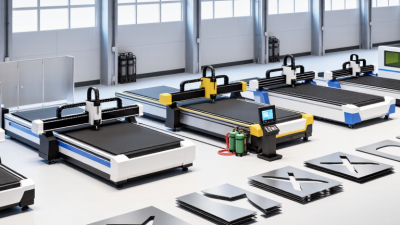
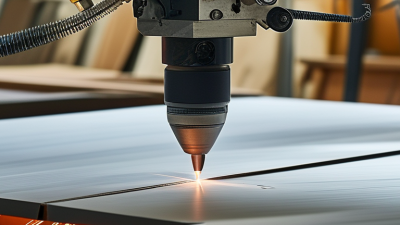
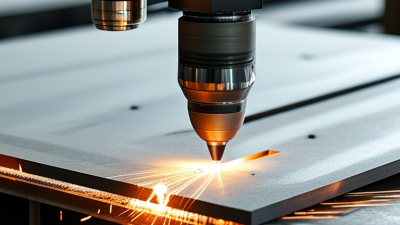
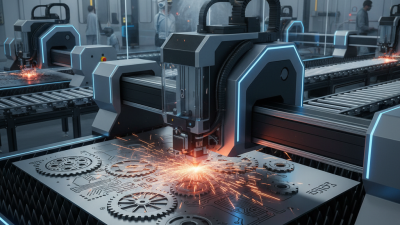
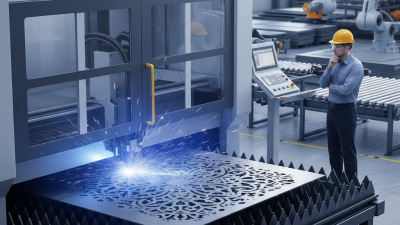
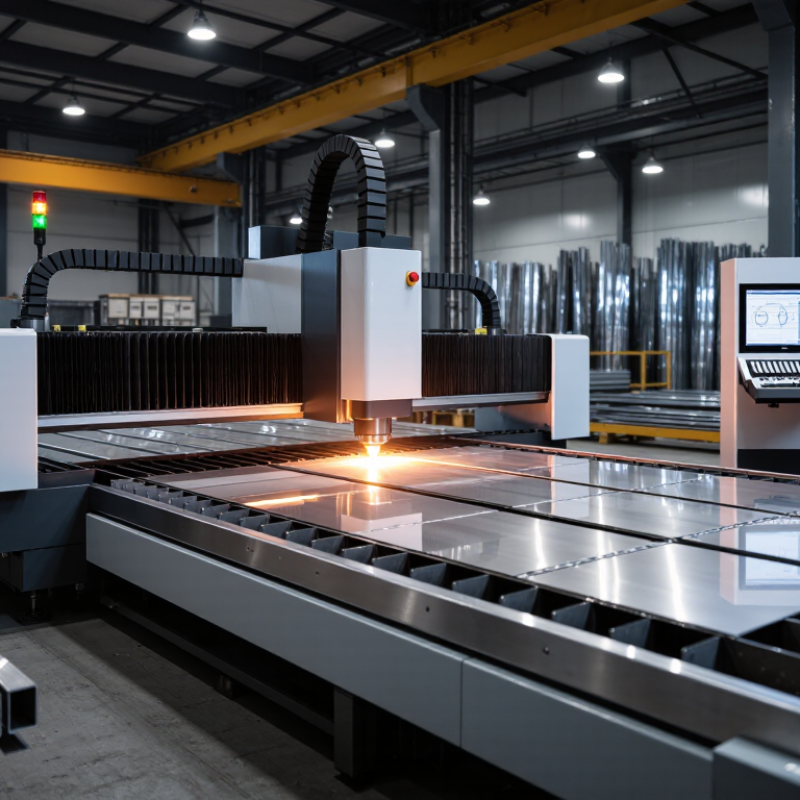
A laser metal cutting machine uses a focused beam of light to separate metal sheets, tubes, or plates. The beam melts or vaporizes a narrow path, while an assist gas removes the molten material. A computer controls the cutting head, movement, power, and speed.
The machine usually includes a laser source, motion system, cutting head, worktable, and cooling unit. Some models use compressed air, nitrogen, or oxygen, depending on the metal and edge requirements. Stainless steel may need a clean, bright edge, while mild steel can accept a different gas setting. A 3 mm sheet can leave the machine with sharp corners and small heat marks.
I have found that material testing matters more than impressive specifications. A fast machine may struggle with reflective metals or intricate holes. It is not magic. Operators must check focus height, nozzle condition, gas pressure, and lens cleanliness. One overlooked nozzle can create uneven edges across an entire batch. I once treated cutting speed as the main priority and ignored heat distortion; the parts were accurate near the edges but warped in the center. That mistake changed how I evaluate equipment.
When choosing a machine, compare its real cutting range, repeatability, control software, maintenance access, and safety systems. Ask for sample cuts using your actual material. Inspect the kerf, corner quality, burrs, and dimensional accuracy. A reliable machine should produce consistent results during ordinary production, not only during a showroom demonstration.
Which Laser Type and Power Match Your Materials?
Choosing a laser metal cutting machine starts with the material, not the advertised wattage.
Fiber lasers usually operate near 1.07 micrometres, while CO2 lasers use about 10.6 micrometres. That shorter wavelength generally suits stainless steel, aluminum, copper, and brass more effectively. Reflective metals demand careful power control and machine protection.
Thickness determines the required power, but it never works alone. A 1 kW fiber source can process thin steel efficiently, while thicker plate usually needs higher power, slower speed, or multiple passes.
Cutting tables from the Laser Institute of America stress that beam quality, focus position, assist gas, and nozzle alignment also affect results. A powerful source with poor setup may produce rough edges.
Consider your real workload. The World Steel Association reported 1.89 billion tonnes of crude steel production in 2023, showing the scale of steel fabrication. The International Aluminium Institute reported global primary aluminum production above 70 million tonnes in 2023. These materials behave differently under heat. Aluminum reflects more energy, and copper transfers heat quickly.
A neat chart can still mislead. Real results vary.
For occasional thin-sheet work, excessive power may increase purchase and operating costs without improving accuracy. For mixed materials, a medium-power fiber system often offers practical flexibility.
Test your thickest and most reflective material before deciding. That test may challenge your original choice.
What Machine Features Improve Efficiency and Safety?
How to Choose the Best Laser Metal Cutting Machine?
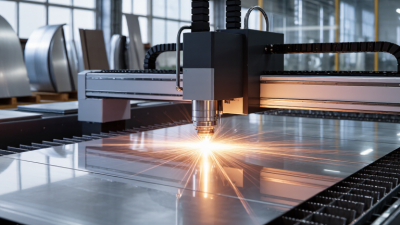
Efficient cutting begins with stable motion, accurate focusing, and quick setup. Choose a machine with automatic focus and height control. These features keep the nozzle at a consistent distance from the metal. They also reduce collision risks when sheets are uneven. A reliable cutting head should detect abnormal contact and stop quickly. Closed enclosures, door interlocks, emergency stops, and effective fume extraction protect operators during daily work. Check whether safety systems are clearly documented and tested under local requirements.
Tips: Watch a live cutting test. Inspect the edge, sparks, noise, and smoke. Ask how long nozzle changes take. Review service records, training support, and spare-part availability. Simple diagnostics can reduce downtime when a sensor or cooling system fails.
Software also affects efficiency. Automatic nesting can reduce material waste, while job previews help prevent incorrect dimensions. Look for real-time monitoring of gas pressure, temperature, and cutting power. These warnings may prevent expensive damage. However, maximum speed is not always the best choice. A fast machine can create rough edges if settings are poorly matched to thickness. In practical evaluations, operators should test thin sheets, thick plates, small holes, and repeated parts. One weakness often appears there. I would choose consistent performance over impressive specifications, because safe production depends on trained people, clear procedures, and honest maintenance planning.
How to Choose the Best Laser Metal Cutting Machine?
Typical maximum cutting speeds for a 3 kW fiber laser cutting machine by material and thickness
Cutting speed decreases as material thickness increases. When comparing machines, prioritize sufficient laser power, automatic focus adjustment, stable motion control, enclosed guarding, interlocked doors, fume extraction, and overload protection. The values shown are representative industrial operating ranges and vary with assist gas, material grade, nozzle condition, and cut-quality requirements.
How to Evaluate Costs, Maintenance, and Supplier Support?
Choosing the best laser metal cutting machine starts with total cost, not the purchase price. Request a five-year estimate covering electricity, assist gas, lenses, nozzles, filters, software, labor, and downtime. McKinsey reports that predictive maintenance can reduce maintenance costs by 10–40% and downtime by 30–50%. These figures are useful benchmarks, not promises. Your material mix, cutting thickness, and shift pattern will change the result.
Ask for maintenance intervals in operating hours, not vague calendar terms. Inspect nozzle alignment, lens replacement procedures, lubrication points, and fault-history access. A machine cutting stainless steel all day may consume more optics than a mixed-workshop estimate suggests. Include energy measurements at realistic power levels. The U.S. Department of Energy identifies operation and maintenance as major contributors to industrial equipment lifecycle costs. My first estimate would still be incomplete without scrap, setup time, and operator training.
Supplier support deserves the same financial scrutiny. Require documented response times, remote diagnostics, spare-parts availability, installation training, and local service coverage. The 2023 World Manufacturing Forum report emphasizes digital skills and resilient service networks as important manufacturing priorities. Ask for references from workshops with similar workloads. Cheap support can become expensive downtime. Also, challenge impressive uptime claims: request definitions, test conditions, and exclusions in writing. A careful buyer should budget for one uncomfortable possibility: even a well-designed machine may need specialist help during its first production months.