How to Choose the Best Metal Plate Cutting Machine in 2026?
Choosing the best metal plate cutting machine in 2026 requires more than comparing advertised power and price. It requires evidence from your own production floor. Grand View Research’s metal cutting machine market analysis identifies automation, digital controls, and higher productivity as major industry drivers. MarketsandMarkets also highlights growing demand for laser-based systems across automotive, construction, and general manufacturing. These reports show market direction, not a guaranteed return on investment. Your material mix still matters more.
A practical evaluation should begin with plate thickness, steel grades, sheet dimensions, tolerance requirements, and monthly cutting hours. Compare fiber laser, plasma, oxy-fuel, and waterjet technologies against those conditions. Request test cuts using your actual material. Inspect the edge for dross, taper, heat distortion, and visible striations. Record cutting speed and pierce time. Include assist gas, consumables, electricity, software, maintenance, training, and downtime in the calculation. A cheaper machine can become expensive after twelve months.
Industry standards can improve decision quality. ISO 9013 helps classify thermal-cutting quality and dimensional performance. Supplier quality systems, documented service procedures, spare-parts availability, and verified customer references also deserve attention. Ask who will repair the machine at 2 a.m. Experience matters. No spreadsheet captures every shop-floor surprise. A useful decision should combine manufacturer data, independent reports, operator feedback, and a realistic lifecycle-cost model. The “best” machine may not be the fastest one. It may be the system that delivers stable edges, predictable uptime, and manageable operating costs every working shift.
What Is a Metal Plate Cutting Machine?
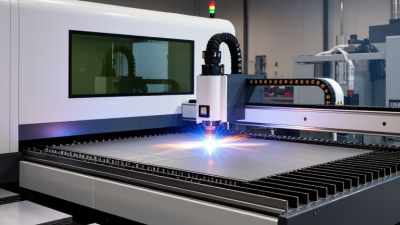
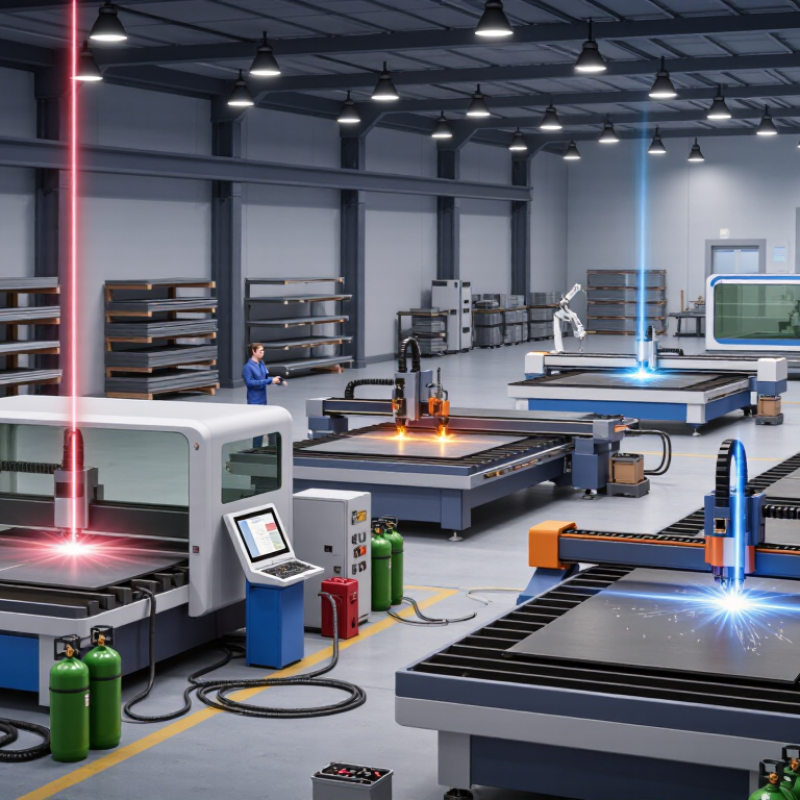
A metal plate cutting machine is industrial equipment designed to cut flat metal sheets into accurate shapes. It uses a controlled heat, arc, or high-pressure water stream. Common systems include laser, plasma, oxy-fuel, and waterjet cutters. Each method suits different thicknesses, materials, and edge requirements. The machine usually combines a cutting head, moving gantry, drive system, worktable, and computer control. Operators load a digital drawing and adjust speed, power, gas, or pressure.
In a fabrication shop, the best machine depends on the actual workload. A laser cutter can produce narrow kerfs and clean edges on many thin and medium plates. Plasma often offers faster cutting for thicker steel, but may leave more heat-affected areas. Waterjet cutting avoids heat distortion, although it usually requires more operating time and water management. Plate size matters too. A small table cannot efficiently handle long structural parts.
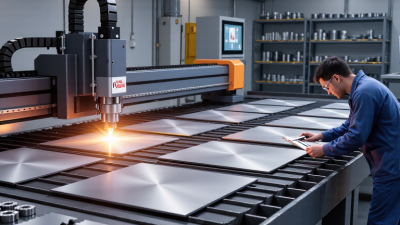
Look closely at daily details. Can one operator load the plate safely? Is the fume extraction adequate? Does the control system record cutting parameters? Reliable results also require level installation, regular nozzle inspection, and accurate material calibration. Never judge a machine by speed alone. The fastest setting may create dross, bevel, or wasted material. The cleanest edge is not always necessary, either. Sometimes I would choose a slower process because rework costs more than cutting time. That judgment can be imperfect, so sample tests and measured results should guide the final decision.
Which Cutting Technologies Are Available in 2026?
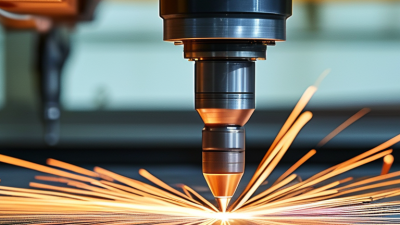
In 2026, metal plate cutting shops can choose among fiber laser, CO2 laser, plasma, waterjet, and oxy-fuel systems. Each technology solves a different production problem. Fiber lasers suit thin and medium steel, stainless steel, and aluminum. They deliver narrow kerfs, fast piercing, and clean edges when settings are calibrated correctly. A 6 kW system may cut production parts quickly, but power alone does not guarantee quality. No machine is magic. Assist gas, nozzle condition, sheet flatness, and operator experience still influence the result. For reflective metals, engineers should confirm optical protection and tested material ranges before purchasing.
Plasma remains practical for thicker carbon steel and busy fabrication floors. It usually costs less than high-power laser equipment, although its kerf can be wider and edge taper more visible. Waterjet cutting handles thick plate, heat-sensitive alloys, and mixed materials without a heat-affected zone. It is precise, but abrasive use, water treatment, and slower cutting can raise operating costs. Oxy-fuel is slower and less flexible, yet useful for very thick mild steel. Hybrid tables may combine methods, but added capability can increase maintenance and training demands. Compare sample cuts, piercing time, dross, tolerances, energy use, and service response. I have seen attractive specifications fail under dusty conditions. A factory trial often reveals more than a sales sheet.
How to Match Machine Features With Material and Workload
Choosing a metal plate cutting machine in 2026 starts with the material, not the advertised wattage. The World Steel Association reported 1.884 billion tonnes of crude steel production in 2023, showing how varied steel workloads remain. Mild steel, stainless steel, aluminum, and copper require different power, gas, focus, and table designs. Match the machine to your sheet range, thickness distribution, edge tolerance, and daily cutting hours. Short tests matter.
For mixed production, fiber laser cutting usually suits fast, repeatable profiles. However, thick plate may expose limits in piercing time and heat control. The U.S. Department of Energy links compressed air with 10% to 30% of industrial electricity use. Assist-gas efficiency deserves measurement, not guesswork. Track kerf width, dross, piercing time, and gas consumption on actual jobs. A sample cut is useful, but it is not your workload.
Workload changes the buying decision. The International Federation of Robotics recorded 541,302 industrial robot installations in 2023. This supports loading systems, nesting software, and reliable controls. Still, automation can be wasteful for occasional custom plates. I would challenge my own first estimate: peak thickness is not average throughput. A machine sized only for the thickest job may spend most days running slowly. Request a timed trial using common material, awkward profiles, and real batch sizes. Measure total cost per finished plate.
How to Choose the Best Metal Plate Cutting Machine in 2026?
Match machine features with material type and workload requirements.
The chart shows typical practical plate-thickness capabilities in millimeters under standard industrial conditions. Fiber laser cutting is generally preferred for high-volume, precision work on thin-to-medium mild steel, stainless steel, and aluminum. Plasma is suitable for faster processing of thicker conductive plates, while oxy-fuel is mainly used for very thick mild steel. Abrasive waterjet cutting supports a broad range of materials and thicknesses when heat-affected zones must be avoided.
Actual capacity depends on power rating, consumables, plate grade, tolerances, edge quality, and required production speed.
What Performance, Safety, and Automation Factors Matter?
How to Choose the Best Metal Plate Cutting Machine in 2026?
Choosing a metal plate cutting machine in 2026 starts with real production needs. Performance means more than maximum cutting thickness. Check cutting speed, edge quality, positioning accuracy, and heat distortion. Ask for sample cuts using your actual steel or aluminum grades. A clean edge should need little grinding. Measure kerf width and corner accuracy. These details often reveal more than a catalog promise. Record results across thin and thick plates.
Safety deserves equal attention. Look for enclosed cutting areas, interlocked doors, emergency stops, and automatic height sensing. Effective fume extraction matters in a busy workshop. Fire-resistant surfaces and overload protection reduce operational risks. Operators also need practical training and clear maintenance procedures. A checklist can feel slow. It prevents rushed decisions. Verify access to service points, filters, and replacement parts before installation. The safest design may not be the easiest one.
Automation should improve consistency without hiding problems. Useful functions include CNC nesting, automatic focus control, material detection, and collision alerts. Remote diagnostics can reduce downtime, but human oversight remains necessary. Test the full workflow: upload a drawing, set plate data, run a cut, and recover from an interrupted job. Alarms should be visible and understandable. Software is never perfect. Leave room for operator judgment, unexpected warping, and occasional setup mistakes. A machine that handles real workshop pressure matters more than one that looks impressive during a demonstration.