By using this site you agree to the use of cookies by the company in accordance with the Privacy Policy
Choosing a screw press dewatering machine is less about buying the largest unit and more about matching it to your actual sludge. A municipal wastewater plant, a food processor, and a livestock operation can handle very different feed materials. Solids concentration, fiber content, throughput, and daily operating hours all affect performance. A sample that looks easy to press in a bucket may behave differently during continuous operation. Small details matter.
Start by checking the required capacity and the incoming sludge’s characteristics. Ask suppliers how they measured their rated output, and whether the figure refers to wet feed or dry solids. Then compare screen openings, screw speed, wash-water needs, and expected cake dryness. A wetter cake may still suit your process if it reduces energy use or keeps the line stable. There is no universal best setting. Not even close.
Consider the installation, too. Measure the space around the machine, including room for screen access and routine cleaning. Review wear-part availability, maintenance intervals, noise, and operator training before comparing purchase prices. Request a trial using representative material when possible, and record the feed rate, filtrate quality, and cake condition. Those observations are more useful than a polished brochure alone. This guide explains how to weigh these practical factors and ask better questions before choosing a screw press dewatering machine. Some estimates will remain uncertain until the machine meets your real feed. That deserves an honest conversation with the supplier.
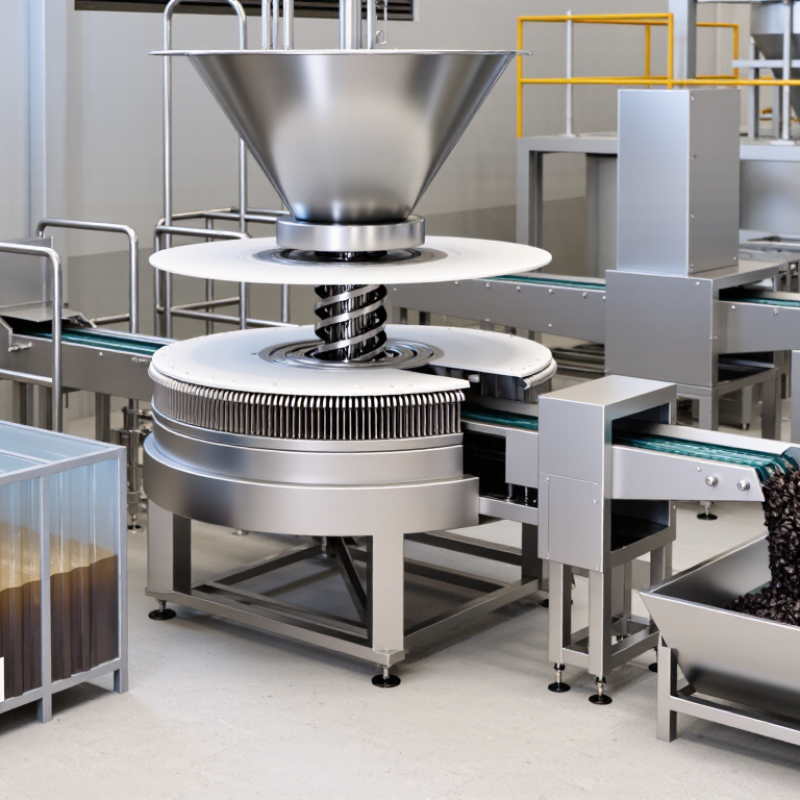
A screw press should be matched to the sludge, not chosen by capacity alone. Start by identifying its source and checking how its solids content changes over a normal operating week. Municipal sludge, fibrous food-processing waste, and oily industrial sludge behave differently under pressure. Grit can increase wear, while stringy material may wrap around moving parts. Note the feed rate, solids concentration, and any seasonal or batch-related variation. A tidy laboratory sample can still mislead if it misses the messier shifts.
Tips: Test representative samples. Record polymer use, filtrate clarity, and cake dryness. Ask whether results hold when feed conditions change.
Define what dewatering must achieve: required throughput, acceptable cake solids, solids capture, and available operating hours. These targets involve trade-offs; a drier cake may require slower processing or more conditioning. Review downstream handling too. A cake that is technically drier may still be awkward to convey or dispose of. If possible, run a pilot using actual sludge and realistic feed variation. Do not treat one successful trial as proof of steady performance. Recheck assumptions with operators, because the process often changes between the test bench and a full production shift.

A screw press dewatering machine should be compared by design and dry-solids throughput, not flow rate alone. Two presses may accept the same volume of sludge yet produce different cake dryness. Feed solids, fiber content, and consistency all affect performance. A variable-pitch screw gradually compresses material as it moves through a screened basket. Multi-disc designs use moving and fixed rings, which can resist blinding when handling sticky or fibrous sludge. Neither design is best for every feed.
Processing capacity should be stated in kilograms of dry solids per hour, alongside the expected feed concentration. Ask suppliers to explain the test conditions behind their figures. Were samples taken from your process, or was the estimate based on a cleaner, steadier feed? Small details matter. A sudden change in solids content can reduce throughput or make the cake wetter. Check whether the press can handle peak loads, not just a typical day.
Compare screen openings, screw speed controls, wash-water needs, and access for cleaning. A finer screen may improve solids capture, but it can demand more cleaning. Look at the whole operating routine: who removes trapped material, and how often are wear parts inspected? A short pilot run with representative sludge is useful, though it may not capture seasonal variation. Leave room for uncertainty in the capacity estimate; real feeds rarely behave perfectly.
Choose wetted materials against the actual sludge chemistry, not a generic “corrosion-resistant” label. Chlorides, cleaning chemicals, and abrasive grit can attack screens, shafts, and seals differently. Ask for a materials list and inspect the screen gap, welds, and seal access. Small details matter. EPA’s national biosolids assessment estimated that U.S. facilities generated about 4.75 million dry metric tons in 2018, a reminder that sludge volumes vary greatly by plant and process. That figure is context, not a sizing value. Test representative feed samples before accepting a throughput guarantee.
Controls should let operators adjust screw speed and polymer dose, while displaying torque, alarms, and wash-water status. Check that trend logs are easy to export; otherwise, diagnosing a gradual decline in cake dryness becomes guesswork. Compare cake solids, capture rate, and polymer use during a sustained trial, not just a short demonstration. A polished control panel cannot correct poor conditioning. Ask how the machine responds to feed changes and what happens during a jam or sensor fault. I would also review maintenance access with the operators who will clean the screen. One weakness in many evaluations: attention goes to purchase price, while water use and routine washdowns get barely measured. Record those costs during the trial, then challenge your own assumptions.
| Evaluation Area | What to Check | Why It Matters | Practical Selection Guidance |
|---|---|---|---|
| Feed material | Sludge or slurry source, fiber content, particle size, abrasiveness, and tendency to mat or clog | Material properties influence screen selection, screw design, wear, and the ability to form a drainable cake. | Describe the feed using representative samples and process data. Test difficult or variable materials before specifying the machine. |
| Feed consistency | Solids concentration and expected variation in feed flow and composition | Changes in feed conditions can affect throughput, drainage, cake dryness, and operating stability. | Provide normal and peak operating ranges, not only a single design-point value. Confirm the supplier's stated capacity at comparable feed conditions. |
| Required separation | Target cake solids, filtrate quality, and any downstream handling or disposal requirements | A press must meet the process objective; maximum dryness is not always the most economical operating target. | Set measurable acceptance criteria and ask for test results on representative feed. Treat performance as feed-dependent rather than guaranteed for all materials. |
| Screen and wetted materials | Screen opening and material, screw construction, seals, and corrosion-resistant materials | Screen choice affects drainage and solids retention, while wetted-material compatibility affects service life. | Match materials to the feed's chemical and abrasive properties. Confirm screen availability, cleaning method, and replacement procedure. |
| Capacity and layout | Required dry-solids throughput, available floor space, elevation, access, and connection points | Capacity depends on the machine and feed characteristics; installation constraints can affect access and supporting equipment. | Size from dry-solids loading and actual process conditions. Check maintenance clearances and provisions for feed, filtrate, cake, and wash water. |
| Speed control | Whether screw speed can be adjusted, such as through a variable-frequency drive | Adjustable speed can help operators respond to changes in feed and balance throughput with drainage and cake formation. | Check the available adjustment range, local controls, and any automatic operating logic. Verify that settings can be tuned during commissioning. |
| Pressure and cake control | Discharge restriction or back-pressure adjustment, and how cake discharge is managed | Discharge conditions influence residence time and dewatering, but excessive restriction can increase load or cause plugging. | Choose an arrangement suited to the material and confirm how operators detect and respond to overloads or blocked discharge. |
| Instrumentation and alarms | Motor current or torque monitoring, speed indication, level or flow signals, and alarm outputs | Useful instrumentation helps identify abnormal loading, interruptions, and changing process conditions. | Specify the signals required for local operation or connection to a plant control system, and clarify alarm and shutdown functions. |
| Cleaning and maintenance | Screen-washing arrangement, access to wear parts, lubrication points, and maintenance intervals | Accumulated solids and wear can reduce drainage and availability; maintenance access affects service time. | Review cleaning requirements and routine service tasks. Confirm safe isolation procedures and the expected availability of replacement parts. |
| Utilities and operating environment | Electrical supply, wash-water demand, ambient conditions, noise, and installation location | Utility and site requirements affect installation cost and reliable operation. | Check the machine's documented power and water requirements, enclosure rating, and suitability for the intended indoor or outdoor location. |
| Acceptance and lifecycle cost | Performance test basis, energy and water use, wear-part consumption, labor, and service support | Purchase price alone does not reflect operating cost or whether the machine meets the process requirement. | Compare proposals using the same feed assumptions and acceptance criteria. Include commissioning, maintenance, consumables, and operator training. |
Installation planning should begin with the actual sludge room, not a catalogue diagram. Measure the machine footprint, service clearances, doorways, and overhead lifting height. Check floor loading, drainage capacity, electrical supply, wash-water pressure, and polymer preparation space. Small details matter. A press that fits on paper may block a screen pull or leave no room for a maintenance cart.
Maintenance requirements depend on sludge characteristics and operating hours. Ask for routine inspection tasks and realistic labor estimates before selecting a model. Operators should be able to reach the screen, screw, seals, bearings, and gearbox without awkward lifting or dismantling nearby pipework. Check whether wash nozzles can be inspected easily; clogged jets can leave solids on the screen and reduce performance. Keep wear parts on site when delivery delays would stop dewatering. Follow the supplier’s service schedule, then adjust it using observed wear and cleaning frequency. A monthly checklist helps, but it is not proof that the interval suits every plant. Test the plan during commissioning, and record what actually takes time.
A screw press quote can look attractive until operating costs enter the picture. Compare the purchase price with electricity use, polymer demand, wash water, labor, and replacement parts. Ask suppliers to estimate costs using your actual sludge flow and solids content, not a best-case example. Small differences add up.
Request a written estimate for annual operation, including expected screen and screw wear. Check what the estimate assumes about operating hours and cake dryness. A wetter cake may increase hauling costs, while frequent cleaning can take staff away from other tasks. Numbers help, but they are not guarantees. Your feed material may vary more than the spreadsheet suggests.
Supplier support deserves the same scrutiny as machine performance. Confirm who handles installation, operator training, and troubleshooting, and how quickly service is available. Ask which spare parts should be kept on site and whether support includes follow-up visits after commissioning. Get these details in writing. A warranty alone does not keep a press running. It is easy to overlook response time during purchasing; later, a delayed part can matter more than a modest difference in the initial quote.
By using this site you agree to the use of cookies by the company in accordance with the Privacy Policy
Have a questions or want to know more about our company? We'll be expecting you.