2026 Best Stainless Steel Cutting Machine for Sale?
In 2026, choosing a stainless steel cutting machine is less about buying the highest advertised wattage and more about matching the equipment to real production work. The International Stainless Steel Forum’s Stainless Steel in Figures 2024 reports global stainless crude-steel production of 58.4 million tonnes in 2023, a 4.6% increase from 2022. That signals a substantial materials base, not guaranteed demand for any particular machine. Buyers still need to check their own part mix, throughput, and operating costs.
A useful manufacturing principle comes from Toyota production-system architect Taiichi Ohno: “Where there is no standard, there can be no kaizen.” It was not written specifically about cutting equipment. Still, it points to a practical question: can operators repeat the required cut quality, shift after shift? Look closely at sample edges, burrs, heat effects, and how easily the machine handles your actual sheet thickness. Small details matter.
This guide compares machine types, key specifications, and buying considerations for 2026. It also separates measurable claims from sales language. I would not choose on laser power alone; that is an easy shortcut, and sometimes the wrong one. Ask suppliers for test cuts using your stainless grade and thickness. Verify service coverage, consumable costs, extraction provisions, and training before comparing quotes. One caution: published production figures describe the steel market, not cutting-machine sales. A careful shortlist should begin with your own production records, then use supplier demonstrations to test the fit. Real parts, not glossy brochures, tell the fuller story.
Types of Stainless Steel Cutting Machines and How They Work
2026 Best Stainless Steel Cutting Machine for Sale?
Types of Stainless Steel Cutting Machines and How They Work
Stainless steel cutting machines use different methods to separate sheet, plate, tube, or bar. The right choice depends on material thickness, required edge quality, and production volume. A thin sheet for a control panel has different needs from a thick plate for a machine frame.
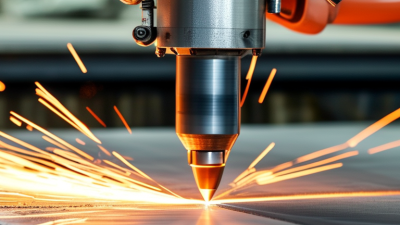
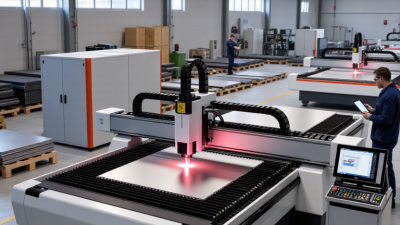
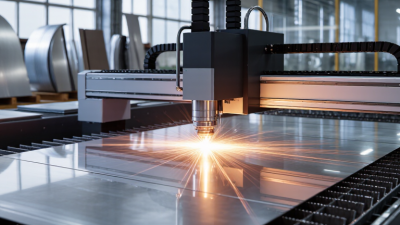
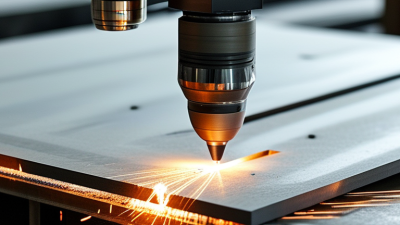
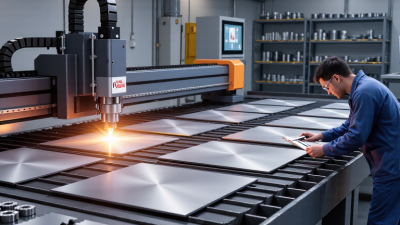
Laser cutters focus a beam onto the steel, melting a narrow path while assist gas clears the cut. They can produce precise shapes and small details, but heat may discolor the edge. Plasma cutters use an electrically heated gas stream to cut conductive metal. They are often suited to thicker stock, though the cut can be rougher. No method is perfect.
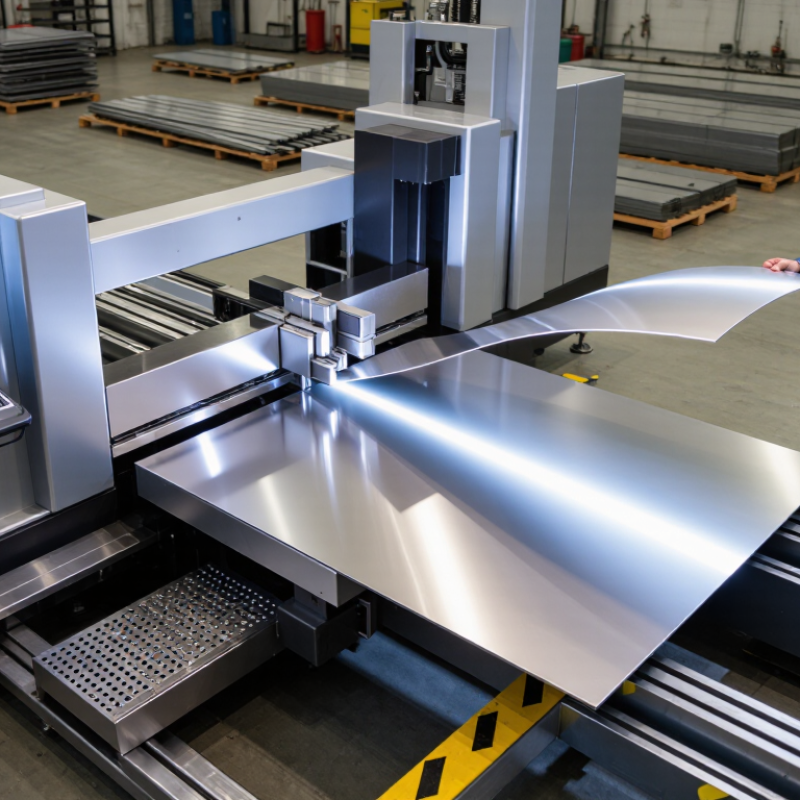
Waterjet machines push high-pressure water, often mixed with abrasive, through a small nozzle. They cut without adding a heat-affected zone, which can help when heat distortion matters. Mechanical shears make straight cuts in sheet metal, while band saws are common for bars and tubes. A practical shop check is to test the actual grade and thickness before committing. Even a good machine may need slower settings or extra edge finishing; that detail is easy to overlook.
Key Features That Determine Cutting Performance
2026 Best Stainless Steel Cutting Machine for Sale?
Key Features That Determine Cutting Performance
A stainless steel cutting machine should match the material thickness and daily workload. For laser systems, source power affects cutting speed and the thickness range the machine can handle. More power is not automatically better; an oversized system may add cost without improving typical jobs. Check the manufacturer’s stated capacity against your actual grades and sheet sizes.
Motion accuracy matters just as much. A rigid frame, responsive drive system, and stable cutting head help keep edges consistent across a full sheet. Watch for burrs, heat discoloration, and corner rounding during a sample cut. Small details count. Ask for a test using the same thickness and grade you plan to process, then inspect both the edge and the cut dimensions.
Gas delivery and temperature control also shape results. Clean, steady assist gas can help produce a smoother edge, while reliable cooling supports longer operating periods. Confirm that the control software allows practical adjustments to speed, power, and gas settings. In a busy shop, easy maintenance matters too: accessible lenses, filters, and service points can reduce downtime. One limitation is easy to overlook: published speed figures may describe ideal conditions, not everyday production. Compare realistic cut samples, operating costs, and service support before choosing a machine.
How to Choose a Machine for Material, Thickness, and Workload
2026 Best Stainless Steel Cutting Machine for Sale?
How to Choose a Machine for Material, Thickness, and Workload
Choose a stainless steel cutting machine around the grades and thicknesses you actually process. A system rated for thin 304 sheet may struggle with thicker plate or reflective surfaces. Check the manufacturer’s stated capacity, then request a sample cut using your material. Look closely at edge dross, heat discoloration, burrs, and dimensional accuracy. Clean edges matter. They can reduce grinding time later.
Workload matters as much as maximum thickness. Estimate daily cutting hours, average part size, and how often jobs change. For steady production, compare cycle time, loading needs, maintenance access, and consumable costs. For short runs, setup time and flexible programming may matter more than peak speed. Confirm that the cutting method and assist-gas setup suit your material and finish requirements. I would still leave capacity headroom; production needs often grow, though buying far beyond your needs can waste budget.
Tips: Bring real drawings and a representative stainless sample to a machine evaluation. Ask for a cut at your usual thickness and at the thickest thickness you expect to run. Check the finished parts yourself. Don’t judge by speed alone.
Comparing Machine Options Available for Sale in 2026
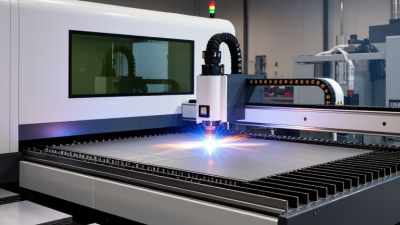
When comparing stainless steel cutting machines for sale in 2026, start with the work you actually handle. A fiber laser can produce clean, detailed cuts in thin and medium sheet, but its output depends on material thickness, assist gas, and setup. Ask for a test cut using your own stainless steel grade. A polished sample from a different thickness tells you little.
Plasma systems may suit thicker plate and faster rough cutting. Their edges can need more cleanup, especially when appearance matters. Waterjet cutting avoids heat-related edge changes, but abrasive use and slower cutting can raise operating costs. Mechanical shears are simpler for straight cuts, though they cannot create intricate shapes. There is no perfect option. Not always.
Compare more than the purchase price. Check the working area, stated thickness range, positioning accuracy, extraction needs, software, and local service access. Request a written quote that separates installation, consumables, and training. A low price can feel reassuring, but an unavailable technician may cost more than expected. I would also inspect a machine running a real job, not just a polished showroom demonstration. One detail is easy to miss: routine loading and cleaning can shape daily productivity as much as cutting speed.
Costs, Safety Requirements, and Maintenance Considerations
Choosing a stainless steel cutting machine in 2026 means comparing more than its sale price.
A compact fiber-laser model may cost less upfront than a larger system. Installation, power demand, extraction, and assist gas can change the real budget. Ask for a written quote that separates the machine, software, commissioning, training, and expected consumables.
The cheapest quote can become expensive.
Check safety requirements before delivery, not after the first cut.
Confirm that the enclosure, interlocks, emergency stops, ventilation, and fire controls suit the process and workspace. Operators need task-specific training and appropriate eye, hand, and hearing protection. PPE does not replace machine guards. Keep combustible offcuts away, and document a safe shutdown procedure.
Details matter.
Maintenance affects cut quality and ownership costs.
Inspect optics, nozzles, filters, and coolant according to the equipment’s service schedule; residue or dust can quickly spoil a clean edge. Record faults and consumable changes, and keep service access clear.
Small omissions add up.
I would also budget for downtime, though estimates are uncertain before production data exists. That uncertainty deserves an honest place in the purchase decision.