en
Get in touch

2026 Top Types of Steel Sheet Laser Cutting Machines

Choosing a steel sheet laser cutting machine in 2026 means matching the equipment to the work, not chasing the highest power rating. A small fabrication shop cutting 2 mm stainless steel has different needs from a production line processing thick carbon-steel plates all day. The distinction matters.

Laser-cutting expert John Powell has written extensively about cutting processes. The following is an editorial summary of a practical principle associated with his work, not a verbatim quotation: “Reliable cutting depends on matching the beam, material, and process settings.” That principle guides this overview.

The article compares major machine types, including fiber and CO₂ systems, flatbed configurations, and high-power models for thicker sheets. It also considers what their specifications mean on the shop floor. A clean edge on a test coupon is useful, but daily performance depends on more: sheet handling, assist-gas control, nesting software, maintenance access, and operator experience. Details count.

No machine suits every workshop. A compact fiber system may save floor space and handle reflective metals efficiently, while a larger platform can better support oversized sheets or higher throughput. Some trade-offs are easy to overlook. A faster cutting head will not fix poor material handling or inconsistent setup. This guide outlines the differences, practical strengths, and limitations of each type, helping buyers assess machines against their materials, workload, budget, and available space.

2026 Top Types of Steel Sheet Laser Cutting Machines

What Are Steel Sheet Laser Cutting Machines?

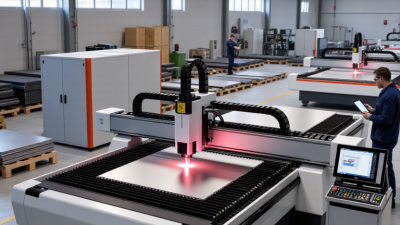
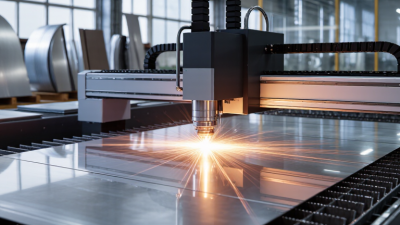
A steel sheet laser cutting machine is a computer-controlled system that cuts flat metal by directing a concentrated laser beam along a programmed path. The beam heats a narrow area until the material melts or vaporizes. Assist gas then clears the cut zone, helping produce a clean edge. The machine’s CNC controller coordinates the beam, cutting head, and sheet movement with precise timing.

A typical system includes a laser source, cutting head, worktable, motion controls, and protective enclosure. Fiber lasers are widely used for sheet steel, while other laser sources may suit particular materials or production needs. Machines also differ in bed size, power, automation, and whether they handle sheets alone or combined sheet-and-tube work. Those differences affect what a shop can process efficiently.

In practice, a clean cut is not automatic. Steel thickness, surface condition, focus, gas pressure, and cutting speed all influence edge quality. A small setup error may leave rough edges or excess dross. That matters. Operators need to check settings against the material and inspect test cuts before production. Even a capable machine requires maintenance and careful setup; the specification sheet cannot tell the whole story.

How Steel Sheet Laser Cutting Machines Work

2026 Top Types of Steel Sheet Laser Cutting Machines

How Steel Sheet Laser Cutting Machines Work

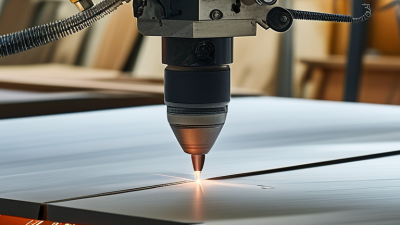
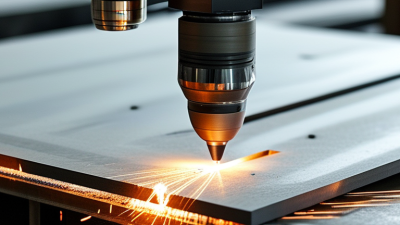
A steel sheet laser cutting machine turns a digital drawing into a controlled path across metal. The operator prepares the geometry in CAD software, then uses machine software to set the cutting route and parameters. A focused laser heats a small area until the steel melts or vaporizes. Assist gas flows through the cutting head, clearing molten material from the kerf. It melts metal.

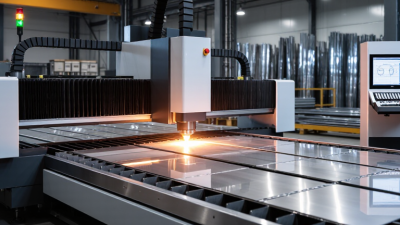
The cutting head and sheet move in coordination, guided by a CNC controller. Before a full cut, the laser pierces the sheet at the programmed start point. Then it follows the contour, adjusting direction around corners and curves. Results depend on sheet thickness, laser power, cutting speed, focus position, and gas flow. Small errors matter. A nozzle too close to the surface, or a worn nozzle, can disturb the cut and leave rough edges.

In practical use, operators check the sheet for warping and keep it supported on the cutting bed. They also inspect sample cuts before running a full batch. A clean edge is not guaranteed just because the drawing is accurate; settings and material condition both affect the finish. Even experienced operators may need a few careful adjustments when steel thickness varies slightly. That detail is easy to overlook.

Main Types of Steel Sheet Laser Cutting Machines in 2026

In 2026, the main types of steel sheet laser cutting machines differ by laser source and table design. Fiber laser machines are widely used for cutting carbon steel and stainless steel. They offer fast processing, fine kerfs, and efficient energy use. Power, nozzle condition, and assist-gas settings all affect the finished edge. A clean-looking cut still needs inspection.

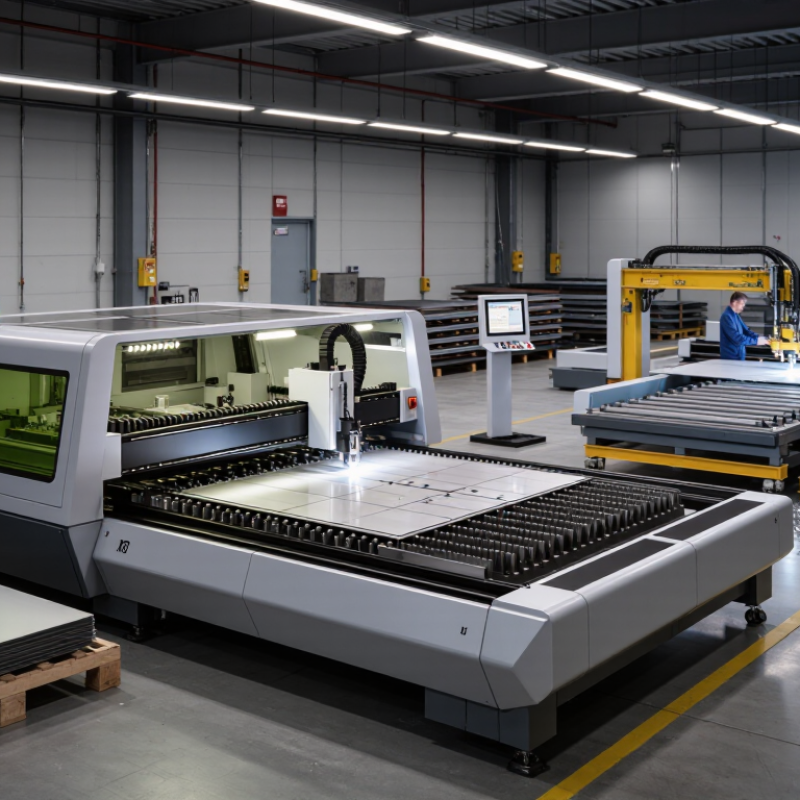
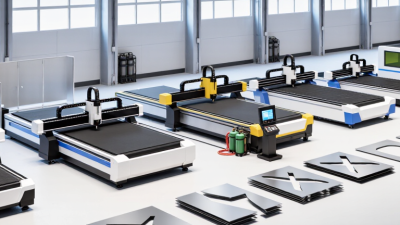
Flatbed machines hold sheets on a fixed cutting bed and suit varied part sizes. Enclosed models add guarding and help contain light, fumes, and sparks when properly configured. Shuttle-table machines move one table out for loading while the other remains available for cutting. This can reduce idle time in busy shops. Sheet-and-tube combination machines handle both flat stock and round or shaped profiles, but their extra functions may be unnecessary for sheet-only work. That distinction is easy to overlook.

Tips: Match the working area to your largest regular sheet, not just occasional jobs. Check thickness capacity against the material grade and cut quality you need. Ask for sample cuts; small burrs can tell you a lot.

How the Main Machine Types Differ in Power and Cutting Capacity

Steel sheet laser machines differ most clearly in source power and the thickness they can cut reliably. Compact fiber systems around 1–3 kW suit thin sheet and frequent work on mild steel around 3–10 mm. They often need less floor space, but thick plate can require slower speeds or multiple passes. That is not a guarantee.

Mid-range machines, commonly 4–6 kW, handle mixed production more comfortably. Depending on steel grade, gas, and setup, they may cut roughly 12–25 mm mild steel. The higher power can improve speed on thinner sheets too, though it does not fix poor focus or worn consumables. Operators should compare sample cuts, not just maximum-thickness claims.

High-power systems, often 8–12 kW or above, are designed for heavier workloads and thicker sections, sometimes around 25–40 mm under suitable conditions. Actual edge quality and speed vary with material and machine configuration. A shop may buy extra power, then find its extraction, chiller, or loading workflow is the real bottleneck. It happens. For a fair comparison, check both rated power and the thickness each machine can cut at the required production speed.

2026 Top Types of Steel Sheet Laser Cutting Machines: Power and Cutting Capacity

Typical fiber-laser sheet machine classes compared by representative laser power and approximate upper mild-steel cutting capacity.

Higher-power machines can generally cut thicker sheet, but actual capacity depends on the laser source, assist gas, material grade, cutting speed, and required edge quality. Values shown are illustrative typical figures, not guaranteed machine specifications.

How to Choose a Steel Sheet Laser Cutting Machine for Your Needs

Choosing a steel sheet laser cutting machine starts with the work you actually run. List your common steel grades, sheet thicknesses, and largest sheet size. Measure twice. A machine’s advertised maximum capacity may not suit your everyday workload. Match laser power to your usual thickness range, rather than buying capacity you rarely use.

Consider the cutting bed, loading method, and available floor space. A larger bed can reduce repositioning, but it also needs room for material handling. Ask how the machine performs on thin sheet and at the thicker end of your requirements. Cutting speed alone is not enough; edge quality, kerf consistency, and repeatability matter too. That matters. Check the controller’s nesting tools and confirm that your existing design files can be used without extra conversion steps.

Plan for extraction, assist-gas supply, routine cleaning, and replacement consumables. These needs affect operating costs and should be clear before installation. Ask what maintenance tasks operators can perform, and what requires a trained technician. Request a sample cut using your own steel, if possible. Inspect the edge for burrs and heat discoloration, then compare the results with your tolerances. A sample cannot predict every job, though. Leave some room in your decision for changing orders, operator training, and the occasional setup mistake.

2026 Top Types of Steel Sheet Laser Cutting Machines – How to Choose a Steel Sheet Laser Cutting Machine for Your Needs

Machine Type How It Works / Configuration Typical Steel-Sheet Use Main Advantages Considerations Best Suited To What to Check Before Choosing
Fiber-Laser Flatbed Machine Uses a solid-state fiber laser and a flat cutting table for two-dimensional sheet cutting. Commonly used for carbon steel and stainless steel, from thin sheet to thick plate. Practical thickness depends on laser power, material grade, assist gas, and required edge quality. High energy efficiency; fast cutting on thin and medium-gauge sheet; low routine optical-path maintenance compared with conventional CO₂ systems. Cut quality and speed vary with material and process settings. Thick-section cutting may require higher power and careful gas and nozzle selection. Job shops and manufacturers needing flexible, productive cutting across a range of steel sheet thicknesses. Match rated power and tested cutting results to your most frequently processed thicknesses, not just the machine’s maximum advertised thickness. Check table size, extraction, and service support.
CO₂-Laser Flatbed Machine Uses a gas laser and a beam-delivery optical path to cut sheet on a flatbed. Can cut carbon steel and stainless steel, particularly where an existing CO₂ production setup or process is already established. May suit facilities with existing CO₂ expertise, equipment, and maintenance processes; can process a broad range of non-metallic materials as well as metals, depending on configuration. Generally less energy-efficient for metal cutting than fiber systems and typically requires more optical-path maintenance. Compare operating costs for the actual production mix. Facilities retaining compatible CO₂ infrastructure or processing both metals and suitable non-metallic materials. Compare total operating cost, cutting speed on your actual steel grades, optics maintenance, and availability of qualified service personnel.
Enclosed Fiber-Laser Flatbed Machine A fiber flatbed machine with an enclosed cutting area and integrated access doors or viewing windows. Steel sheet production where the cutting process is contained within a guarded workspace. Helps contain laser radiation, sparks, and cutting fumes when correctly installed and operated with suitable extraction and safety systems. Requires adequate floor space, extraction capacity, and access planning for loading, unloading, and maintenance. Factories prioritizing operator protection, controlled production areas, and integrated fume management. Verify enclosure interlocks, guarding, extraction design, loading method, and compliance with applicable workplace safety requirements.
Open-Table Fiber-Laser Machine A flatbed fiber-laser configuration with an open or partially open cutting area, often using shuttle tables for material handling. Steel sheets and plates that can be loaded safely with the facility’s available handling equipment. Can provide convenient access to the cutting area and efficient loading arrangements, especially with suitable automated material handling. Operator access and laser-safety controls require careful evaluation. The open design does not remove the need for guarding, procedures, or appropriate protective measures. Facilities with established safety controls and a workflow that benefits from accessible material loading. Assess guarding, access controls, material-handling equipment, sheet size, and the manufacturer’s documented safety design.
Sheet-and-Tube Combination Laser Combines a flat sheet-cutting table with a rotary chuck or other tube-cutting attachment on the same machine platform. Flat steel sheet plus compatible round, square, or rectangular steel tube, subject to the machine’s chuck and workpiece limits. Can consolidate sheet and tube cutting in one production cell and reduce the need for separate machine footprints. Changing between sheet and tube work may affect setup and workflow. Tube diameter, length, weight, and profile limits are machine-specific. Shops that regularly cut both sheet and structural tubing in moderate or mixed production volumes. Confirm tube dimensions and weight capacity, changeover time, support for the required profiles, and whether the sheet and tube functions can meet production needs concurrently.
Bevel-Cutting Fiber-Laser Machine Uses a tilting or multi-axis cutting head to create angled edges as well as standard vertical cuts. Steel plate requiring weld-preparation bevels or specified angled edges; achievable thickness and angle depend on the machine and process. Can reduce secondary edge-preparation work by cutting bevels directly into parts. Bevel cutting adds programming and setup requirements. Accuracy, angle range, and cut quality depend on head design, material, and geometry. Fabricators producing parts that require consistent weld-preparation edges or angled profiles. Request sample cuts on representative material and confirm supported bevel angles, part geometry limits, programming functions, and dimensional tolerances.
Large-Format Flatbed Laser A flatbed machine with a larger working area than a standard sheet format; it may use a fiber or CO₂ laser source. Oversized steel sheets, large components, or nesting layouts that benefit from a larger cutting envelope. Can reduce repositioning or subdivision of large parts and may improve material utilization for suitable production layouts. A larger work area alone does not guarantee greater cutting capacity or faster processing. Floor space, sheet handling, and support requirements increase with format. Manufacturers whose regular parts or incoming sheet sizes exceed standard bed dimensions. Check usable cutting area, maximum sheet weight, loading equipment, bed support, extraction coverage, and the floor-space plan.
High-Power Fiber-Laser Flatbed A fiber flatbed machine configured with a higher-output laser source than entry-level systems. Production involving thicker steel sections or a need for higher throughput on compatible material and thickness ranges. May increase cutting speed or extend practical cutting capability when the full machine configuration supports the process. Higher laser power does not automatically ensure better edge quality or lower cost per part. Gas consumption, electrical demand, tooling, and extraction capacity must be considered. High-volume fabricators with a documented need for higher throughput or thicker-material processing. Compare measured cycle times, edge quality, power consumption, assist-gas use, and operating cost using your own parts and steel grades.
Selection note: There is no universal maximum cutting thickness for a machine type. Results depend on laser power, steel grade and condition, assist gas, nozzle, cutting speed, and the required edge quality. Before purchase, request sample cuts using your own material and verify the machine’s documented capacity, safety provisions, installation requirements, and total operating cost.
We value your privacy.

By using this site you agree to the use of cookies by the company in accordance with the Privacy Policy

Have a questions or want to know more about our company? We'll be expecting you.