
By using this site you agree to the use of cookies by the company in accordance with the Privacy Policy

Choosing among China’s leading steel laser cutting machine brands requires more than comparing advertised power. In a fabrication shop, the differences show up in cut edges, changeover time, and how quickly a technician responds when a nozzle clogs. A high-wattage source may cut thick plate rapidly, yet that number alone cannot predict daily output. It’s only one piece.
A useful, paraphrased takeaway from laser-processing researcher Dr. Yung C. Shin’s work is: “Stable processes depend on matching the laser, material, and cutting conditions—not power alone.” Buyers can apply that principle when comparing brands such as Han’s Laser, Bodor, HSG Laser, and other Chinese manufacturers. Check sample cuts in the steel grades and thicknesses you actually use. Ask about the laser source, cutting head, nesting software, maintenance schedule, and local service coverage. Request details, not just a polished showroom demonstration.
This guide examines ten prominent brands through practical factors: machine range, automation options, documented capabilities, service access, and suitability for different production needs. Brand reputations can vary by region and model. A configuration that works well for a high-volume plant may be excessive for a small job shop. Some specifications also look clearer on paper than they feel during a full shift. Compare like with like, verify claims with written technical documents, and treat any ranking as a starting point—not a guarantee.
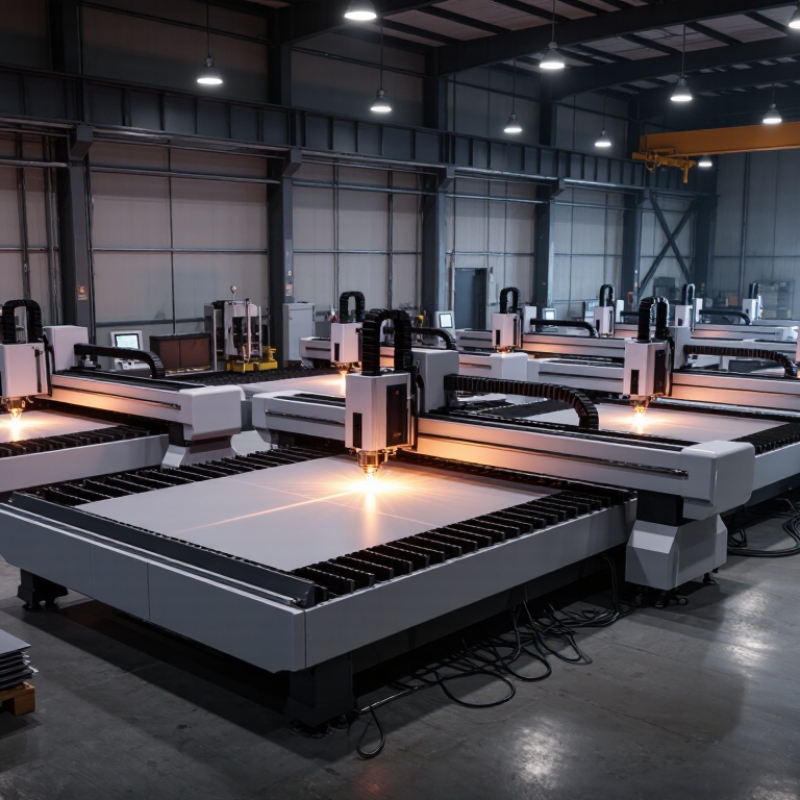
How Steel Laser Cutting Machines Process Metal
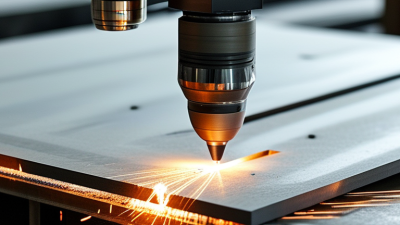
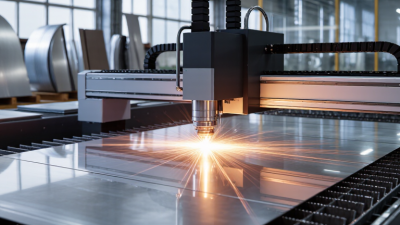
A steel laser cutting machine turns a digital drawing into a controlled path across a metal sheet. Software converts the design into cutting instructions, while clamps or a support bed hold the sheet steady. A focused beam heats a small area until the steel melts or vaporizes. Assist gas then pushes molten material through the cut.
The cutting head moves along programmed lines, maintaining a set distance from the surface. For mild steel, oxygen can support the cutting reaction; nitrogen is often used when a cleaner edge is needed. Results depend on steel grade, thickness, focus, speed, and gas pressure. A small change in these settings can leave rough edges or excess slag. It is tempting to blame the machine, but material condition and setup matter too.
Tips: Check the nozzle for spatter, confirm the sheet lies flat, and test settings on a scrap piece. Watch the first cut closely. Even a reliable setup may need adjustment when the steel’s thickness or surface changes.
A brand-free overview of ten stages and technical considerations in steel laser cutting. Results and suitable settings vary with the machine, material grade, thickness, and application.
| Stage or consideration | How it works | Steel-cutting details |
|---|---|---|
| 1. Design and toolpath preparation | A CAD design is converted into machine instructions that define the cutting path, lead-ins, and sequence. | Nesting parts on a sheet can reduce unused material; kerf width must be considered when setting dimensions. |
| 2. Sheet loading and positioning | The steel sheet is placed on the cutting bed and aligned within the machine’s working area. | Flatness, secure support, and correct sheet orientation help maintain consistent cutting clearance. |
| 3. Material identification | The operator selects process settings for the steel type and thickness. | Carbon steel and stainless steel can require different assist gases and settings; coatings and surface condition also matter. |
| 4. Laser generation and beam delivery | The laser source generates a concentrated beam, which optics and the cutting head direct onto the workpiece. | Fiber lasers are widely used for industrial metal cutting. The appropriate source and power depend on the required material and production task. |
| 5. Focus and cutting-head setup | The cutting head focuses the beam to a small spot and maintains the required position above the sheet. | Focus position and nozzle condition affect cut quality. Setup values are process-specific rather than universal. |
| 6. Piercing | Before following a contour, the laser creates an entry point through the steel. | Piercing methods and duration vary with thickness and material. Correct sequencing can help limit spatter and protect the nozzle. |
| 7. Assist-gas selection | Gas delivered through the nozzle helps remove molten material from the cut and influences the cut edge. | Oxygen is commonly used for cutting carbon steel, while nitrogen is often used for stainless steel when limiting oxidation is important. The choice depends on the required finish and process. |
| 8. Contour cutting | The machine moves the cutting head along programmed paths while the beam melts or vaporizes material locally. | Cutting speed, laser power, gas pressure, and material thickness interact; changing one may affect edge quality and production time. |
| 9. Part separation and edge inspection | Finished parts are removed and checked for dimensional accuracy, burrs, and edge condition. | Dross, kerf, heat effects, and dimensional tolerance depend on the material, machine condition, and selected process parameters. |
| 10. Safety and maintenance | Operators use appropriate safeguards and keep the machine, extraction system, optics, and cutting head in serviceable condition. | Laser enclosures, interlocks, ventilation, and procedures should follow the machine documentation and applicable workplace safety requirements. |
Have a questions or want to know more about our company? We'll be expecting you.
