By using this site you agree to the use of cookies by the company in accordance with the Privacy Policy
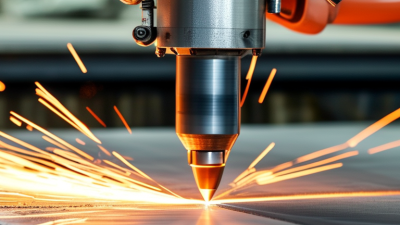
Choosing a CNC metal laser cutting machine is less about chasing the highest wattage and more about matching the machine to real production needs. The right choice depends on material, sheet thickness, part size, daily workload, and available floor space. A machine cutting thin stainless steel all day has different demands from one handling occasional thick carbon-steel plates. That matters.
This guide compares ten machines through practical criteria: laser power, working area, cutting capability, control software, automation, service access, and operating costs. Look beyond the headline specifications. A larger bed may suit full-sheet work, while a compact design can be easier to install in a crowded shop. Assist-gas setup, nozzle changes, and loading time also affect everyday output. Small details count.
The models discussed represent different budgets and production goals, not a universal ranking for every buyer. Specifications can vary by configuration and region, so confirm current details with the manufacturer before making a purchase. A ranking can look precise while hiding trade-offs; cutting speed, for example, means little without material thickness and edge-quality requirements. There is no perfect list. Use these comparisons as a starting point, then assess sample cuts, warranty terms, training, and local technical support. The most suitable machine is the one your team can operate reliably and maintain over time—not simply the one with the most impressive brochure.
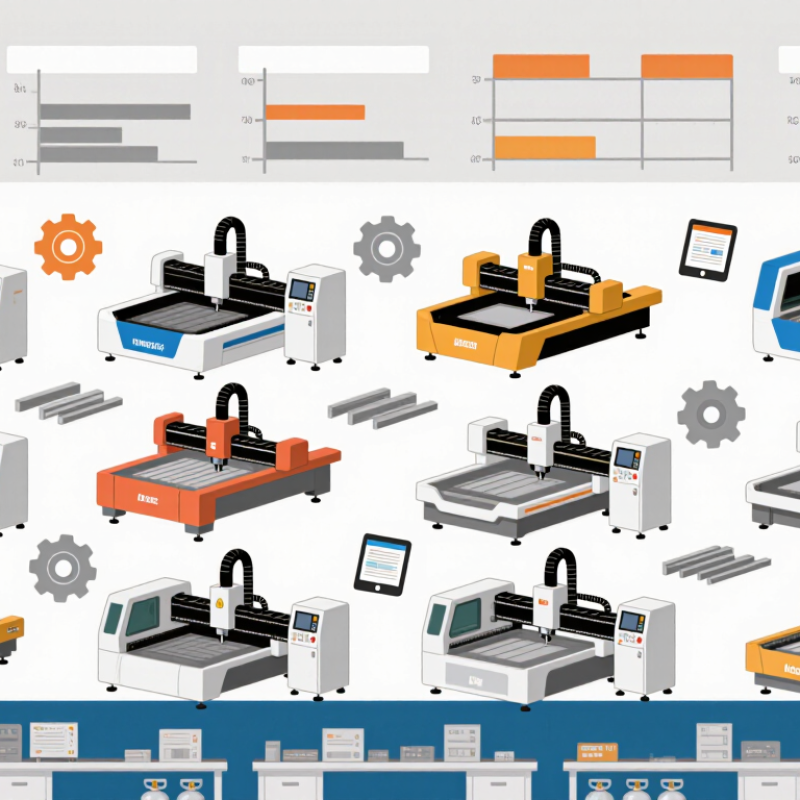
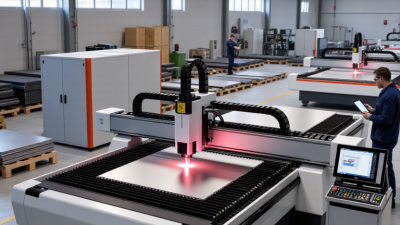
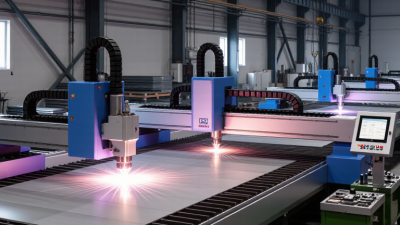
A CNC metal laser cutting machine uses a focused beam of light to melt or vaporize material along programmed paths. CNC means computer numerical control: software guides the cutting head across the sheet with coordinated movements. The operator prepares a digital drawing, sets material and thickness parameters, then checks the cutting path before production. The beam is focused through a lens onto a small area of metal. Assist gas, often compressed air, nitrogen, or oxygen, helps clear molten material from the cut. Small details matter. A slightly incorrect focus or worn nozzle can leave rough edges and extra dross.
Many machines use fiber laser sources, though laser type and power vary by application. Sensors and motion controls help maintain a consistent distance between the cutting head and the sheet. The machine’s settings must match the metal, its thickness, and the desired edge quality; a recipe that works on thin stainless steel may not suit thick carbon steel. That part is less automatic than it looks. Operators often inspect test cuts, adjust speed or gas pressure, and watch for heat marks or incomplete cuts. Even well-maintained equipment can produce imperfect results when material is warped or settings are poorly matched. Safe operation also depends on enclosed cutting areas, extraction systems, and trained handling of hot, sharp parts.
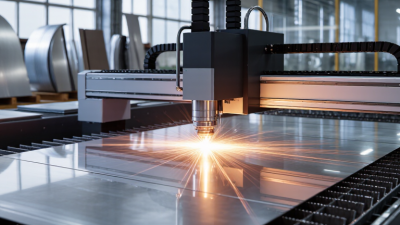
Evaluating the top ten CNC metal laser cutting machines starts with the work they must perform. Match laser power, bed size, and motion range to your common materials and sheet dimensions. A machine that cuts thin stainless steel quickly may struggle with thicker plate or leave rough edges. Ask for sample cuts using your own material, then inspect the kerf, edge dross, and corner detail. Numbers need context.
Check stated accuracy alongside repeatability, since a machine must hold dimensions across a full production run. Review how easily operators can set cutting parameters, import files, and monitor jobs. A clear interface matters when a shift is busy. Also assess extraction, enclosure design, and access to routine maintenance points. These details affect daily operation, not just the brochure.
Compare the total ownership cost, including power use, assist gas, consumables, installation, and expected service needs. Ask how quickly common wear parts can be replaced and what training is included. A low purchase price can hide inconvenient downtime. On the other hand, a premium feature may go unused in a small workshop. I would still weigh ease of service heavily; it is easy to overlook until the first rough cut interrupts a deadline.
Key Criteria for Evaluating the Top 10 Machines
The chart shows an example 100-point evaluation framework, not test results or a ranking of specific machines. Cutting capacity, accuracy, and productivity receive the greatest weight; adjust the criteria to match your materials, production volume, and budget.
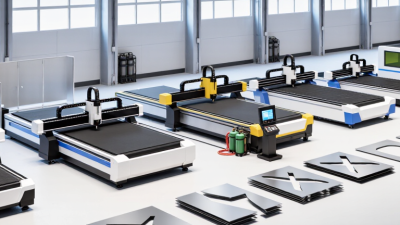
The top 10 CNC metal laser cutting machines are best viewed as machine types, not a universal ranking. Compact enclosed fiber systems suit thin sheet and limited floor space. High-power flatbeds handle thicker plate; exchange-table models reduce loading pauses. Tube cutters process round, square, and rectangular profiles. Combined sheet-and-tube systems save space, though setup can be less straightforward. Five-axis bevel cutters prepare angled edges for welding. Precision thin-sheet machines focus on small features, while large-format beds accommodate oversized panels. Robotic 3D systems cut formed parts. Automated cells add loading and unloading. A tenth option is a flexible production line linking cutting, sorting, and storage. Fit matters.
The choice should match material, thickness, part size, daily volume, and available operators. A fast machine can still lose time on frequent changeovers. Check cut quality on your own sample parts, including edge dross and heat marks. Small details count. Grand View Research estimated the global laser cutting machine market at about US$5.3 billion in 2023, reflecting broad industrial demand. The International Federation of Robotics reported 4,281,585 industrial robots operating worldwide in 2023, up 10% year over year; this points to growing automation, but does not prove every shop needs a robotic cell. Treat those figures as context, not a buying forecast. A practical shortlist starts with two or three configurations and a timed production trial. Even then, estimates can be wrong.
Comparing the top ten CNC metal laser cutters means looking beyond headline wattage. A 3 kW system can handle thinner sheet efficiently, while higher-power models cut thicker plate faster, if the material, gas, and nozzle settings match. A large worktable may accept a 3-by-1.5-metre sheet, but that capacity is wasted when parts are small and loading remains manual. Check the rated thickness for each metal, not just the maximum figure. Real cutting speed changes with alloy, edge-quality targets, and setup. It is easy to overlook that.
Automation separates capable machines from productive cells. Look for automatic sheet loading, nozzle changes, part sorting, and sensors that detect cutting faults. These options reduce handling, but they add cost and can complicate maintenance. The International Federation of Robotics’ World Robotics 2024 report counted about 4.28 million industrial robots operating worldwide in 2023, up 10 percent from 2022. That growth signals broad adoption, not a guarantee that a robotic laser cell suits every shop. A useful comparison records power, usable bed size, tested thickness, changeover time, and operator hours per shift. Recheck the figures on your own materials. Small details matter: a scratched sheet or delayed gas change can erase the speed advantage of a more powerful machine.
Choosing among the top ten CNC metal laser cutting machines starts with the parts you actually make, not the highest power rating. Record material types, thickness range, daily sheet volume, and smallest feature size. A shop cutting 1 mm stainless panels needs different capacity from one processing 12 mm carbon steel. Check rated thickness against your regular workload, not a one-off demonstration. Leave some headroom, but avoid paying for capacity that sits idle.
Then evaluate the whole production cell. Confirm the bed fits your common sheet sizes, and ask how long setup, nozzle changes, and loading take. Cut a sample using your own material; inspect edge dross, kerf width, and heat discoloration at normal settings. A clean showroom sample proves little. Ask about extraction, chiller needs, guarding, training, consumables, and service response. Calculate cost per usable part, including scrap and downtime, rather than comparing purchase prices alone. A spreadsheet can help. It can also hide shaky assumptions, so verify cycle times on the shop floor. Choose a machine your operators can run consistently and maintain safely across real shifts.
| Rank | Machine Configuration | Typical Laser Source and Power | Typical Working Area or Capacity | Representative Mild-Steel Cutting Range | Best Suited Production Needs | Key Selection Consideration |
|---|---|---|---|---|---|---|
| 1 | Enclosed flat-sheet fiber laser cutter | Fiber; 3–6 kW | About 3,000 × 1,500 mm | Approximately 1–20 mm, depending on power, gas, and process settings | General fabrication, electrical enclosures, and mixed-gauge sheet production | A practical balance of footprint, cutting speed, material range, and operator protection |
| 2 | High-power flat-sheet fiber laser cutter | Fiber; 12–30 kW | About 3,000 × 1,500 mm to 6,000 × 2,500 mm | Can process thick plate; maximum capacity varies substantially by machine and cutting conditions | Heavy fabrication, thick plate work, and high-throughput production | Check the supplier’s rated cutting charts, electrical requirements, extraction system, and gas consumption |
| 3 | Large-format flat-sheet fiber laser cutter | Fiber; 6–20 kW | About 6,000 × 2,000 mm to 12,000 × 2,500 mm | Determined by laser power and the machine’s cutting head and support system | Large panels, structural components, and fewer sheet repositioning operations | Confirm floor space, loading method, sheet support, and material-handling capacity |
| 4 | Dual-table fiber laser cutter | Fiber; 3–12 kW | Commonly about 3,000 × 1,500 mm per cutting area | Depends on laser power and the specified material and gas | High-volume sheet work where loading and unloading time affects throughput | Compare table-change time and safety features; a dual table does not double cutting speed |
| 5 | Tube and pipe fiber laser cutter | Fiber; 1.5–6 kW | Round, square, and rectangular profiles; chuck capacity is model-specific | Capacity depends on tube wall thickness, profile geometry, and laser power | Frames, furniture components, handrails, and precision tube fabrication | Match chuck capacity, maximum tube length, remnant length, and automatic loading options to the job mix |
| 6 | Sheet-and-tube combination fiber laser cutter | Fiber; typically 3–6 kW | Sheet bed commonly about 3,000 × 1,500 mm; tube capacity varies | Depends on power and whether the material is sheet, plate, or tube | Shops processing both flat stock and profiles with limited floor space | Evaluate changeover time and whether sheet and tube operations can meet the required schedule |
| 7 | Compact fiber laser cutter | Fiber; 1–3 kW | Commonly about 1,500 × 1,000 mm to 3,000 × 1,500 mm | Generally suited to thin and medium-gauge sheet; exact limits are machine-specific | Small workshops, prototypes, and lower-volume sheet-metal production | Consider usable bed size, service access, extraction, and the thickness mix—not only the purchase price |
| 8 | High-precision fiber laser cutter | Fiber; typically 1–6 kW | Often a small-to-medium sheet bed, selected to match the part envelope | Usually optimized for thin or medium sheet and consistent feature quality | Electrical components, precision enclosures, and intricate flat parts | Review positioning specifications, repeatability, calibration, and sample-cut quality for the intended material |
| 9 | Bevel-cutting fiber laser system | Fiber; typically 6–20 kW | Usually a flat-sheet or plate bed; size varies by configuration | Depends on plate thickness, bevel angle, material, and cutting process | Weld-preparation parts and components requiring angled edges | Verify supported bevel angles, edge quality, programming workflow, and the effect on cycle time |
| 10 | Automated fiber laser cutting cell | Fiber; typically 3–20 kW | Sheet size and storage capacity depend on the automation layout | Set by the laser source and cutting configuration | Long shifts, repeat production, and operations seeking reduced manual material handling | Assess loading, unloading, storage, software integration, guarding, and the overall production bottleneck |
| Data note: These are general machine configurations, not specific product models or guaranteed performance ratings. Cutting ranges are indicative for mild steel and vary with laser power, material grade, thickness, assist gas, nozzle, optics, and machine setup. Obtain the machine builder’s current specifications and validate them with sample cuts using your production materials. | ||||||
By using this site you agree to the use of cookies by the company in accordance with the Privacy Policy
Have a questions or want to know more about our company? We'll be expecting you.